

Have you ever stood up from a chair and heard a loud pop from your knee? Or noticed a consistent clicking sound when you straighten your leg? If there's no pain involved, these sounds can feel surprising, even alarming. But knee clicking without pain is one of the most common joint experiences people report, and it's usually nothing to worry about.
The knee is one of the most complex joints in the body. It involves multiple bones, layers of cartilage, fluid-filled capsules, tendons, and ligaments, all working together during every step, bend, and twist. With so many moving parts, it's completely natural for the joint to produce sounds from time to time.
This guide explores the science behind knee clicking no pain experiences, explains when these sounds are perfectly normal, and helps you understand what daily habits support quiet, comfortable knee movement over time.
Why Knees Sometimes Make Clicking or Popping Sounds
To understand why your knee popping without pain happens, it helps to know what's going on inside the joint during movement. Several completely normal mechanisms can produce audible sounds:
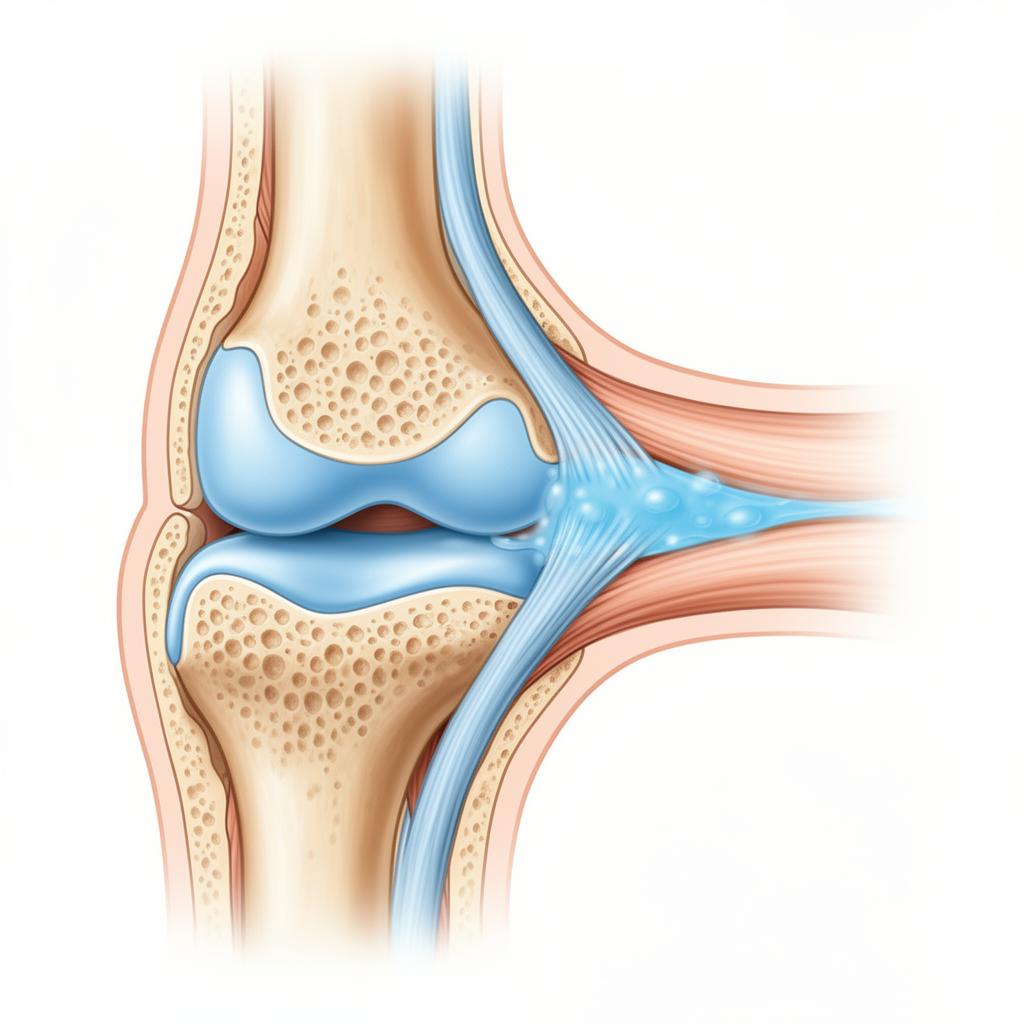
Movement of Tendons or Ligaments
The knee is surrounded by tendons and ligaments that connect muscles to bones and bones to each other. During movement, these soft tissues can shift slightly over bony surfaces. When a tendon slides over a bump or ridge on the bone, it can produce a snapping or clicking sound. This is one of the most common explanations for clicking knee sound without pain.

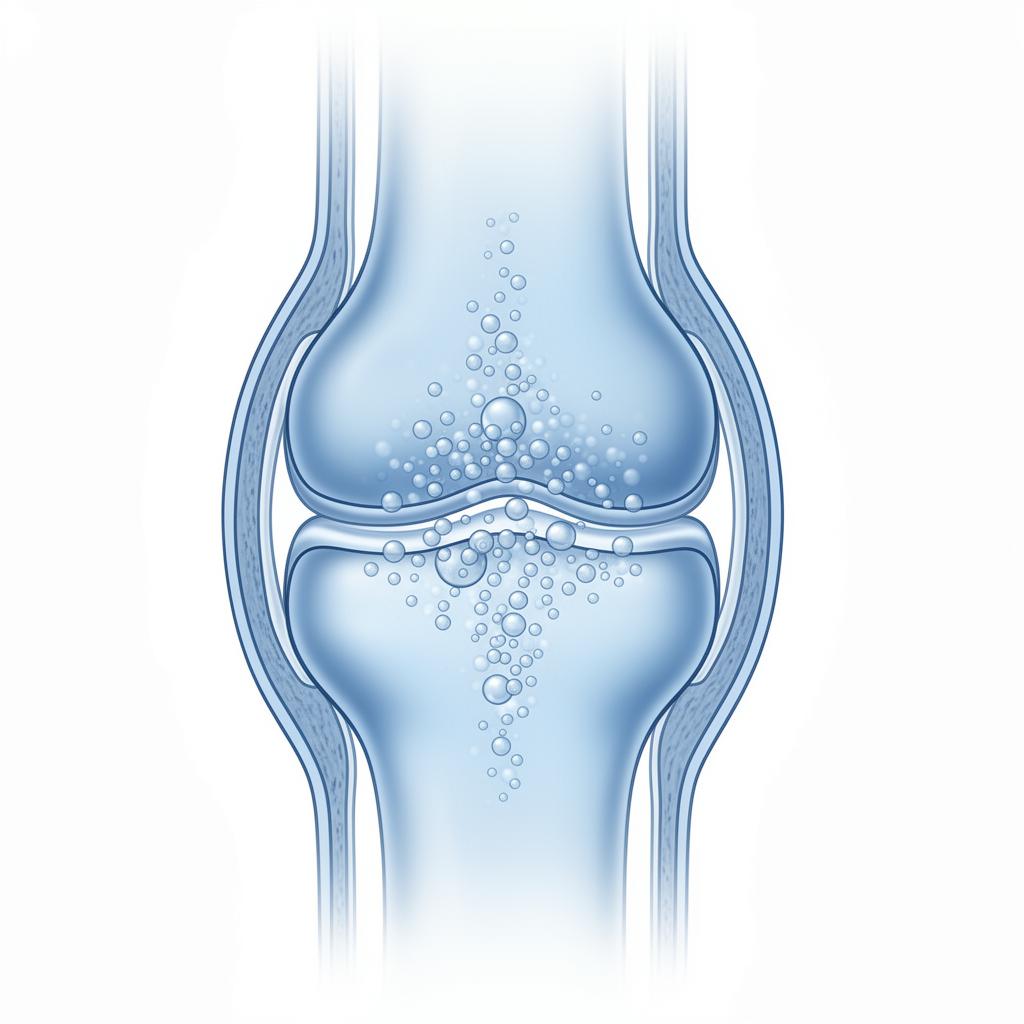
Joint Fluid Gas Release
Your knee joint is filled with synovial fluid, a natural lubricant that reduces friction during movement. This fluid contains dissolved gases like nitrogen and carbon dioxide. When pressure inside the joint changes, such as when you bend or straighten your leg, these gases can form tiny bubbles that quickly collapse. This process, known as cavitation, produces the familiar pop or crack sound.
Natural Joint Mechanics
The kneecap (patella) sits within a groove on the thigh bone and moves up and down as the leg bends and straightens. Sometimes, slight variations in how the kneecap tracks along this groove can produce a clicking or grinding sensation. This is a normal part of knee joint movement sound and doesn't necessarily indicate anything wrong.
Normal Crepitus
Knee crepitus is the medical term for the crackling, grinding, or popping sensations that come from the knee during movement. While the word can sound intimidating, crepitus without pain is generally considered a normal finding. Many people have some degree of crepitus in their knees throughout their lives without ever developing problems.
Common Situations Where Painless Knee Clicking Occurs
If you've noticed your knee cracking sound without pain in certain situations, you're experiencing something that millions of people encounter daily. Here are the most common scenarios:
- Standing up from a chair: After sitting for a while, the first movement often produces a pop as the joint readjusts and gas is released from the synovial fluid.
- Straightening the leg: Extending the knee from a bent position moves the kneecap along its groove, sometimes producing a click as it shifts.
- Light movement after rest: The first few steps after waking up or sitting for a long time may be accompanied by clicking as joint fluid redistributes.
- Stretching: Deep stretches that take the knee through its full range of motion can increase pressure changes inside the joint, leading to popping sounds.
These situations are all related to natural changes in joint pressure, tendon position, and fluid dynamics. If you experience knee clicking no pain in these moments, it's typically a sign that your joint is functioning normally.
Why the Knee Joint Naturally Produces Sounds
Understanding why does my knee click but not hurt becomes easier when you look at the joint's design. The knee is engineered for movement, and sound is a natural byproduct of that movement.
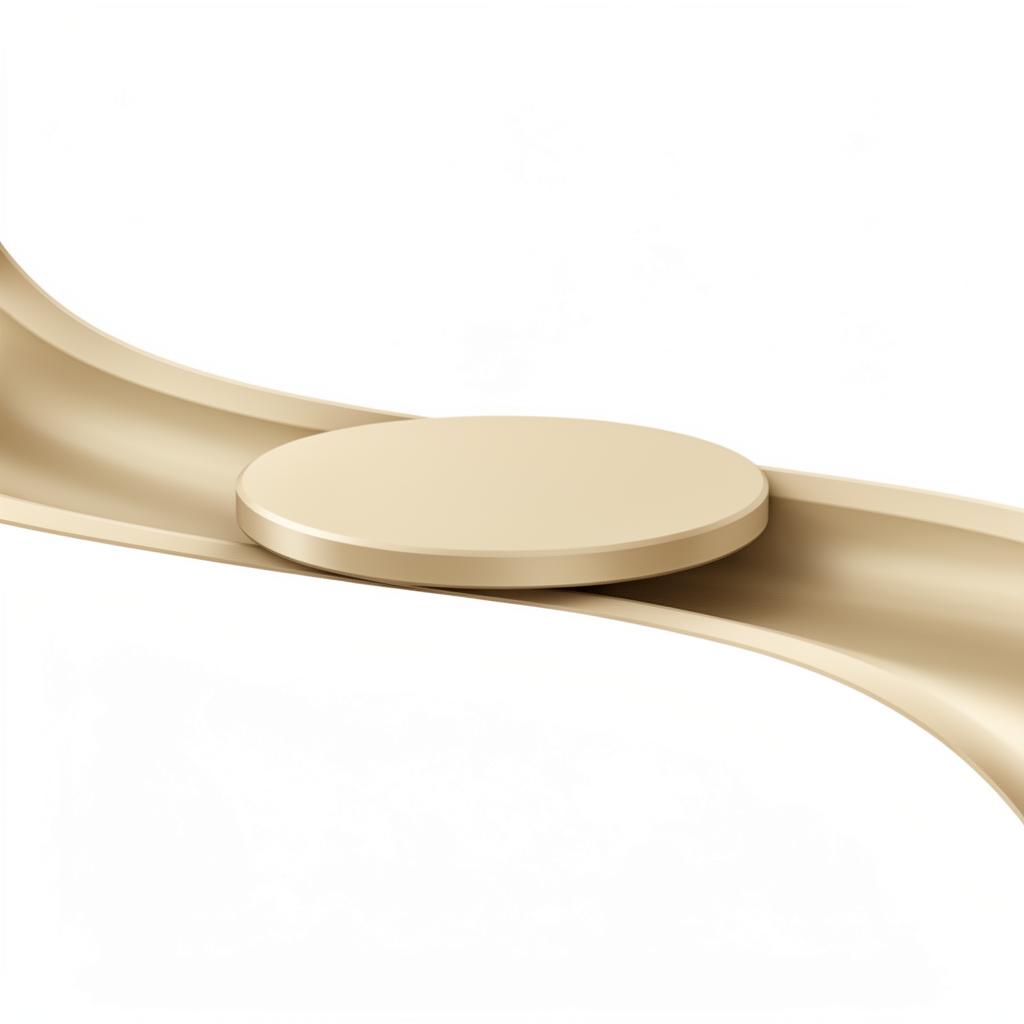
Joint Lubrication
Synovial fluid doesn't just reduce friction. It also contains gases that naturally expand and contract as pressure changes within the joint capsule. When you move after a period of stillness, these pressure changes are more pronounced, which is why normal knee clicking tends to be more noticeable after sitting or sleeping.
Tendon Movement Over Bone
The tendons around the knee, particularly the quadriceps tendon above the kneecap and the patellar tendon below, must slide and adjust with every knee movement. As they glide over ridges and bumps on the bone surfaces, they can produce snapping or clicking sounds. This is entirely normal and happens in many joints throughout the body, not just the knee.
Pressure Changes Inside the Joint
Every time the knee bends, the volume inside the joint capsule changes slightly. This creates small pressure fluctuations that can cause dissolved gases to form bubbles (which then pop) or cause tissues to shift audibly. These knee movement sounds are a natural part of how joints work and are not a sign of damage on their own.
For more information about knee tightness without pain, including how stiffness relates to joint sounds, explore our related guide.
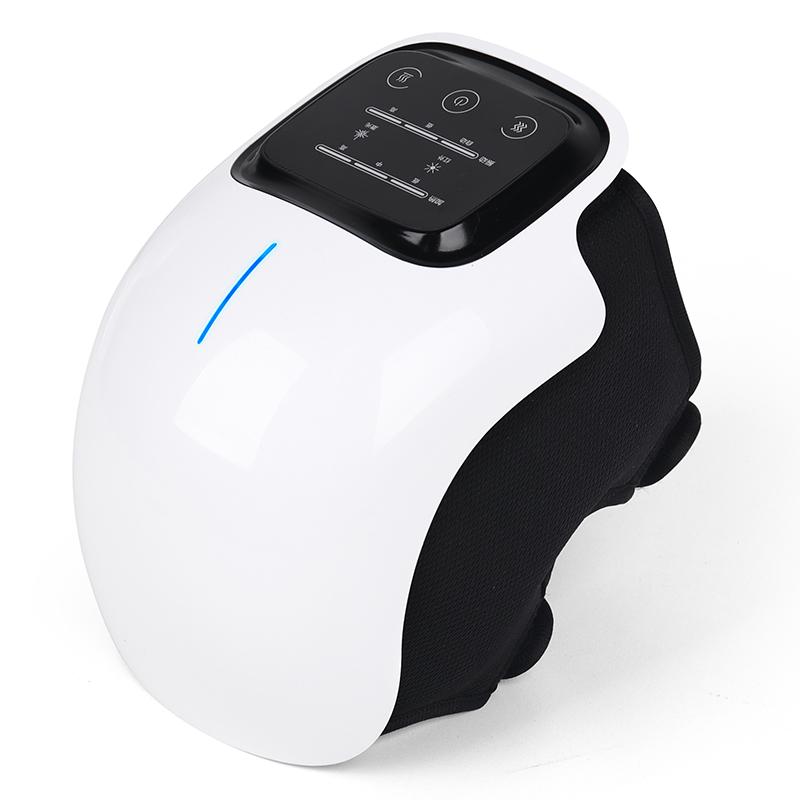
Support your knee joints with daily comfort
FlexiKnee provides soothing warmth, red light, and gentle vibration to help keep your knee joints comfortable, flexible, and supported through everyday movements.
View Full Product DetailsNormal Knee Clicking vs. Warning Signs
One of the most common questions people ask is how to tell the difference between harmless knee clicking without pain and sounds that might indicate a problem. Here's a simple framework:
Usually Normal
- Clicking or popping without any pain
- Sounds that occur occasionally and inconsistently
- Popping that happens once and doesn't repeat immediately
- Sounds that are louder after sitting for a long time
- Clicking that doesn't affect your ability to move normally
Worth Monitoring
- Clicking that becomes more frequent over time
- Sounds accompanied by a mild grinding sensation
- Popping that consistently occurs during specific movements
- Clicking with occasional mild stiffness
Should Be Evaluated
- Clicking accompanied by pain during or after movement
- Sounds with visible swelling around the joint
- A feeling of the joint catching, locking, or giving way
- Reduced range of motion alongside clicking
- Clicking after a specific injury or incident
If your knee sounds fall into the "usually normal" category, there's typically no cause for concern. If they're accompanied by any of the warning signs listed above, consider having them evaluated by a healthcare professional. For related information, see our guide on patellofemoral pain syndrome.
Activities That May Increase Knee Clicking
Certain activities and movement patterns tend to make knee popping without pain more noticeable. Understanding which activities are associated with increased clicking can help you feel more confident about what you're hearing:

Squatting
Deep squats take the knee through a large range of motion, increasing the kneecap's movement along its groove and creating significant pressure changes within the joint capsule. It's very common to hear clicking or popping during squats, even when the movement is completely comfortable. Learn more in our guide on knee discomfort when squatting.
Running
The repetitive nature of running means the tendons and ligaments around the knee are constantly adjusting position. Over the course of a run, these tissues may produce occasional clicking sounds, especially as they fatigue slightly. This is usually harmless and tends to decrease as the muscles warm up.
Stretching
When you stretch the knee through its full range, especially first thing in the morning or after prolonged sitting, the pressure changes and tendon adjustments can produce prominent popping sounds. Many people notice their loudest knee sounds during stretching routines.
Prolonged Sitting
After sitting for extended periods, the synovial fluid in the knee settles and gas accumulates. The first movement after a long period of inactivity often releases this built-up pressure, producing a satisfying pop or crack. This is one of the most universally reported forms of normal knee clicking.
If you're interested in understanding how knee sounds relate to stiffness, read our guide on knee stiffness after resting.
Daily Habits That Support Healthy Knee Movement
While painless knee clicking usually doesn't require intervention, maintaining good joint health through daily habits can support comfortable, smooth knee movement over time. Here are simple strategies that benefit everyone:
Maintaining Muscle Balance
The muscles around the knee, including the quadriceps, hamstrings, and calf muscles, work together to guide the joint through movement. When these muscles are balanced in strength and flexibility, the kneecap tracks more smoothly and tendons move more efficiently. Regular strengthening exercises can help reduce unnecessary friction and sound.
Improving Joint Mobility
Gentle daily stretching and mobility exercises help keep the joint moving through its full range of motion. This promotes healthy synovial fluid distribution, reduces the buildup of gas that causes popping, and keeps the surrounding soft tissues supple. Even five minutes of daily mobility work can make a noticeable difference.
Gradual Activity Progression
Sudden increases in activity level, such as starting a new exercise program or significantly increasing running distance, can temporarily increase knee clicking as tissues adapt to new demands. Progressing gradually (no more than a 10% increase per week) gives the joint time to adapt and helps minimize unnecessary sounds.
Staying Hydrated
Proper hydration supports the production and quality of synovial fluid, which is essential for smooth joint movement. When you're well-hydrated, the knee's natural lubrication system works more effectively, potentially reducing the frequency and volume of clicking sounds.
Avoiding Prolonged Static Positions
If you sit or stand for long periods, taking brief movement breaks every 30 to 45 minutes helps keep joint fluid circulating and prevents the gas buildup that leads to loud pops when you finally move. Simple actions like standing up, walking a few steps, or doing gentle knee bends can make a difference.
For a comprehensive approach to knee comfort, explore our guide on knee tightness without pain. If your knee clicking is most noticeable during walking, our detailed guide on knee clicking when walking covers every movement scenario in depth. Those interested in at-home warmth therapy to support joint lubrication may find our infrared knee massager guide helpful.
When Knee Sounds Should Be Evaluated
While this guide focuses on knee clicking without pain, which is usually harmless, there are situations where knee sounds warrant professional evaluation. Understanding these warning signs can help you make informed decisions about when to seek guidance:
Persistent Swelling
If clicking is accompanied by swelling around the knee that doesn't resolve within a few days, this may indicate that the joint is producing excess fluid in response to irritation. Swelling combined with clicking deserves attention.
Pain During or After Movement
Clicking that was previously painless but starts to come with discomfort, even mild discomfort, is worth noting. Pain can indicate that the structures producing the sound are becoming irritated or that a new issue has developed. See our guide on knee discomfort when squatting for activity-specific information.
Joint Instability
If your knee feels like it might give way, catch, or lock during movement, this is a more significant concern than clicking alone. These sensations can suggest that internal structures of the knee, such as the meniscus or ligaments, may need evaluation.
Difficulty Bending or Straightening
Clicking combined with a reduced range of motion, such as difficulty fully bending or fully straightening the knee, may indicate a mechanical issue within the joint that a healthcare professional should assess.
Important: This guide is educational and does not replace professional medical advice. If you're concerned about your knee sounds, consulting a healthcare professional is always a good idea.
SEO Tags: knee clicking without pain, knee popping no pain, normal knee sounds, knee crepitus, knee clicking sound, joint gas release, painless knee popping, knee cracking normal, knee joint sounds, why knees click, knee movement sounds, healthy knee joints, joint popping sounds, knee comfort habits, daily knee mobility