Where the IT Band Runs
Location Overview
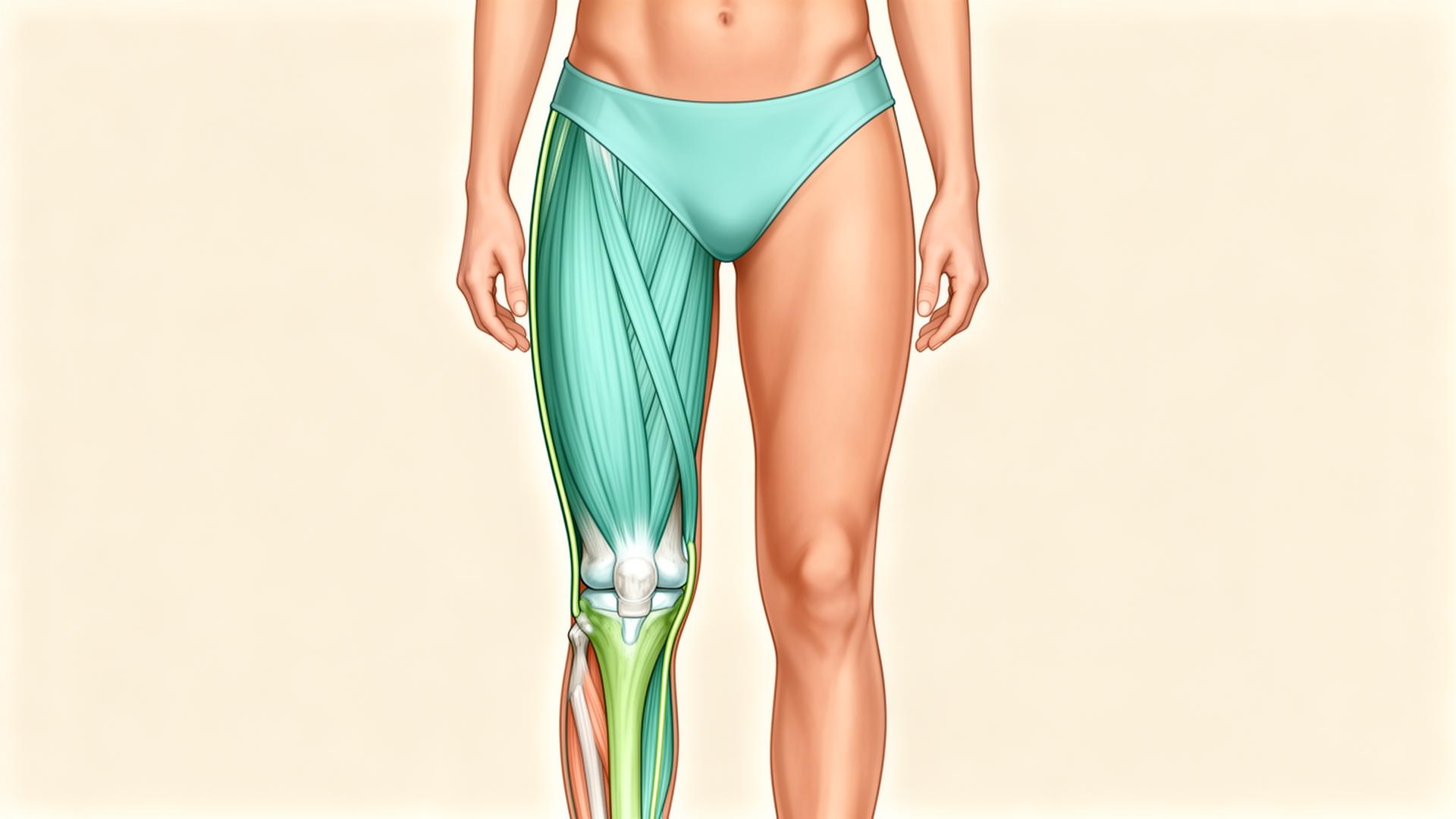
The iliotibial band (IT band) is a long, thick strip of connective tissue that runs along the outside of your thigh. It connects at the hip (near the tensor fasciae latae and glute muscles) and extends all the way down to the outer side of the knee, attaching just below the joint line.
- It spans the full length of the outer thigh
- It is connective tissue (fascia), not a muscle
- It helps stabilize the knee during walking, running, and bending
- Every stride causes the IT band to slide over the outer knee

Because this band crosses the knee joint on the outside, it is especially sensitive to repetitive motion. That's why runners and cyclists tend to notice sensations in this area more often than others. For a detailed breakdown of why this happens and common runner patterns, see our IT band syndrome guide. For a broader overview of running-related knee concerns, see our running knee guide.
IT Band Pain Location Diagram Explained
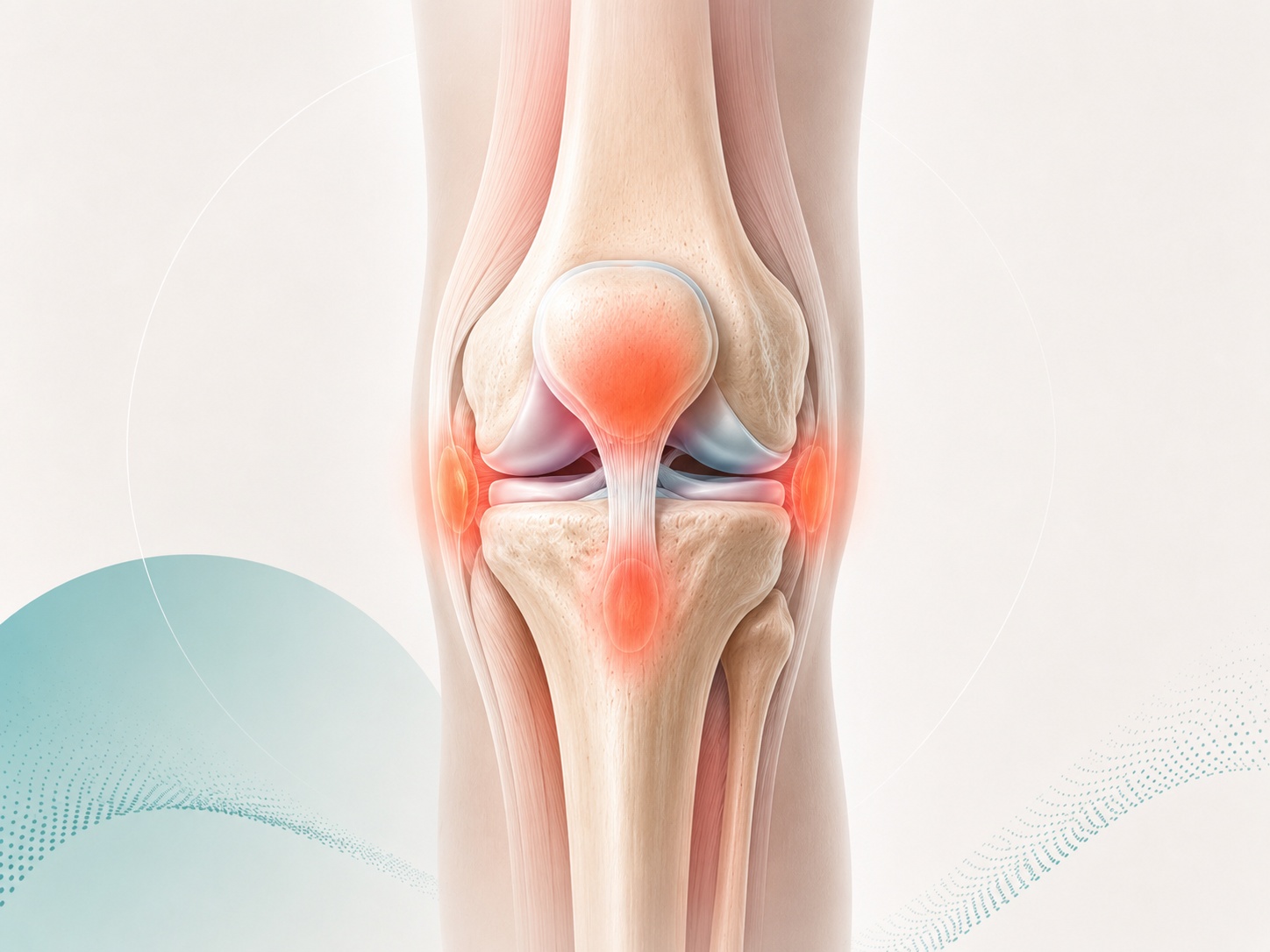
An it band pain location diagram is one of the most useful visual tools for understanding where iliotibial band discomfort typically appears. The pain pathway follows a consistent route: it begins at the hip, travels down the outer thigh, and concentrates at the outer knee where the band crosses the joint.
When people search for an iliotibial band syndrome outer knee pain diagram, they're usually trying to match their own sensations to a visual reference. The most commonly reported pattern starts with tightness or a dull ache along the outer thigh that gradually intensifies near the lateral knee, especially during repetitive activities like running, cycling, or stair climbing.
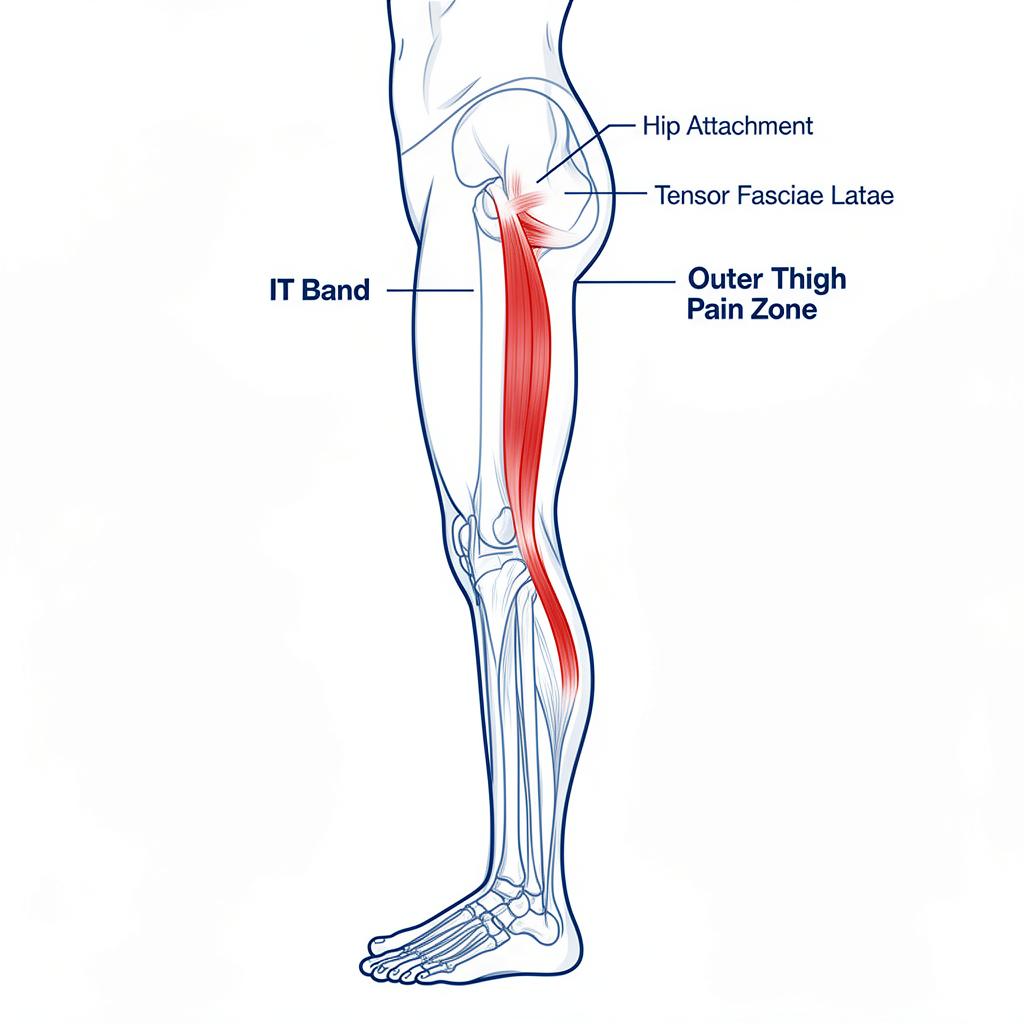
The diagram above illustrates why an it band syndrome outside knee pain diagram typically highlights two key areas: the outer thigh where the band runs its longest stretch, and the lateral knee where friction and tension concentrate. Understanding this visual pathway helps you recognize whether your own discomfort follows the typical IT band pattern or may have a different origin.
For those experiencing sensations specifically during running, the running knee comfort guide provides activity-specific context for these patterns.
Where People Commonly Feel IT Band Discomfort
What It Feels Like
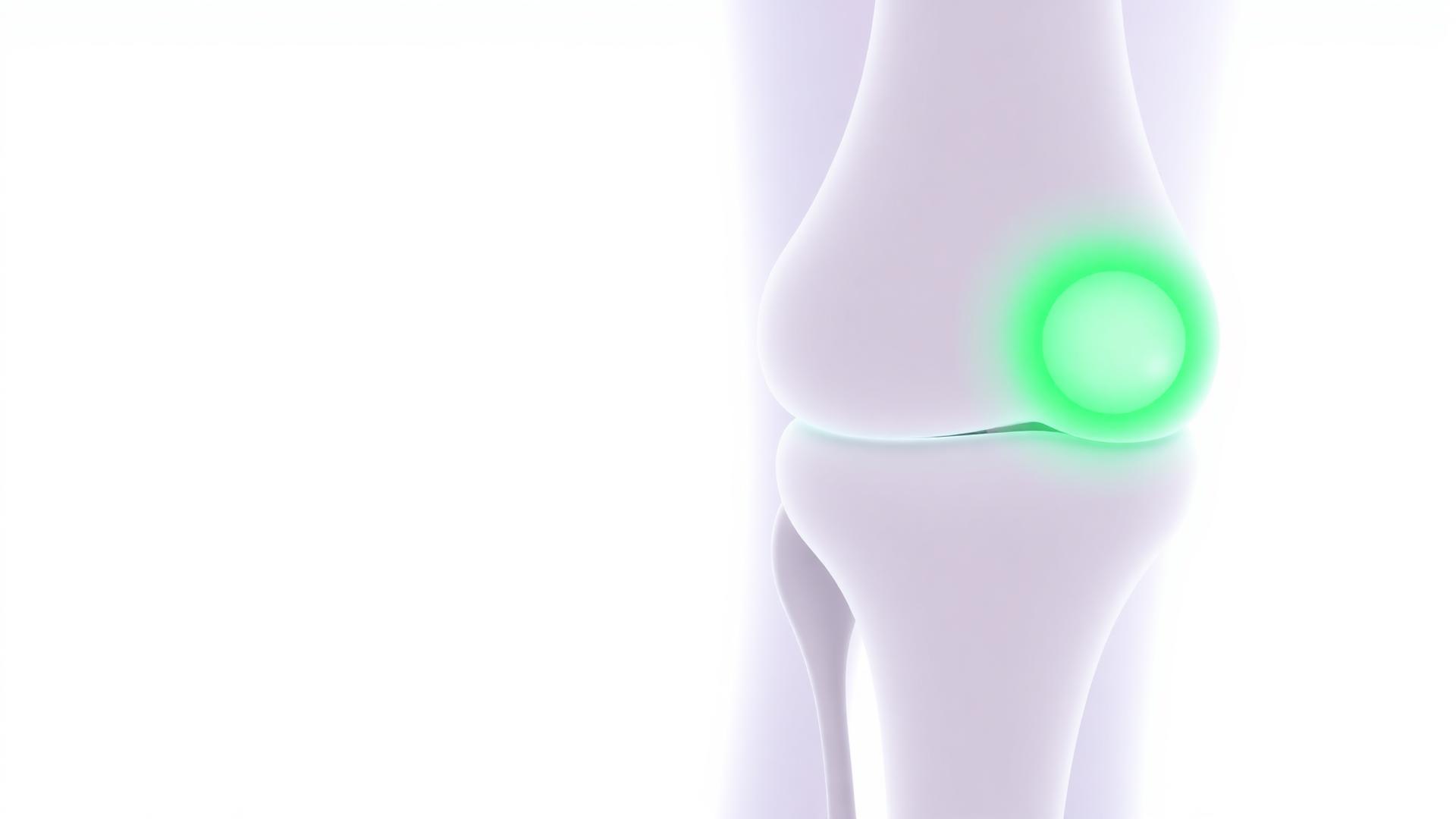
The outer knee is the most frequently reported area for IT band-related sensations. People commonly describe:
- A burning or warm feeling on the outer side of the knee
- A tightness that starts mild and builds during activity
- A pulling sensation that feels like it extends up the outer thigh
- Stiffness in the outer knee area after sitting for a long time
- A snapping or clicking feeling near the outer knee bone
When It Usually Shows Up
IT band discomfort tends to follow predictable activity patterns:
- Longer runs: Sensations often appear after a certain distance, which varies person to person
- Running downhill: The angle of descent increases stress on the outer knee
- Cambered roads or trails: Uneven surfaces create asymmetric pressure on each leg
- Sudden mileage increases: Adding distance too quickly without gradual build-up
- Prolonged sitting: Extended periods in a seated position can contribute to tightness
Outer Knee Pain from Iliotibial Band Syndrome
One of the most common questions about iliotibial band syndrome is why the discomfort concentrates on the lateral side of the knee rather than spreading evenly across the leg. The answer lies in the anatomy of the IT band itself and how it interacts with the knee joint during movement.
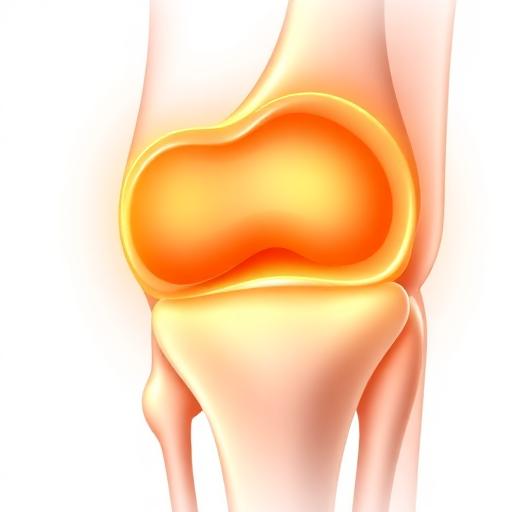
The IT band originates at the hip, where it connects to the tensor fasciae latae and gluteal muscles. From there, it runs as a thick band of fascia along the entire outer thigh before attaching to a bony prominence called the lateral femoral epicondyle, located just above the outer knee joint line. As shown in an iliotibial band syndrome lateral knee pain location diagram, this insertion point is where the majority of friction and tension accumulate.
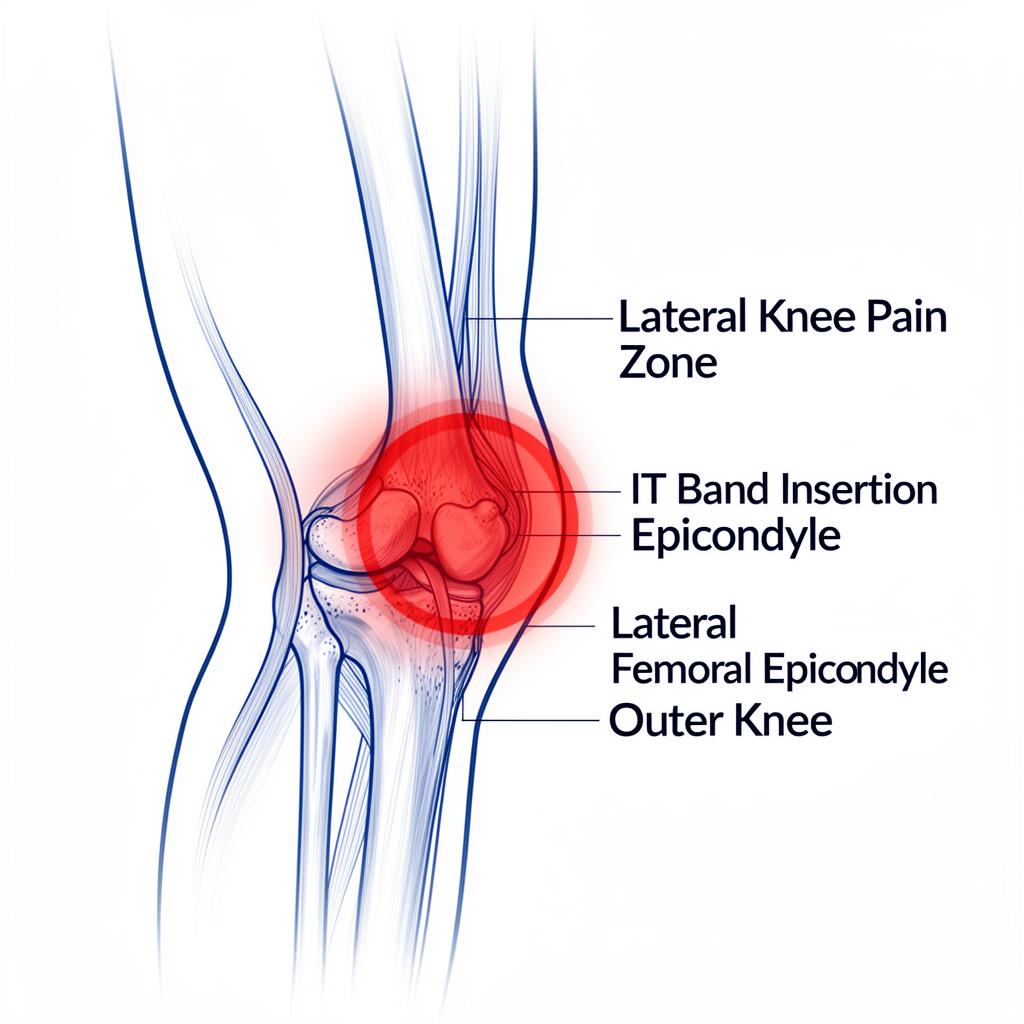
During activities like running, the knee bends and straightens repeatedly. Each time the knee reaches approximately 30 degrees of flexion, the IT band slides over the lateral femoral epicondyle. This repetitive sliding motion is what generates friction in the area, and over time, this friction can lead to the characteristic lateral knee discomfort associated with iliotibial band syndrome.
- The IT band slides over the outer knee bone with every stride
- Friction increases with higher activity volume or intensity
- Weak hip stabilizers can increase the tension placed on the IT band
- Tight surrounding muscles may limit the band's ability to glide smoothly
This is why an iliotibial band syndrome knee lateral pain diagram consistently highlights the outer knee as the primary discomfort zone, while also showing the connection up through the outer thigh to the hip. For comfort strategies targeting this area, see our side knee comfort guide.
How It Differs from Other Side Knee Sensations
Not all outer or side knee discomfort comes from the IT band. The diagram below shows three distinct zones on the outer leg, each associated with different types of sensations:
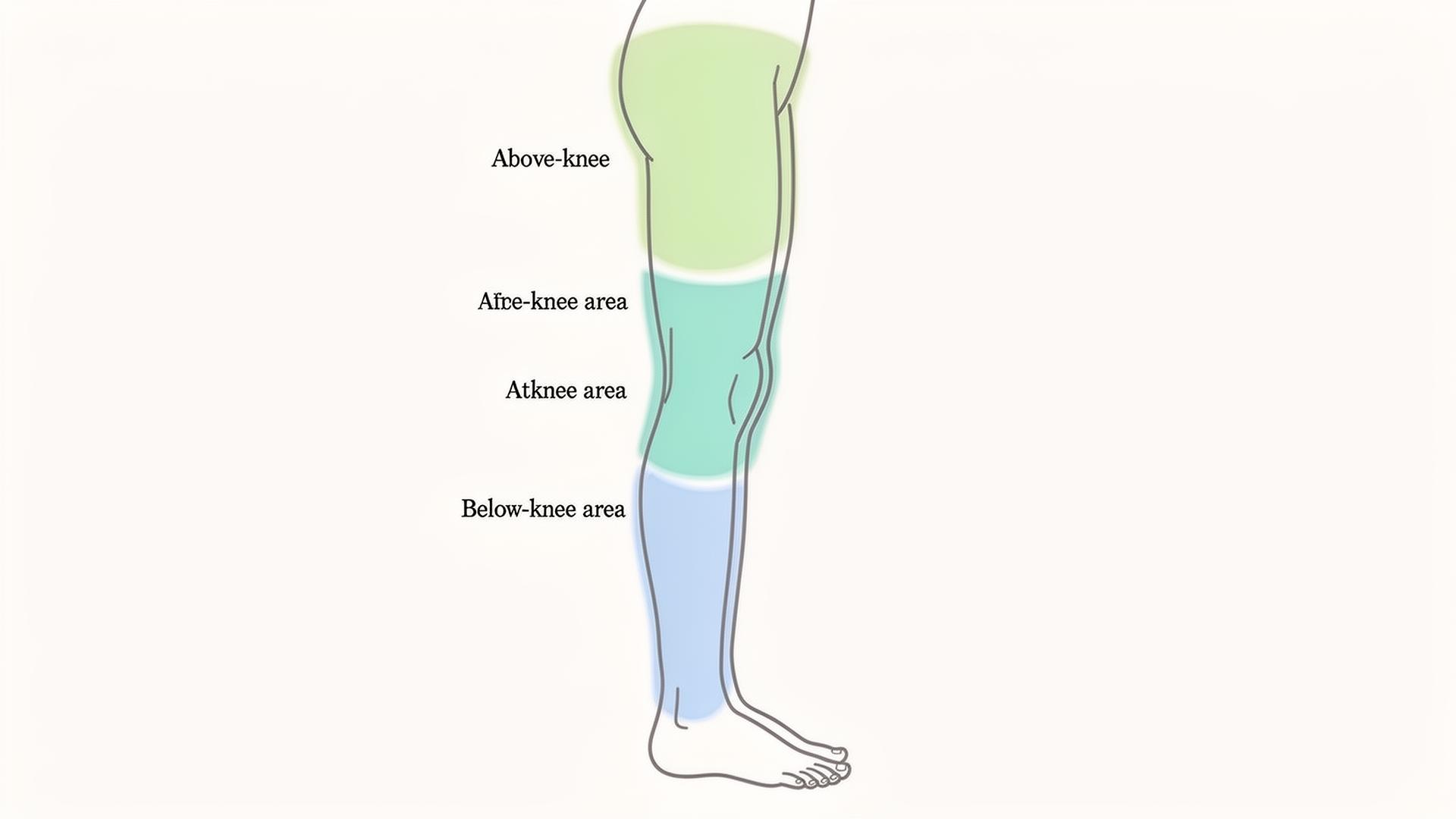
🟢 Above-Knee (Outer Thigh)
- Tightness along the outer thigh
- Often connected to hip weakness
- Responds well to foam rolling and hip strengthening
🔵 At-Knee (Lateral Knee)
- Burning or aching on the outer knee
- Most common IT band discomfort zone
- Builds during running, especially downhill
🟣 Below-Knee (Outer Shin)
- Less commonly IT band-related
- May involve lateral ligament or joint line
- Often has different triggers than IT band
Understanding which zone your discomfort falls into can help you adjust your daily habits more effectively. For a deeper comparison of inner vs outer knee sensations, see our side knee comfort guide. If your discomfort is specifically related to running patterns, our IT band syndrome guide provides a more detailed breakdown.
Where Runners and Active Individuals Feel IT Band Pain
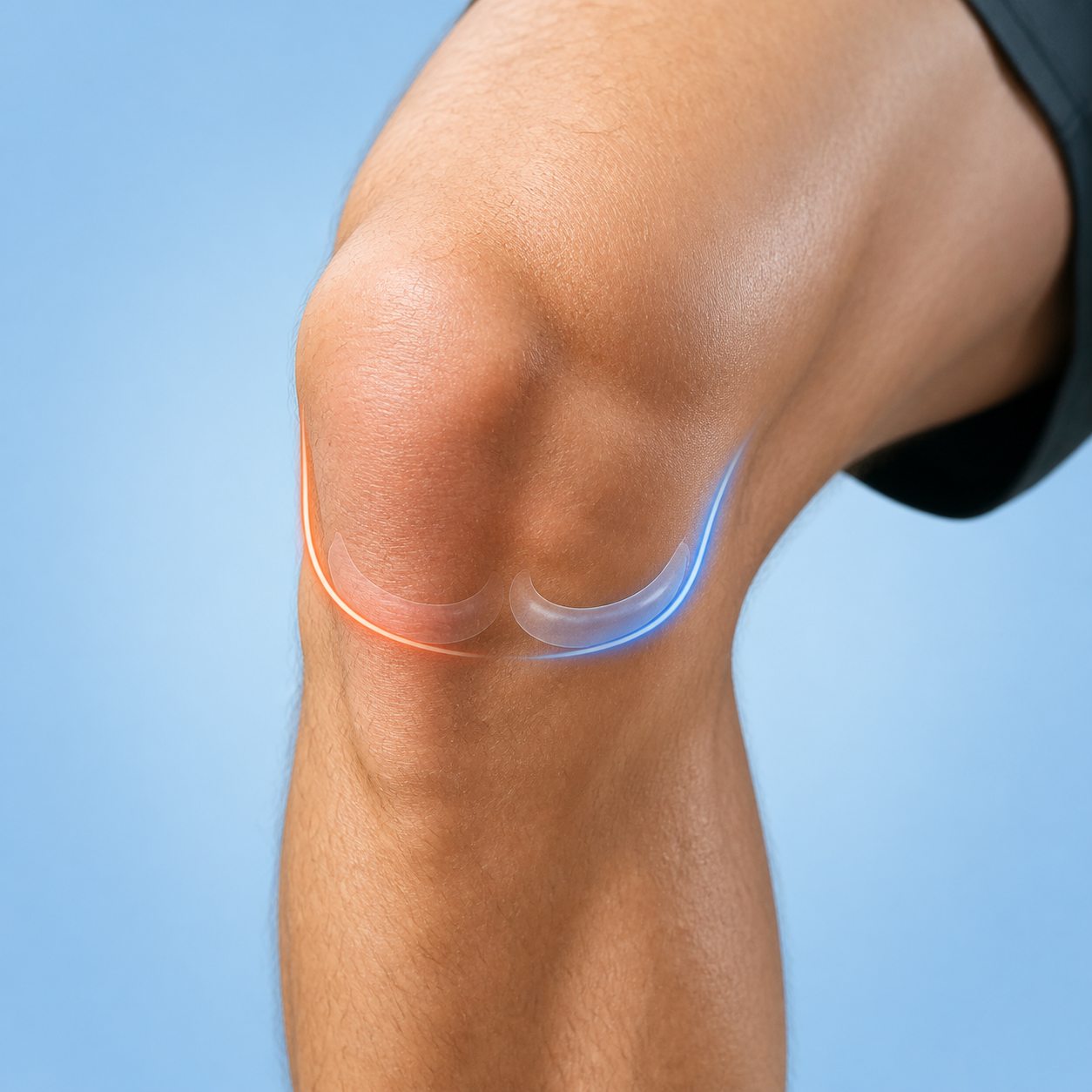
Runners searching for an it band syndrome outside knee pain diagram are usually looking for confirmation that their sensations match typical patterns. The diagram below shows the most commonly reported pain zone for runners and active individuals dealing with IT band discomfort.
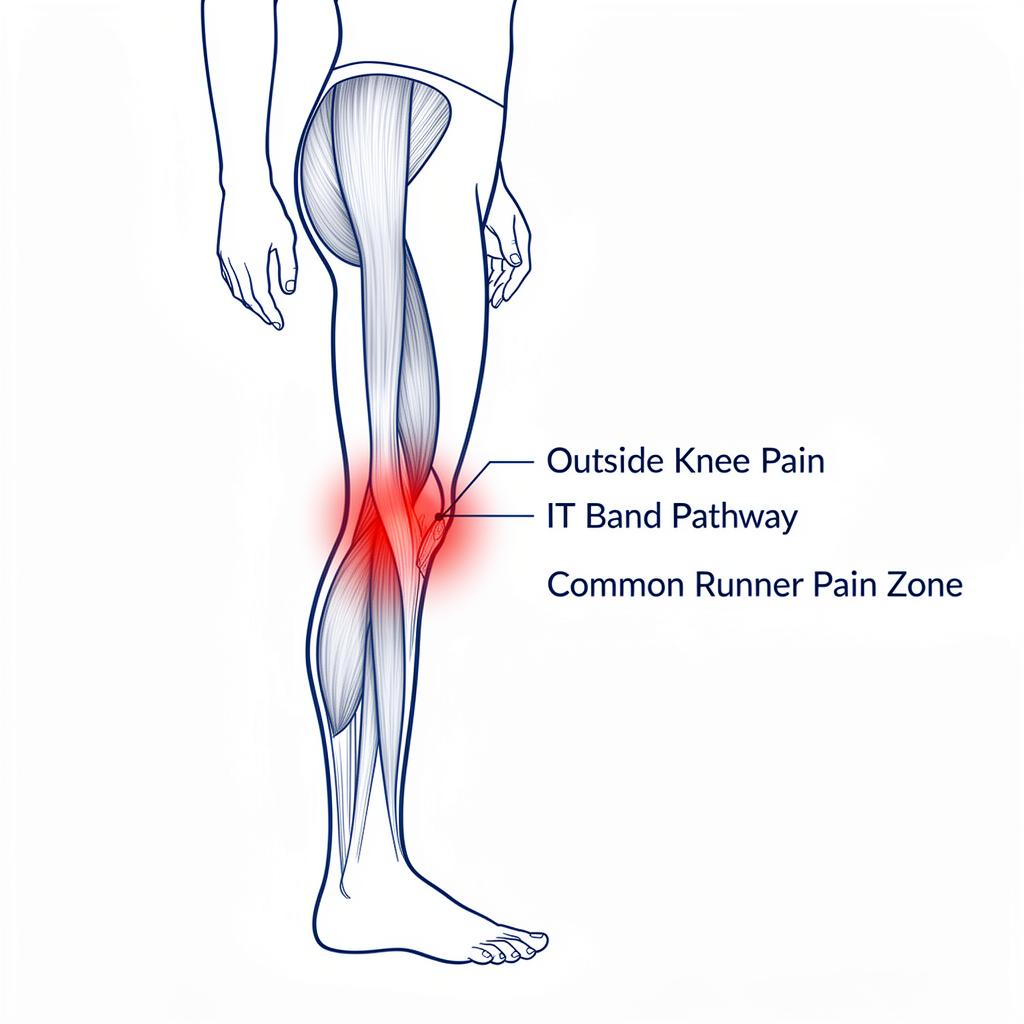
For most runners, the discomfort follows a recognizable progression. It may start as a subtle tightness along the outer thigh during the first few kilometers, then gradually intensify and concentrate at the lateral knee as the run continues. Many runners report that the discomfort appears at a consistent distance or time during their run, which can be a useful indicator when tracking patterns.
Active individuals who cycle, hike, or participate in sports involving repetitive knee bending also report similar lateral knee sensations. The key visual indicator, as shown in an it band pain outer thigh diagram, is that the discomfort follows the band's pathway rather than appearing in an isolated spot. For more on running-specific patterns, our running knee comfort guide covers this topic in detail.
Conclusion
Knowing where your discomfort shows up is one of the most helpful steps you can take. IT band sensations follow recognizable patterns: they build gradually, concentrate on the outer knee, and often connect to the outer thigh and hip area. By identifying the specific zone using an it band pain location diagram, you can make smarter adjustments to your running habits, daily routines, and comfort strategies.
Whether you're looking at an iliotibial band syndrome knee pain location diagram to understand your lateral knee discomfort or comparing outer thigh patterns, the visual approach helps connect what you feel to what's happening in your body. Consistent daily habits, including gentle stretching, hip strengthening, and warmth-based comfort support, tend to make the most noticeable difference over time.
This content is not medical advice. It is based on general research and common experiences people report. If your discomfort is severe or persistent, consider consulting a healthcare professional.
How IT Band Syndrome Fits the Location Pattern
IT band syndrome usually produces a focused ache or sharp sensation near the outer knee, often after a predictable amount of running, cycling, or downhill activity. Common contributors include rapid mileage increases, repeated downhill loading, limited recovery, and reduced hip control.
The location diagram is a starting point rather than a diagnosis. Pain directly on the joint line, locking, major swelling, or instability can point to a different problem and deserves an appropriate clinical assessment.
Frequently Asked Questions
Where exactly is IT band discomfort felt?
IT band discomfort is most commonly felt along the outer side of the knee, where the band inserts just below the joint. Some people also notice tightness along the outer thigh above the knee. An IT band pain location diagram typically highlights the lateral knee and outer thigh as the primary zones.
How can I tell if my outer knee discomfort is IT band-related?
IT band discomfort typically builds gradually during activity (especially running), focuses on the outer knee, and often connects to tightness along the outer thigh. Sudden or sharp sensations may have a different source.
Does IT band discomfort always mean a serious problem?
Not necessarily. Many people experience mild IT band tightness that responds well to daily habits like gentle stretching, warmth, and hip strengthening. Persistent or worsening discomfort may benefit from professional guidance.
What does an iliotibial band syndrome knee pain location diagram show?
An iliotibial band syndrome knee pain location diagram highlights the lateral (outer) side of the knee where the IT band crosses the joint. It shows the path from the hip down the outer thigh to the insertion point near the lateral femoral epicondyle.
Why do runners often look for IT band pain outer thigh diagrams?
Runners frequently experience tightness and discomfort along the outer thigh where the IT band runs. Visual diagrams help them identify whether their sensations match typical IT band patterns, especially the outer thigh to outer knee pathway.