A common story goes like this: a woman in her forties or early fifties has always been active, then over several months her knees begin to feel older than the rest of her. They ache after a normal day, feel stiff after sitting, recover more slowly from exercise, or wake her at night. At the same time, periods become irregular, sleep becomes fragile, hot flashes appear, and energy changes. The timing makes the hormone connection hard to ignore.
The timing may be meaningful. Joint and muscle pain are recognized symptoms of perimenopause and menopause, and research suggests musculoskeletal pain is common during the transition. But a simple statement such as “low estrogen causes knee pain” is too neat for a complicated joint. Hormones interact with the rest of the system. A knee that felt fine with eight hours of sleep, regular strength training, stable body weight, and predictable recovery may become symptomatic when several of those supports change at once.
This article focuses on that system. It does not assume every midlife knee symptom is hormonal, and it does not treat menopause as a disease. The goal is to help you recognize patterns, understand the evidence, and choose actions that improve function while important diagnoses are not missed.
What Menopause Means - and Why Perimenopause Matters
Menopause is confirmed after 12 consecutive months without a menstrual period when there is no other cause. The years leading up to that point are called perimenopause or the menopausal transition. During perimenopause, ovarian hormone production becomes less predictable. Estrogen does not simply fall in a straight line; it can fluctuate substantially before settling at lower postmenopausal levels. Progesterone patterns also change as ovulation becomes less regular.
Symptoms can begin years before the final period. Hot flashes, night sweats, disrupted sleep, mood changes, vaginal or urinary symptoms, headaches, changes in body composition, and aching joints may overlap. That is why someone can reasonably suspect a menopause connection even while still menstruating. It is also why one normal hormone blood test does not always settle the question in a person over 45 with a typical symptom pattern; levels can vary from day to day and clinical guidance often relies on the history.
Knee pain, however, still deserves its own assessment. Menopause can coexist with osteoarthritis, patellofemoral pain, meniscus degeneration, tendon problems, inflammatory arthritis, gout, or referred pain from the hip and back. A hormonal transition may change how strongly an underlying issue is felt without being the original source.
How Hormones Could Influence Knee Symptoms

Estrogen receptors are found in cartilage, bone, synovium, ligaments, tendons, and skeletal muscle. In laboratory and observational research, estrogen is involved in collagen turnover, bone remodeling, inflammatory signaling, muscle repair, and the nervous system’s response to pain. These mechanisms make a relationship plausible. Plausibility is not the same as proof that an estrogen decline directly damages a particular knee.
Human osteoarthritis is influenced by age, genetics, previous injury, joint shape, occupational and sporting load, metabolic health, muscle capacity, and body weight. Women have a higher burden of knee osteoarthritis after midlife, but menopause occurs at the same stage when many other risk factors are changing. Separating the effect of hormones from aging and lifestyle in long-term studies is difficult.
The most useful model is therefore indirect as well as direct. Hormone changes may alter joint biology, while menopause symptoms change sleep, activity, muscle, and pain sensitivity. Those pathways can converge on the same result: stairs feel harder, a long walk produces a flare, or stiffness takes longer to settle.
Sleep May Be the Missing Link
Night sweats and hot flashes can fragment sleep repeatedly even when you do not remember every awakening. Insomnia can also develop independently of hot flashes. Poor sleep reduces pain tolerance, worsens fatigue, changes mood, and makes exercise recovery less efficient. A knee that is structurally unchanged can feel more painful after several bad nights because the nervous system is less able to regulate incoming signals.
This creates a loop. Knee discomfort interrupts sleep; poor sleep amplifies pain the next day; fatigue reduces movement and strength training; reduced capacity makes normal activity more demanding. Treating only the knee can miss the most modifiable driver. If hot flashes or insomnia are prominent, discuss them as clinical problems rather than accepting them as a stage you must simply endure.
If knee symptoms specifically wake you during midlife, the guide to knee pain at night after 40 compares menopause context with osteoarthritis, daily load, sleep position, and warning signs.
A practical sleep plan includes a consistent wake time, a cool bedroom, reduced late alcohol, morning daylight, regular activity, and evidence-based insomnia care when needed. Menopausal hormone therapy or nonhormonal medicines may be appropriate for some women with significant vasomotor symptoms, but that decision should be made for the full symptom picture and personal risk profile-not prescribed as a knee treatment.
Muscle Loss and Load Capacity
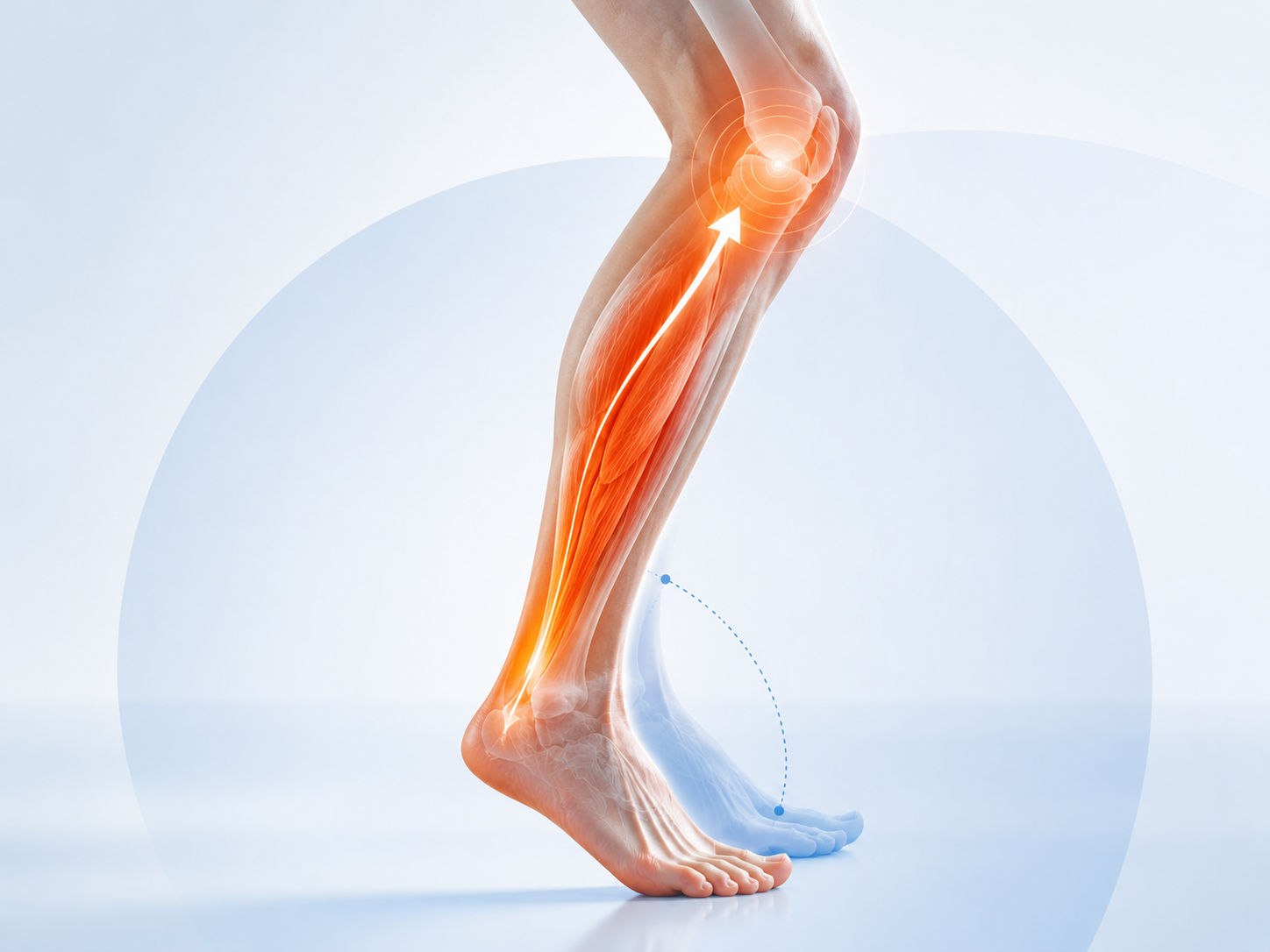
Muscle mass and power gradually decline with age, and the pace can become more noticeable around midlife. Menopause may contribute through hormonal effects, but reduced activity, inadequate protein, poor sleep, stress, and long periods of dieting also matter. The quadriceps and hip muscles help control the knee during walking, stairs, squatting, and getting up from a chair. When capacity falls, the same daily task represents a larger percentage of your maximum.
This helps explain why knees may begin to hurt even when activity has not increased. Ten flights of stairs were once routine; after a year of disrupted training and sleep, they become a high-load session. The answer is not permanent avoidance. It is progressive rebuilding. Strength training sends the body a clear signal to retain and develop muscle, improves confidence, and creates more options for movement.
Start with movements you can tolerate: sit-to-stand from a chair, a supported mini squat, step-ups to a low step, knee extension in a comfortable range, calf raises, bridges, and side-hip exercises. Two or three sessions per week can be effective when progressed gradually. A physiotherapist can modify the plan if pain, instability, or a previous injury makes generic exercises difficult.
Body Composition, Weight, and Metabolic Change
Many women notice that fat distribution changes during menopause, often toward the abdomen, even without a dramatic change on the scale. Energy expenditure, sleep, appetite, stress, and activity can all shift. Body weight affects knee loading, but the conversation should avoid blame. Weight is one factor among many, and rapid restriction can reduce muscle-the tissue the knee needs for support.
For someone with overweight or obesity and knee osteoarthritis, gradual weight loss can improve symptoms. The best strategy protects muscle through resistance training and adequate protein, builds sustainable eating habits, and considers medical support when appropriate. A person at a stable weight can still have severe knee pain, while a larger person can have strong, capable knees. The aim is better function and metabolic health, not a moral judgment.
Does Menopause Cause Osteoarthritis?
The relationship is an active research area. Knee osteoarthritis becomes more common with age and is especially prevalent in women after midlife. Hormonal changes are one plausible contributor, but the evidence does not support a single-cause model. Some women develop symptoms during the transition without showing advanced changes on imaging. Others have substantial X-ray osteoarthritis with surprisingly little pain.
Osteoarthritis is not simply “wear and tear.” It is a whole-joint condition with changes in cartilage, bone, synovium, meniscus, and surrounding muscle. Symptoms often fluctuate and are influenced by sleep, stress, strength, activity, and general health. A diagnosis does not mean the knee must steadily deteriorate or that exercise is dangerous. Our knee arthritis guide explains how exercise, weight management, medicine, braces, injections, and surgical referral fit together.
Menopause Pain vs. a Specific Knee Problem
Hormone-associated musculoskeletal symptoms are often described as diffuse aching, stiffness, or pain in several areas, sometimes with a changing pattern. A specific knee condition may produce more localized or mechanical clues. These are not diagnostic rules, but they can guide the conversation with a clinician.
| Pattern | Could fit a broader menopause transition | May suggest a knee-specific assessment |
|---|---|---|
| Distribution | Several joints or muscles ache | One precise joint line or tendon area |
| Timing | Worse with poor sleep or hot-flash periods | Triggered by twisting, kneeling, stairs, or impact |
| Mechanical symptoms | General stiffness without true locking | Locking, giving way, catching, or loss of motion |
| Inflammation | Mild fluctuating puffiness may occur | A hot red knee, major swelling, or fever needs review |
| History | Symptoms began with other menopausal changes | Recent injury or old ACL/meniscus history |
Both columns can apply. Menopause may lower the threshold at which an old meniscus injury becomes symptomatic, or poor sleep may intensify osteoarthritis pain. The goal is not to force symptoms into one category; it is to avoid missing a treatable problem while recognizing the broader context.
What the Research Says About HRT and Joint Pain
Hormone therapy is effective for vasomotor symptoms and can have other approved indications, but its role in musculoskeletal pain is uncertain. In a post hoc analysis of the Women’s Health Initiative estrogen-alone randomized trial, women assigned estrogen reported a modestly lower frequency and severity of joint pain than placebo after one year. Joint swelling was slightly more common, and the analysis involved a specific older population, formulation, and dose.
A 2025 systematic review and meta-analysis brought together 57 studies involving nearly four million participants. Pooled analysis found no significant effect of ever using hormone replacement therapy on generalized musculoskeletal pain. Osteoarthritis and rheumatoid arthritis findings were too heterogeneous for a firm pooled conclusion, and the narrative results conflicted. That is a strong reminder that a biologically plausible effect does not yet translate into a clear knee-pain treatment recommendation.
HRT should therefore not be started solely because a social-media post says it lubricates joints. The decision depends on age, time since menopause, symptoms, whether the uterus is present, personal and family history, migraine, clot and cardiovascular risk, breast health, bone health, preferred route, and individual priorities. The USPSTF recommendation against HRT for primary prevention of chronic disease applies to asymptomatic postmenopausal people and does not prohibit appropriate treatment of menopausal symptoms. Those two questions are often confused online.
If treating hot flashes restores sleep and energy, a woman may experience less knee pain indirectly and return to exercise more consistently. That is meaningful even if HRT is not directly repairing the joint. Discuss benefits and risks with a clinician who treats menopause rather than using knee pain as the sole reason for therapy.
Could Vitamin D or Other Nutrients Be Involved?
Vitamin D deficiency can contribute to bone pain, muscle weakness, and poor bone health. Menopause also increases the importance of osteoporosis prevention. Yet vitamin D is not a universal cure for aching knees, and trials do not show consistent osteoarthritis relief in people who are not deficient. Testing may be reasonable for someone with limited sun exposure, darker skin in a low-UV environment, malabsorption, osteoporosis risk, certain medicines, or symptoms that raise concern.
Protein supports muscle adaptation, calcium contributes to bone health, and an overall dietary pattern rich in minimally processed foods supports cardiovascular and metabolic health. None of these replaces diagnosis or creates a special “menopause knee supplement stack.” Be cautious with high-dose products and mixtures marketed specifically to women over 40. Our supplements guide separates deficiency correction from claims that a pill treats osteoarthritis.
A Practical 6-Part Plan

1. Map the pattern
For two to four weeks, note cycle changes if still menstruating, hot flashes, sleep quality, knee location, swelling, activity, and recovery. Keep it simple enough to maintain. A pattern linked to poor sleep or sudden training changes can guide treatment; a steadily enlarging swollen knee requires a different response.
2. Rebuild lower-body strength
Use two or three weekly sessions with a manageable starting dose. A good session does not need to be punishing. Choose four to six exercises, perform controlled sets, and add repetitions, resistance, or range gradually. Mild short-lived discomfort can be acceptable; a major flare that lasts into the next day means the dose may need adjustment.
3. Keep aerobic activity
Walking, cycling, swimming, or another preferred activity supports cardiovascular health, mood, sleep, and joint capacity. Break activity into shorter bouts during a flare rather than stopping completely. If walking is painful, a stationary bike or pool may reduce peak loading while preserving fitness.
4. Treat sleep and menopausal symptoms
Bring night sweats, insomnia, mood changes, vaginal symptoms, and fatigue to the appointment. These are legitimate treatment targets. Improving sleep can lower pain sensitivity and make exercise possible again. Menopause care may include behavioral strategies, nonhormonal medicine, local therapy, or systemic hormone therapy depending on the individual.
5. Use comfort tools strategically
Gentle heat can make a stiff knee feel easier before movement when there is no new injury or marked swelling. Cold may feel better after an activity-related flare. A short massage or vibration session can provide temporary sensory comfort. These tools should help you move, sleep, or recover-not become the entire plan. See our heat versus ice guide for practical timing.
6. Review persistent symptoms
Seek a clinical assessment when pain lasts several weeks, repeatedly swells, disrupts sleep, limits walking, or does not respond to a sensible plan. Examination can identify joint-line tenderness, patellofemoral loading, tendon pain, range loss, hip weakness, or inflammatory signs. Imaging is not always required, but may be useful after trauma, with mechanical symptoms, or when the result would change management.
How to Exercise Without Making a Flare Worse
Use a traffic-light approach. Green means discomfort is absent or mild, movement remains controlled, and symptoms return to baseline by the next day. Yellow means the knee is more irritable, so reduce range, resistance, speed, or total volume rather than abandoning the session. Red means sharp escalating pain, giving way, locking, significant swelling, or loss of function-stop and assess.
Warm up with five to ten minutes of easy movement. Strengthen in ranges you can control. Avoid changing several variables at once; do not add heavy squats, a long hike, and pickleball three days in a row after months of inactivity. Recovery capacity may be temporarily lower during a period of poor sleep, but capacity can be rebuilt.
Protein distribution across meals, adequate total food intake, and rest days support adaptation. Women who have spent years cycling through restrictive diets may need permission to fuel strength rather than pursuing constant weight loss. A dietitian can help when nutrition, bone health, metabolic goals, and menopause symptoms intersect.
Where Red Light, Heat, and a Knee Massager Fit
Home devices can be a bridge into a routine. Warmth may reduce the perception of stiffness, and gentle vibration can create a relaxing sensory input. Photobiomodulation research for knee osteoarthritis is promising but uncertain and depends heavily on dose and device parameters. No device should be described as correcting estrogen deficiency, restoring cartilage, or treating menopause.
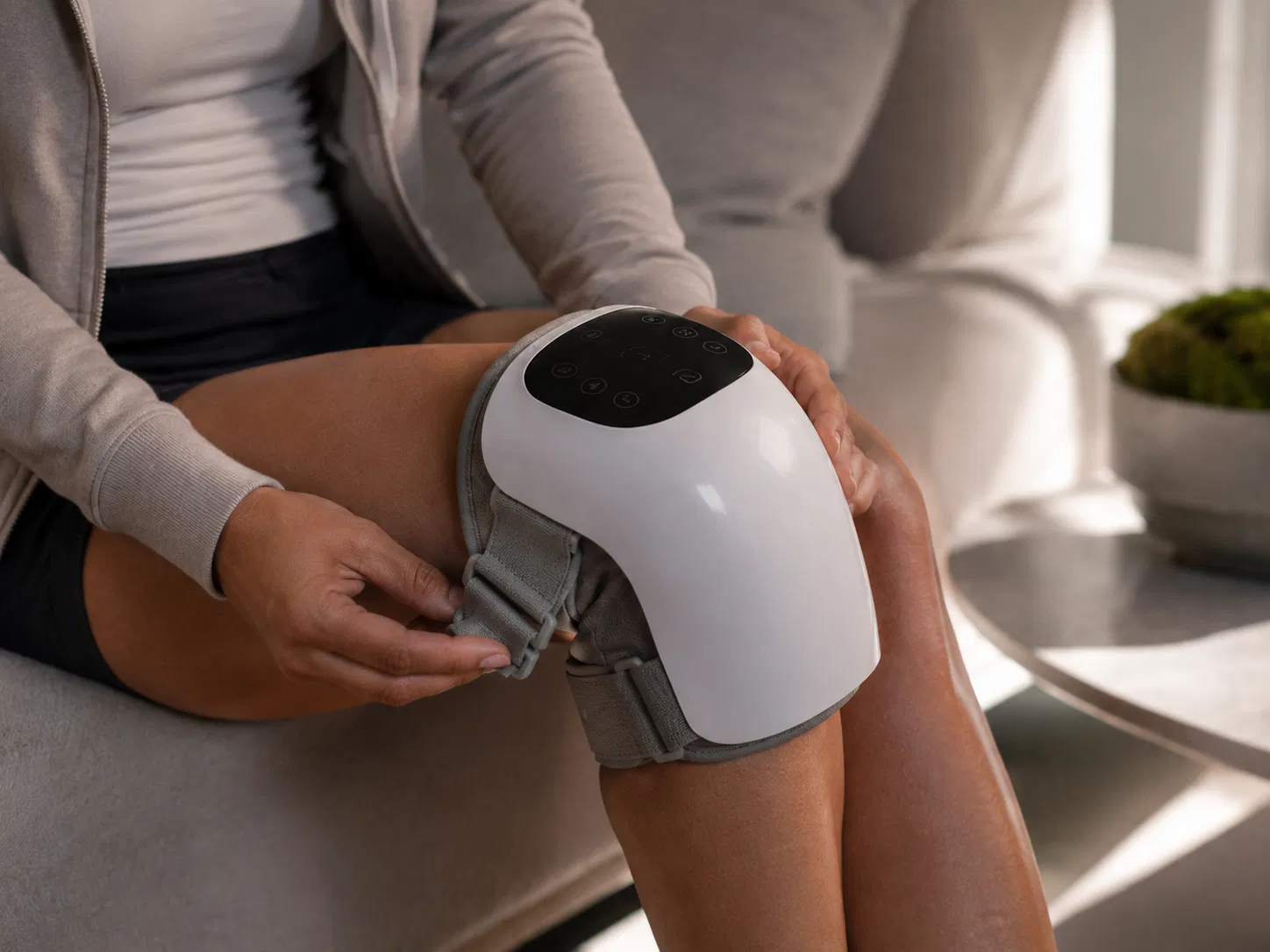
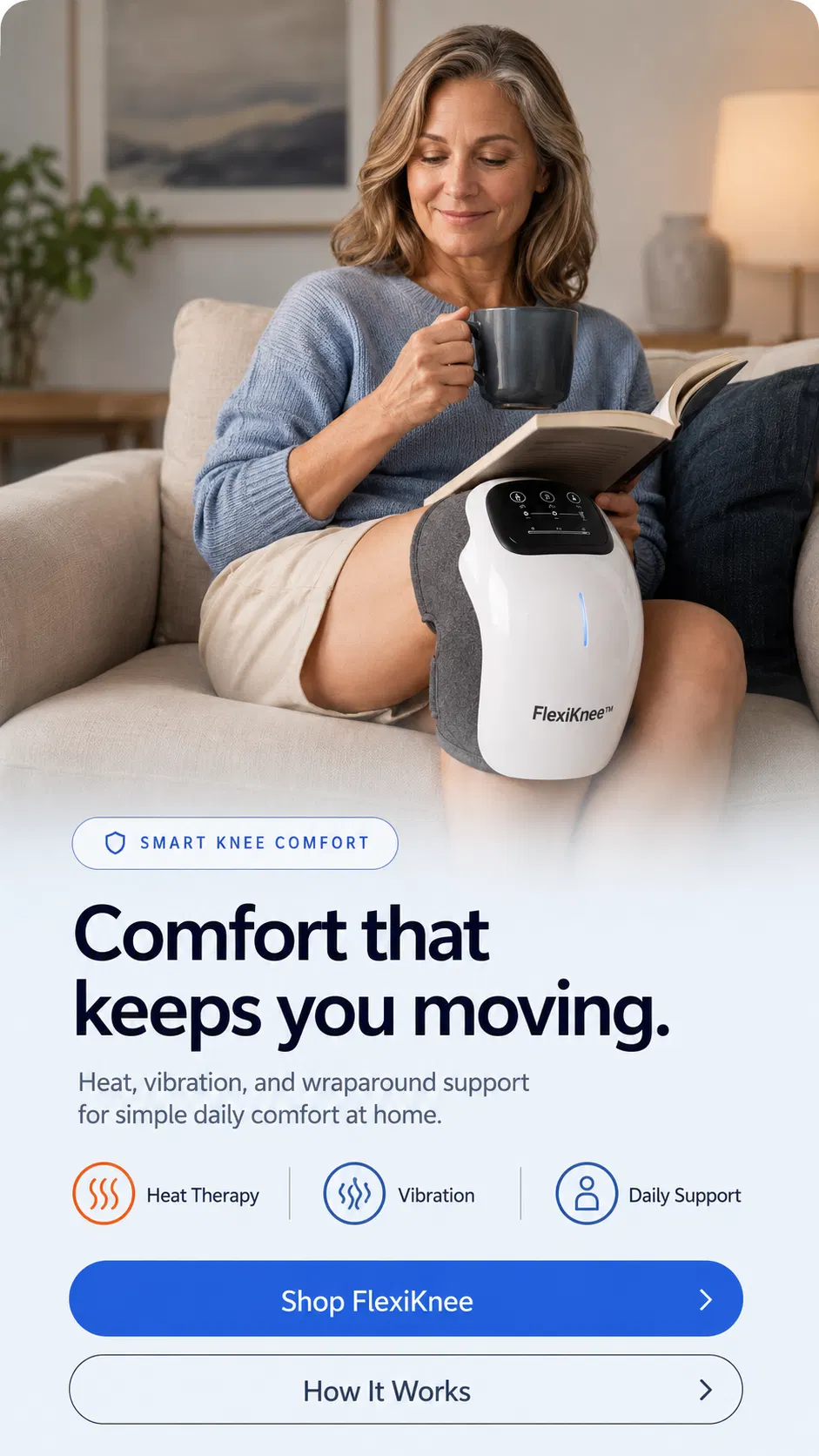
If you use a wearable device, follow its instructions, begin conservatively, inspect the skin, and avoid using it over an unexplained hot swollen knee. The FlexiKnee knee massager combines warmth, light, and vibration for a convenient comfort routine. Think of it as support before mobility work or during an evening wind-down, not as a substitute for assessment, sleep treatment, or strengthening. Our dedicated red-light dosing guide explains why session time alone does not define dose.
Warning Signs That Are Not “Just Menopause”
Hormone explanations can create dangerous delay when a new problem is dismissed. Seek urgent care for a knee that becomes very hot, red, and swollen, especially with fever or illness; inability to bear weight after injury; a visibly deformed joint; or a knee locked in one position. New one-sided calf swelling, warmth, or tenderness can indicate a blood clot, and chest pain or shortness of breath requires emergency help.
Arrange a prompt non-emergency review for repeated swelling, progressive loss of motion, instability, persistent night pain, unexplained weight loss, numbness or weakness, or symptoms in many joints with prolonged morning stiffness. Rheumatoid arthritis, thyroid disease, vitamin deficiency, medication effects, and other conditions can overlap with menopause symptoms.
Bottom Line
The hormone connection is real enough to take seriously and uncertain enough to avoid oversimplifying. Menopause may influence joint biology and can change sleep, muscle, body composition, inflammation, and pain processing. Those effects can expose an old injury, amplify osteoarthritis, or create diffuse aches without a single structural cause. The knee does not exist separately from the rest of the transition.
The strongest response is not to choose between “hormones” and “the knee.” Address both. Confirm concerning or persistent symptoms, rebuild lower-body capacity, protect sleep, maintain aerobic activity, use comfort tools intelligently, and make menopause-treatment decisions with a qualified clinician. Midlife knee pain is common, but it is not a command to become less active. With a plan that respects the whole system, many women can regain confidence and keep doing the activities that matter to them.
Frequently Asked Questions
Can menopause cause knee pain?
Perimenopause and menopause are associated with aching and painful joints, and falling or fluctuating estrogen may be one contributor. However, knee pain in midlife is usually multifactorial. Sleep disruption, muscle loss, changes in activity, body composition, previous injuries, osteoarthritis, tendon problems, and pain sensitivity can overlap. New symptoms should not automatically be labeled hormonal.
Why do my knees hurt more during perimenopause?
Perimenopause can bring hormone fluctuations, poor sleep, fatigue, hot flashes, mood changes, and changes in exercise consistency. Together, these can lower recovery and make an existing knee issue more noticeable. The timing can be real even when hormones are not the only cause.
Does low estrogen directly damage knee cartilage?
Estrogen receptors exist in joint tissues and laboratory research suggests estrogen influences cartilage, bone, muscle, tendon, and inflammatory signaling. Human studies do not prove that estrogen loss directly causes every case of knee osteoarthritis, and age, genetics, loading, injury history, and metabolic factors also matter.
Will HRT fix menopause-related knee pain?
Hormone therapy is not an established stand-alone treatment for knee pain. A large estrogen-alone trial found a modest reduction in reported joint pain, but other outcomes and later research are mixed. A 2025 systematic review found no significant overall effect on generalized musculoskeletal pain and conflicting osteoarthritis results. HRT decisions should be individualized around menopausal symptoms, benefits, and risks with a qualified clinician.
What exercises are best for menopause knee pain?
A balanced plan usually includes progressive quadriceps and hip strengthening, calf work, sit-to-stand practice, balance, and low-impact aerobic activity such as walking, cycling, or swimming. Start at a tolerable level and progress gradually. The best exercise is one that improves capacity without causing a sustained flare.
Can vitamin D deficiency cause aching knees during menopause?
Vitamin D deficiency can contribute to bone or muscle symptoms, but it is not a universal explanation for knee pain and supplementation does not reliably treat osteoarthritis when deficiency is absent. A clinician can decide whether testing is appropriate based on risk factors, diet, sun exposure, bone health, and symptoms.
How do I know whether knee pain is menopause or arthritis?
There is no home test that cleanly separates them, and both can coexist. Osteoarthritis is more likely with activity-related pain, stiffness after rest, reduced motion, and recurring swelling, but symptoms vary. A clinician may use history, examination, and occasionally imaging or blood tests when the diagnosis is unclear.
Is heat good for menopause-related knee stiffness?
Gentle heat may temporarily ease stiffness or muscle tension when the knee is not newly injured, markedly swollen, red, or unusually hot. Use a comfortable temperature, protect the skin, and follow device instructions. Heat supports comfort; it does not diagnose the cause or replace strengthening and medical care.
When should knee pain during menopause be checked urgently?
Seek urgent care for a hot, red, very swollen knee; fever; inability to bear weight; major trauma; a locked knee; or new one-sided calf swelling, especially with chest pain or breathlessness. Arrange a routine assessment for persistent night pain, repeated swelling, instability, progressive loss of motion, or symptoms that do not improve.