Knee ache after leg workouts is most often linked to the combination of external load, deep knee flexion, repeated sets, and fatigue during exercises such as squats, lunges, leg press, and Bulgarian split squats. The exact exercise and pain location help narrow down what may be driving the pattern.
This guide stays focused on knee pain after leg day. For general soreness after running or mixed workouts, see knee pain after exercise. For a practical cooldown, use our 10-minute post-workout knee recovery routine.
Why Knees Ache After Leg Workouts
Leg training differs from ordinary walking because the knee must handle external resistance, deeper ranges of motion, and repeated deceleration. As the quadriceps, hamstrings, glutes, and calves fatigue, movement can become less controlled and more load may be transferred to sensitive structures around the knee.
Training Load Increased Faster Than the Knee Adapted
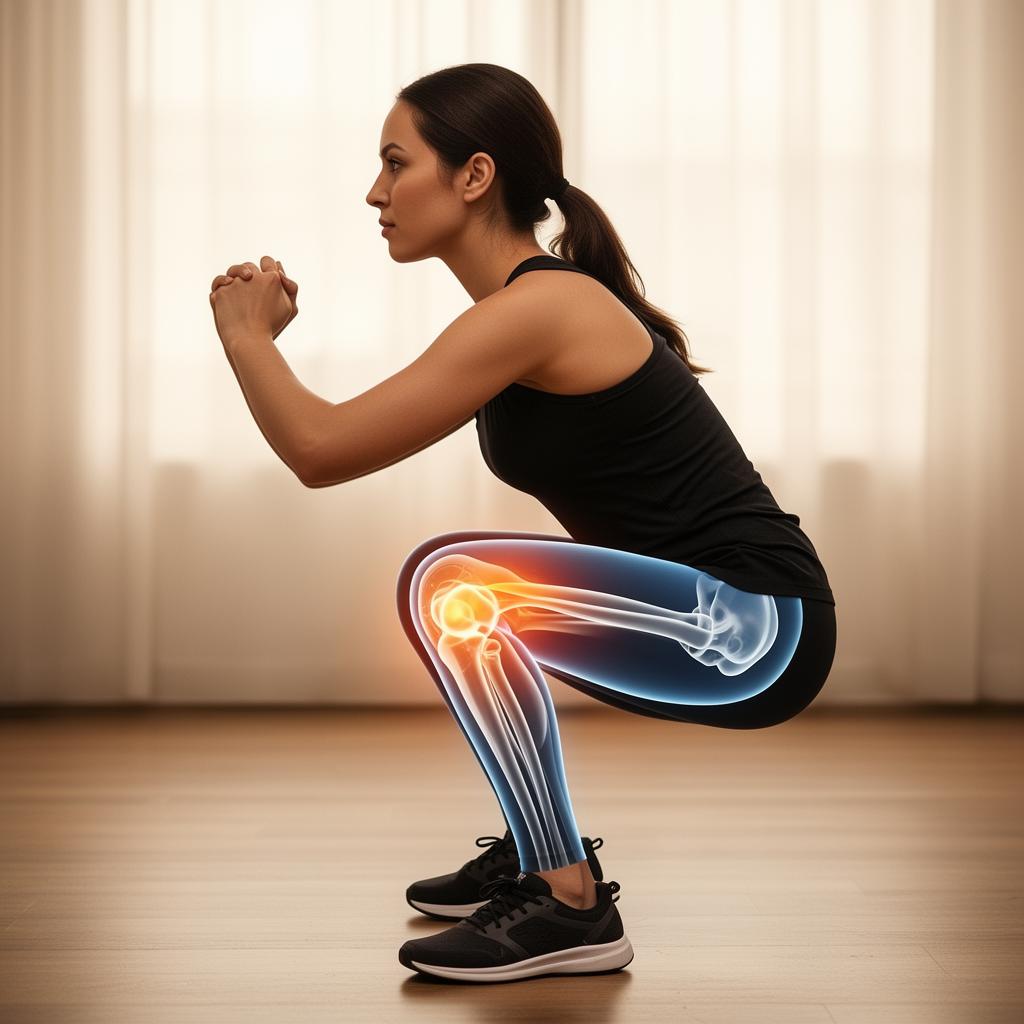
Adding weight, sets, frequency, or depth at the same time makes it difficult to identify which variable triggered symptoms. A knee that tolerated three moderate sets may react differently to five heavy sets taken close to failure. Progress one variable at a time and compare the response over the next 24 hours.
Technique Changed as the Set Became Harder
Technique does not have to look perfect, but it should remain controlled. Rapid descent, loss of balance, an unexpected shift to one side, or a sudden change in knee path can concentrate load. Film a comfortable working set from the front and side if the same exercise repeatedly causes pain.
Normal Muscle Soreness Is Being Felt Around the Knee
Quadriceps and adductor soreness can feel close to the kneecap or inner knee. General muscle soreness usually affects a broader area, appears later, and improves over a few days. Sharp pain at one point in the joint, visible swelling, or instability is a different pattern.
Knee Pain After Squats
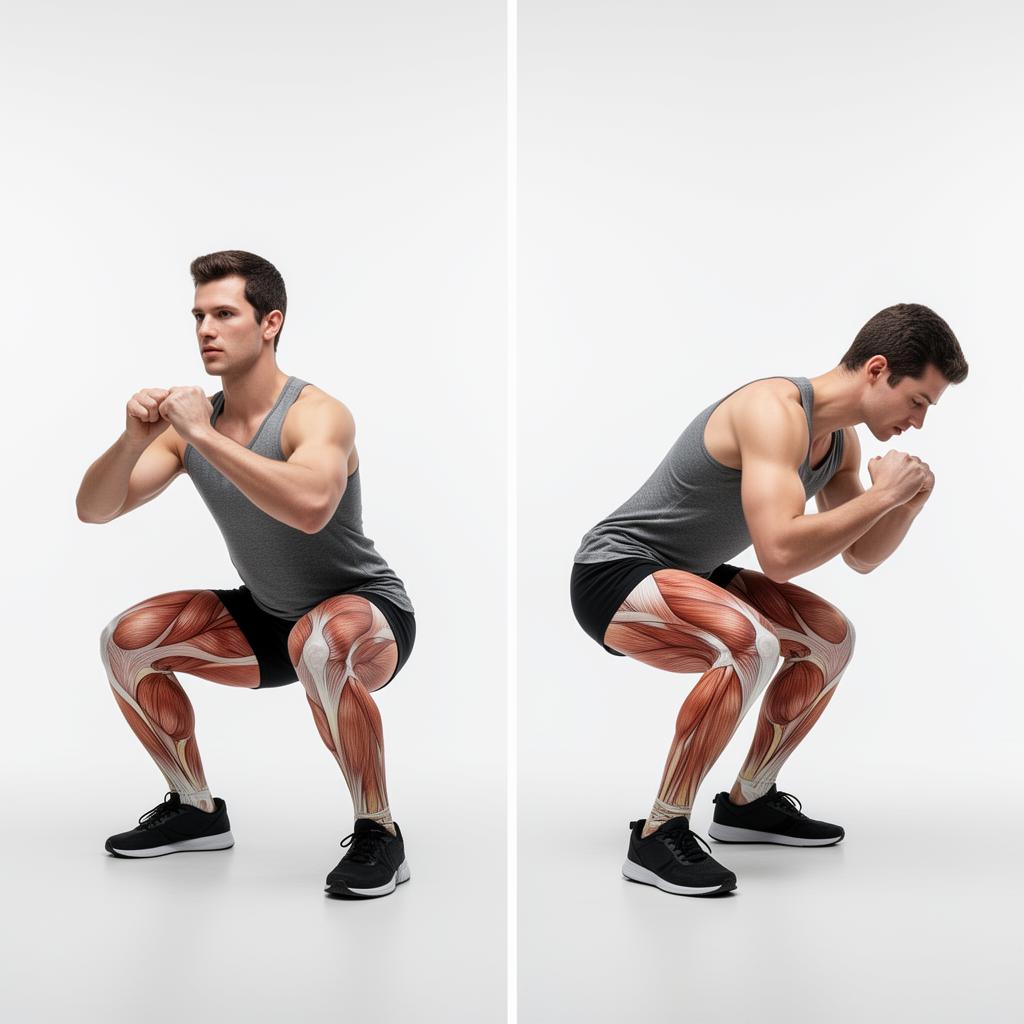
Squat demand changes with depth, stance width, foot angle, trunk position, bar position, and load. Deeper squats are not automatically harmful, but a depth that exceeds your current mobility or control may shift stress toward the knee. A more upright trunk generally increases the knee moment, while more forward trunk inclination shifts more demand toward the hips.
What to Change First
- Reduce the load or number of hard sets for one to two sessions.
- Use a pain-free depth rather than forcing the deepest position.
- Slow the lowering phase and remove bouncing at the bottom.
- Check whether one foot turns, lifts, or shifts more than the other.
- Compare barbell squats with a box squat, goblet squat, or another tolerated variation.
Knee Pain After Lunges
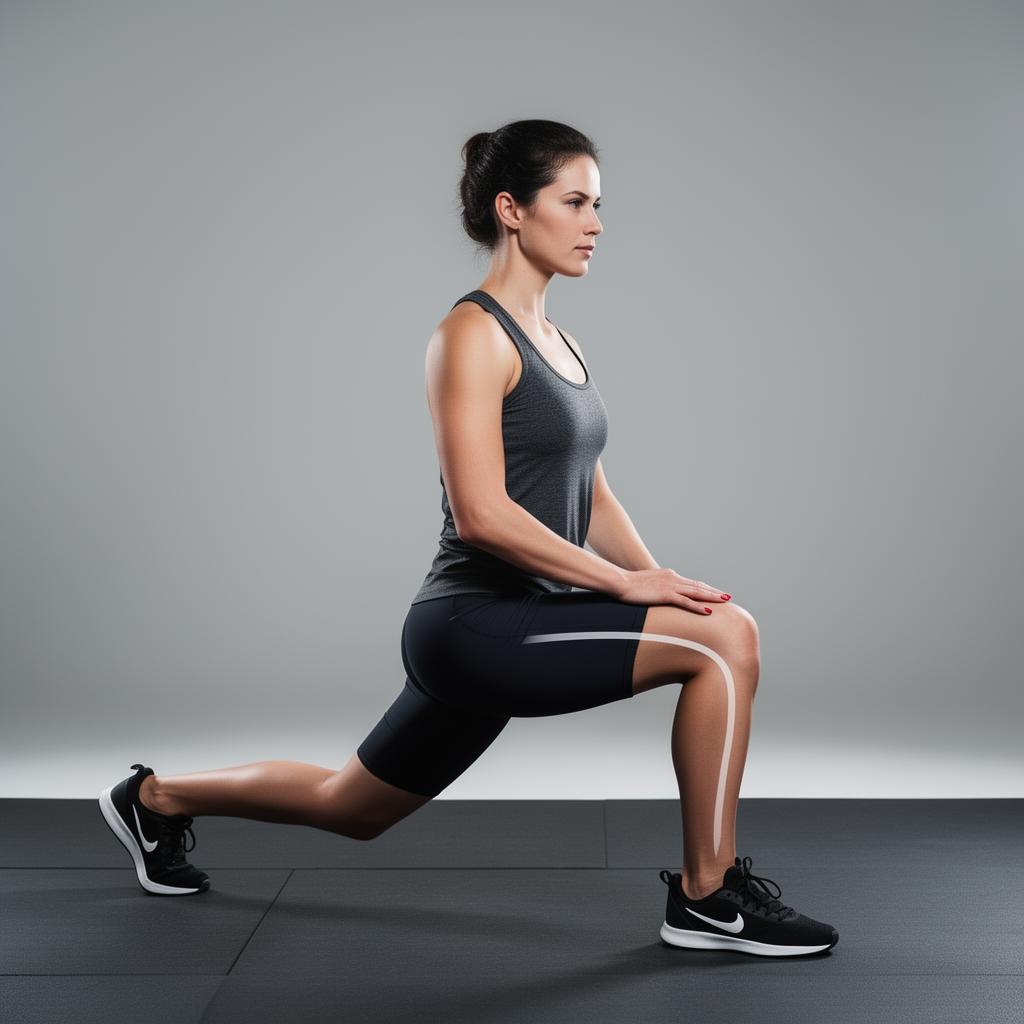
Lunges load each leg asymmetrically and require control at the hip, knee, ankle, and foot. Step length and knee angle change patellofemoral demand. A very short step can create more knee flexion in the front leg, while a longer step may change loading during landing and push-off.
What to Change First
- Shorten the range of motion before removing the exercise completely.
- Use support for balance so the knee is not correcting a wobble on every repetition.
- Try a reverse lunge or split squat and compare symptoms.
- Reduce dumbbell weight and keep the lowering phase controlled.
Knee Pain After Bulgarian Split Squats
Bulgarian split squats combine single-leg loading, a long range of motion, and a balance challenge. The lead knee may become irritated when the front foot is too close, the rear foot setup forces an awkward position, or fatigue causes the pelvis and knee to drift. Because the exercise is demanding, even a small increase in load or volume can produce a large increase in total knee stress.
- Move the front foot until the bottom position feels stable rather than cramped.
- Use a lower rear-foot support if the setup pulls the hip or changes balance.
- Hold a rack lightly or use one dumbbell to reduce the stability demand.
- Stop the set before technique changes sharply from fatigue.
Knee Pain After Leg Press
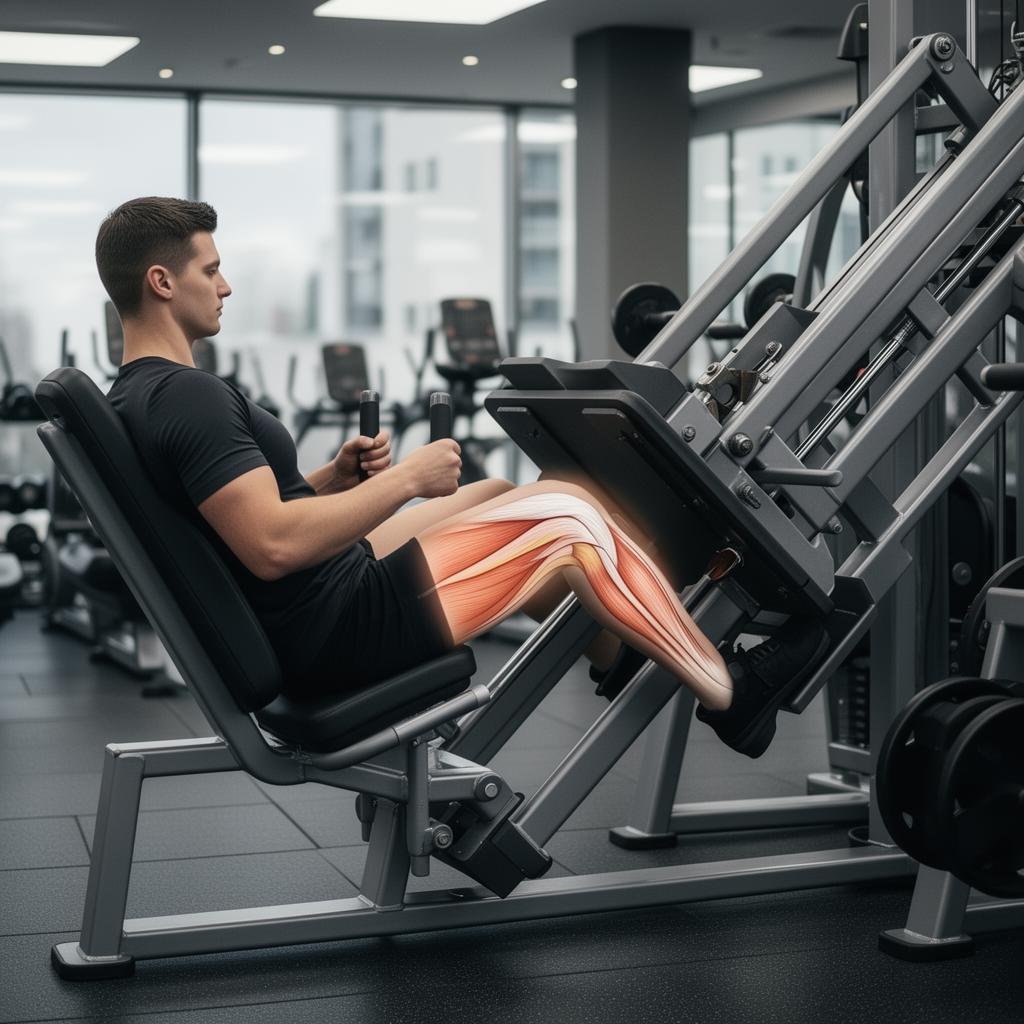
The leg press allows high external loads and can encourage a deeper bottom position than you can control. Knee discomfort may increase when the platform comes so close that the pelvis rolls, the knees collapse inward, or the load is lowered quickly. Foot placement changes the relative demand, but there is no universal position that protects every knee.
What to Change First
- Reduce load and stop the platform before the pelvis begins to roll.
- Control the lowering phase instead of dropping into the bottom position.
- Keep the feet fully supported and avoid forcing a narrow stance.
- Compare bilateral leg press with a lighter single-leg version only if it is more comfortable.
Medial Knee Pain After Leg Workouts
Medial knee pain after a leg workout means the discomfort is concentrated on the inner side. It may be influenced by knee position, foot pressure, hip control, adductor fatigue, or irritation of a local structure. Do not assume every inner-knee ache is caused by the knee moving inward; symptom location alone does not identify the tissue.
Track which exercise produces the pain, the exact phase of the repetition, and whether the area is tender, swollen, or painful during stairs and walking. Persistent pinpoint pain or joint-line swelling deserves professional evaluation.
Knee Popping or Stiffness After Years of Leg Training
Painless clicking or popping can occur in active knees and does not automatically indicate damage. The more important questions are whether the sound is new, painful, linked to swelling, or accompanied by catching, locking, or loss of motion. Stiffness after hard sessions may reflect fatigue and temporary irritation, but a progressively worsening pattern should not be dismissed as normal aging or "wear and tear."
For painless noise patterns, see why knees crack or pop. Painful locking, instability, or swelling needs a different level of attention.
Normal Leg-Day Soreness vs a Warning Sign
If your leg session includes kneeling hamstring work, the Nordic hamstring curl technique and knee-pressure guide explains how setup and assistance affect that particular exercise.
More Consistent With Training Soreness
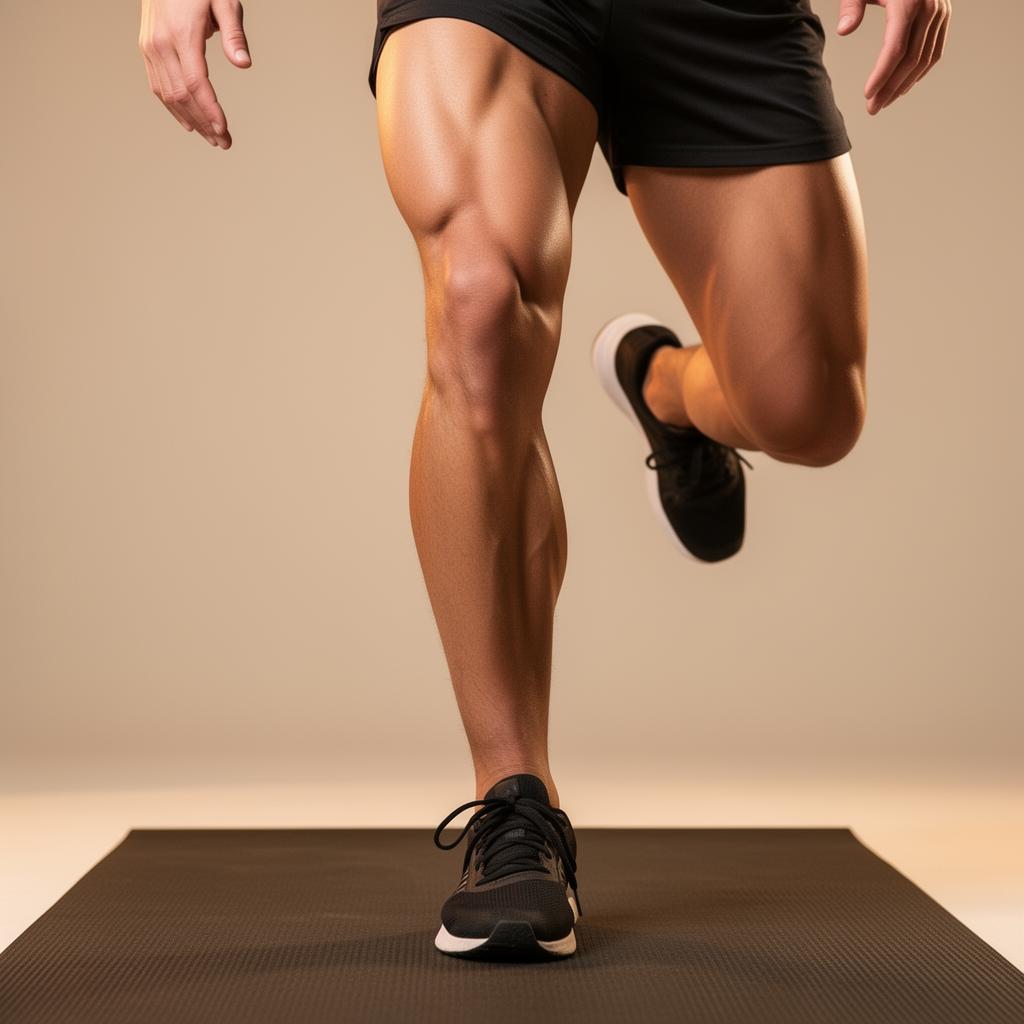
- Dull or diffuse ache
- Appears later the same day or next day
- Improves over 48 to 72 hours
- No major swelling, locking, or giving way
Needs Closer Attention
- Sharp or pinpoint pain
- Specific pop, twist, or failed repetition
- Visible swelling or loss of motion
- Locking, instability, or inability to bear weight
What to Do Before the Next Leg Workout
- Identify the exact exercise and repetition phase that triggered symptoms.
- Change one variable: load, sets, depth, speed, or exercise selection.
- Warm up with lower-load versions of the movements you plan to train.
- Keep two or three repetitions in reserve while testing the adjustment.
- Reassess the knee later that day and the next morning.
A Useful Training Rule
Do not change five variables at once. Make one clear adjustment and compare the knee's 24-hour response. This makes it easier to identify whether load, volume, depth, speed, or a specific exercise is the main trigger.
If the seated knee-extension machine is the specific trigger, the leg-extension setup and range guide examines the seat, machine pivot, shin pad, resistance, and response after training. It is separate from general leg-day soreness or squat technique.
Frequently Asked Questions
Why do my knees hurt after leg day?
Leg day combines external load, deep knee bending, repeated sets, and muscle fatigue. A dull delayed ache may reflect temporary overload, while sharp pain, swelling, locking, or instability needs closer attention.
Why do my knees hurt after Bulgarian split squats?
Bulgarian split squats add single-leg load, a long range of motion, and a balance demand. Front-foot distance, rear-foot height, load, depth, and fatigue can all affect knee comfort.
Why does the inside of my knee hurt after leg workouts?
Inner-knee pain may be influenced by movement control, foot pressure, hip position, adductor fatigue, or irritation of a local structure. Persistent pinpoint pain or swelling should be assessed.
How can I reduce knee pain after squats?
Reduce one variable at a time, such as load, sets, depth, or speed. Use a controlled range, avoid bouncing, and compare a tolerated squat variation while monitoring the next-day response.
Why does leg press hurt my knees?
Heavy load, excessive bottom depth, rapid lowering, pelvic rolling, or an uncomfortable foot position can increase knee demand. Reduce load and use a controlled depth that keeps the feet and pelvis stable.
Are popping knees after leg day normal?
Painless popping can occur in active knees. New painful popping with swelling, catching, locking, instability, or loss of motion is not typical training soreness and should be evaluated.
Should I train legs again if my knees still ache?
Delay or modify the next heavy session if normal walking, stairs, or warm-up movements remain painful. Repeated worsening from session to session is a sign to reduce load and seek professional guidance.