A new injury is different from naturally flexible knees
Some people habitually stand with knees that move beyond a neutral straight position. That range is not automatically an acute injury. A hyperextension injury describes a new event in which force pushes the knee backward beyond what its tissues can tolerate, such as during a landing, collision, or unexpected step.
The distinction changes the next question. With longstanding flexibility, the discussion may center on control, symptoms, and everyday habits. After a sudden event, the priority is identifying possible tissue damage and deciding how urgently the knee needs assessment. Do not assume the injury is harmless because your knees have always been flexible.
Our hypermobile knees guide covers the habitual pattern. This page focuses on a new backward-bending injury and the decisions that follow it. A person can have both, but they should not be treated as interchangeable explanations.
What may be affected when the knee bends backward
The knee's stability depends on several structures working together. A hyperextension event can stress ligaments, the joint capsule, cartilage, menisci, and surrounding tissues. The exact combination depends on the force and any additional rotation or contact. The word hyperextension describes the mechanism, not the complete diagnosis.
A milder sprain and a more substantial ligament injury can initially share pain or swelling. You cannot reliably grade the injury by how dramatic the movement looked on video. Nor can the loudness of a pop tell you exactly which structure was affected. A clinician combines the history with examination and, when needed, imaging.
Severe injuries can also involve nerves or blood vessels around the knee. This is one reason changes in the foot's color, temperature, sensation, or strength are important. Do not focus only on knee pain while overlooking a cold foot or new difficulty moving the ankle.
The event details worth remembering
Describe whether the injury occurred during landing, running, a fall, contact, or skiing. Mention whether the foot was planted, whether the body rotated, and whether the knee looked deformed. If it appeared out of place and then looked normal again, tell the clinician; the changed appearance does not necessarily remove concern.
Note how quickly swelling developed and whether you could continue the activity. Finishing a game or walking afterward does not rule out a significant injury. Symptoms can become more obvious later, once the immediate task is over and the joint responds.
A short account is enough. Do not recreate the event to make the description more precise. Repeatedly pushing the knee backward, hopping, or asking someone to pull on the leg can add risk without giving a reliable answer. Leave ligament stress testing to a trained professional.
Symptoms that change the urgency
| Finding | Why it matters | Next step |
|---|---|---|
| Cold, pale, discolored, numb, or weak foot | Circulation or nerve involvement may be possible. | Urgent emergency assessment. |
| Visible deformity or a knee that looked displaced | A serious joint injury may have occurred. | Do not try to reposition it; get urgent help. |
| Rapid substantial swelling | Internal injury needs consideration. | Prompt assessment, particularly after a significant event. |
| Inability to bear weight | Function is substantially affected. | Seek urgent advice rather than repeatedly testing walking. |
| Locking or marked loss of movement | A mechanical or other significant problem may be present. | Do not force the joint through the restriction. |
| Repeated giving way | Stability may be impaired. | Avoid risky activity and arrange assessment. |
These signs are not a complete checklist that must all be present. A concerning injury deserves advice even when only one major feature appears. If symptoms are changing quickly or you are unsure whether it is safe to move, contact local urgent care or emergency services for guidance.
What to do immediately after the injury
Stop the activity and protect the knee from another unexpected load. Do not continue competing to see whether it warms up. If you need help leaving the area, use appropriate assistance rather than hopping across a slippery surface or letting someone drag you by the arms.
Follow professional advice about weight bearing and early care. A walking aid may be needed, but the correct aid and technique depend on the injury and your balance. Borrowing a cane without instruction is not equivalent to a plan, particularly when the knee repeatedly gives way.
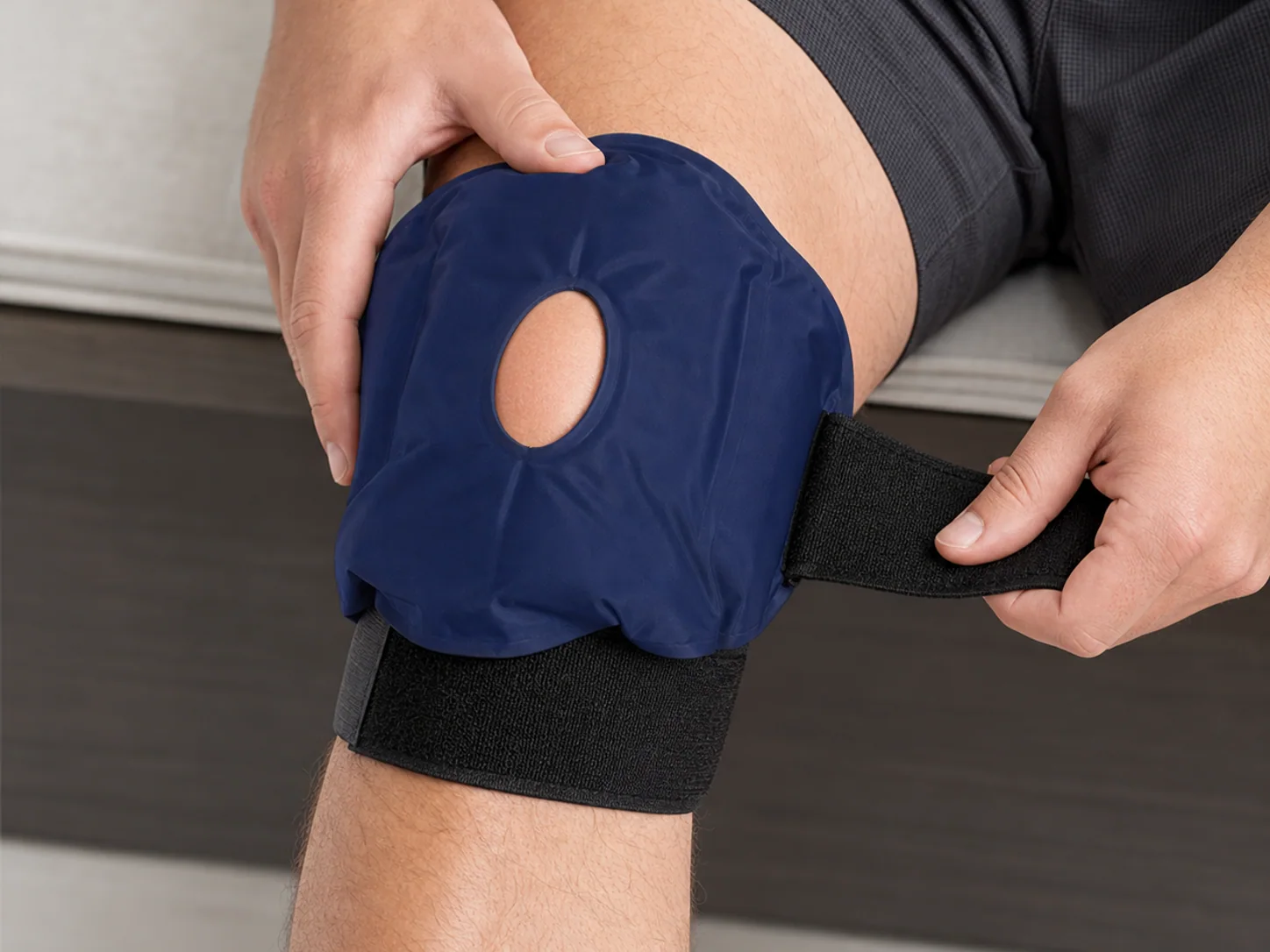
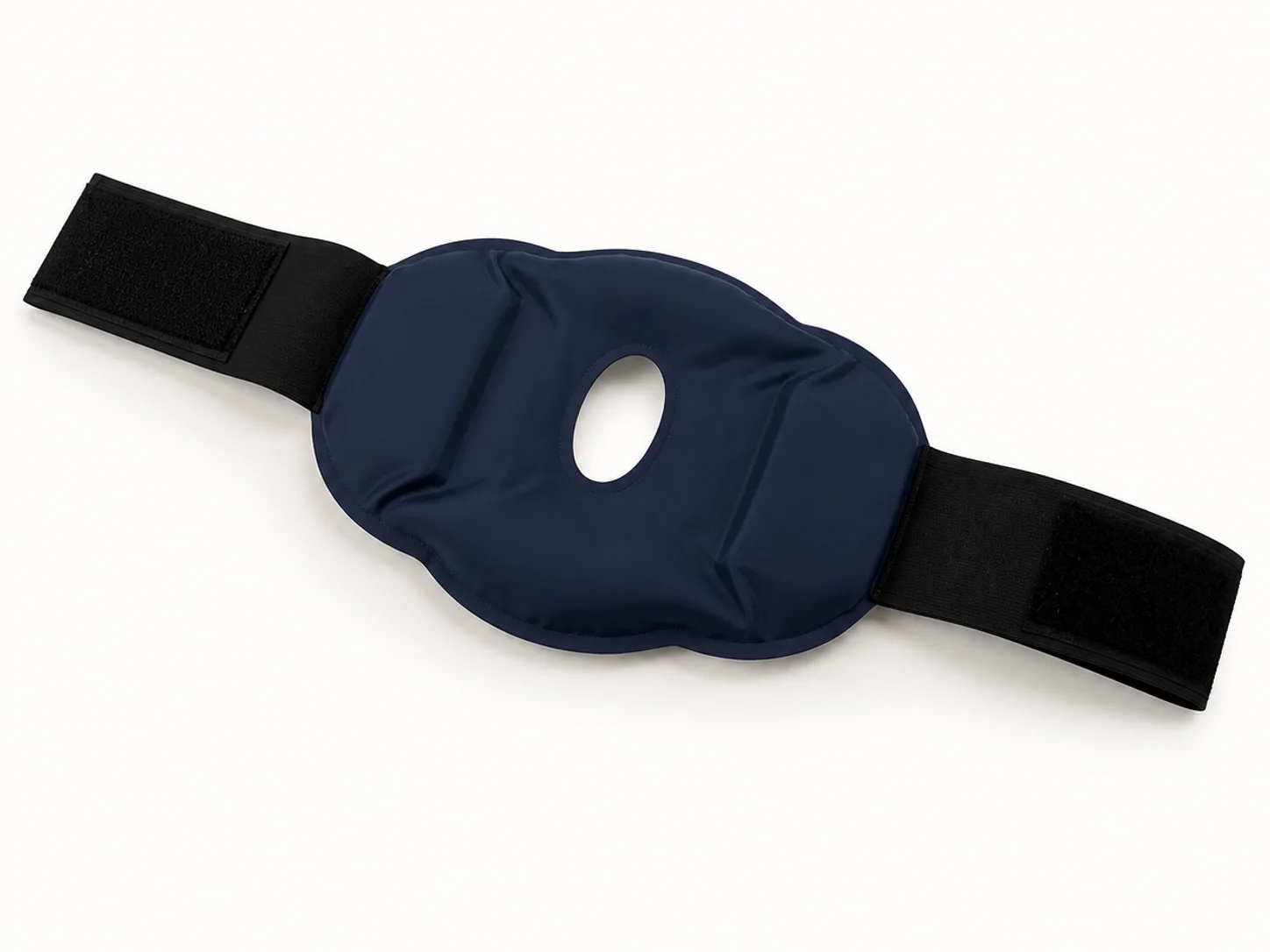
If cold is appropriate for comfort, protect the skin and follow safe-use instructions. Avoid heat or vigorous massage over a fresh swollen injury. Comfort measures do not replace assessment, and a temporary reduction in pain does not establish that the knee is ready to load normally.
What a clinical examination may assess
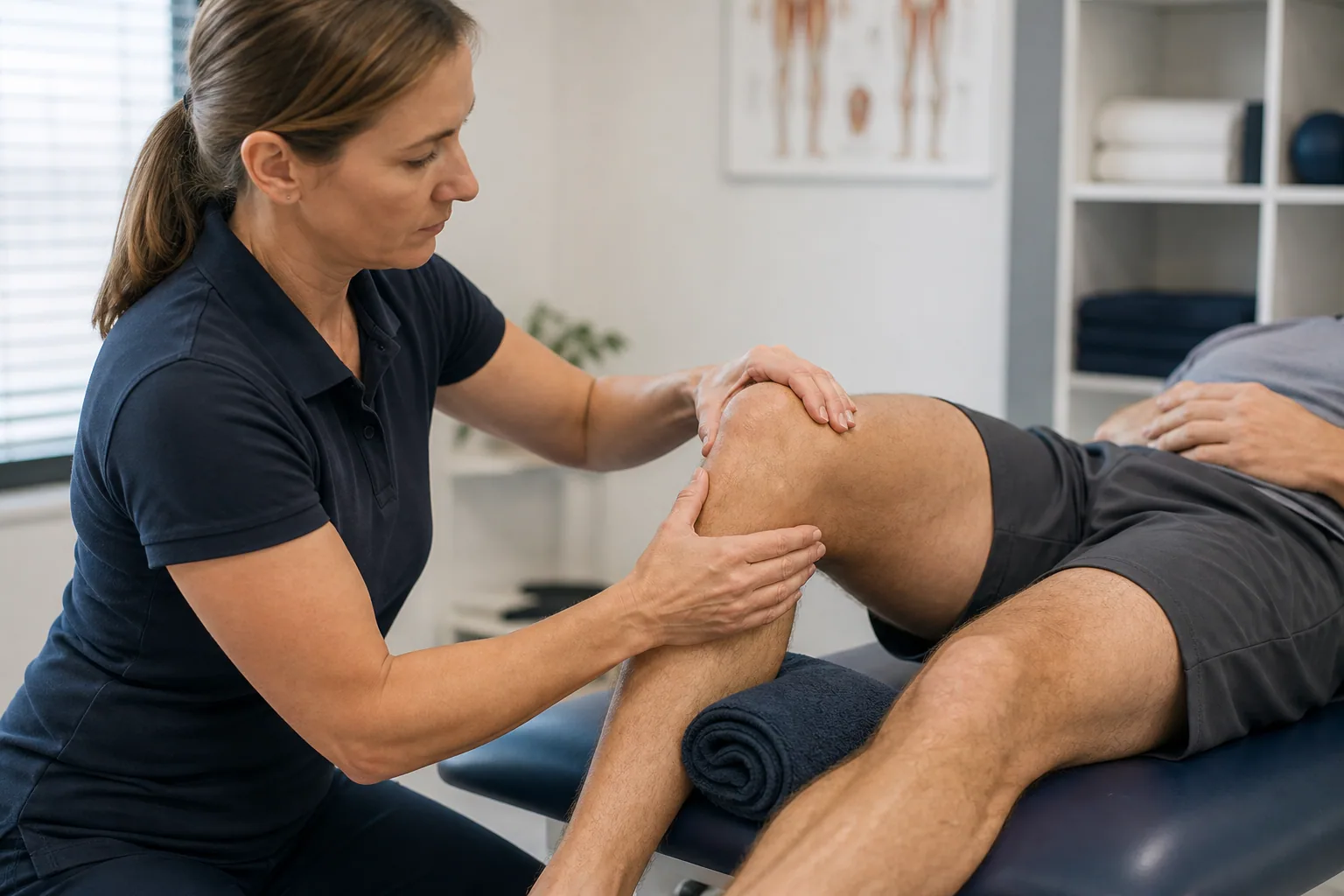
The clinician will ask about the event, symptoms, previous injuries, and the activities you need to return to. Examination may include swelling, motion, tenderness, stability, and circulation or nerve function. The approach can be adapted if pain or swelling limits what can be assessed safely at the first visit.
A later reassessment may be useful when the initial examination is limited. That does not necessarily mean the first visit was incomplete or unhelpful. Early care may focus on excluding urgent problems and protecting the knee, with more detailed functional testing once the situation allows.
Ask what is known, what remains uncertain, and what should trigger earlier review. Clear instructions about weight bearing, support, and activity prevent you from filling gaps with online advice. If a brace is prescribed, make sure you understand how and when to wear it rather than adjusting it independently.
X-ray, MRI, and other tests answer different questions
An X-ray may be used to assess bone injury or alignment after trauma. MRI can provide information about ligaments and other soft tissues when that information is needed for management. The decision is based on the history and examination, not simply on the fact that the knee bent backward.
Circulation concerns may require urgent tests beyond a routine knee scan. Do not wait for an outpatient MRI appointment if the foot becomes cold, discolored, numb, or weak. Report those changes immediately. The most urgent question may be different from whether a ligament is torn.
For a broader explanation of imaging roles, see our X-ray, MRI, and ultrasound comparison. A scan result should be discussed alongside symptoms and function. It does not automatically dictate one treatment for every person with the same report wording.
Why recovery time cannot be read from a sports headline
News about professional athletes often uses hyperextended knee as a short description before the full diagnosis is public. Their return dates may reflect a different injury, access to rehabilitation, sport demands, and decisions not visible in the report. Copying that timeline is not a safe way to plan your recovery.
A milder injury may settle through conservative care, while a more substantial ligament or combined injury can require a longer rehabilitation process and sometimes surgery. The key is the diagnosed damage and functional progress. The same mechanism does not guarantee the same recovery path.
Ask for milestones as well as a broad expectation. What should improve before walking farther, returning to work tasks, or beginning sport drills? Milestones make the plan usable while allowing for individual variation. A promised exact date can create pressure to progress before the knee is ready.
Support, bracing, and everyday movement
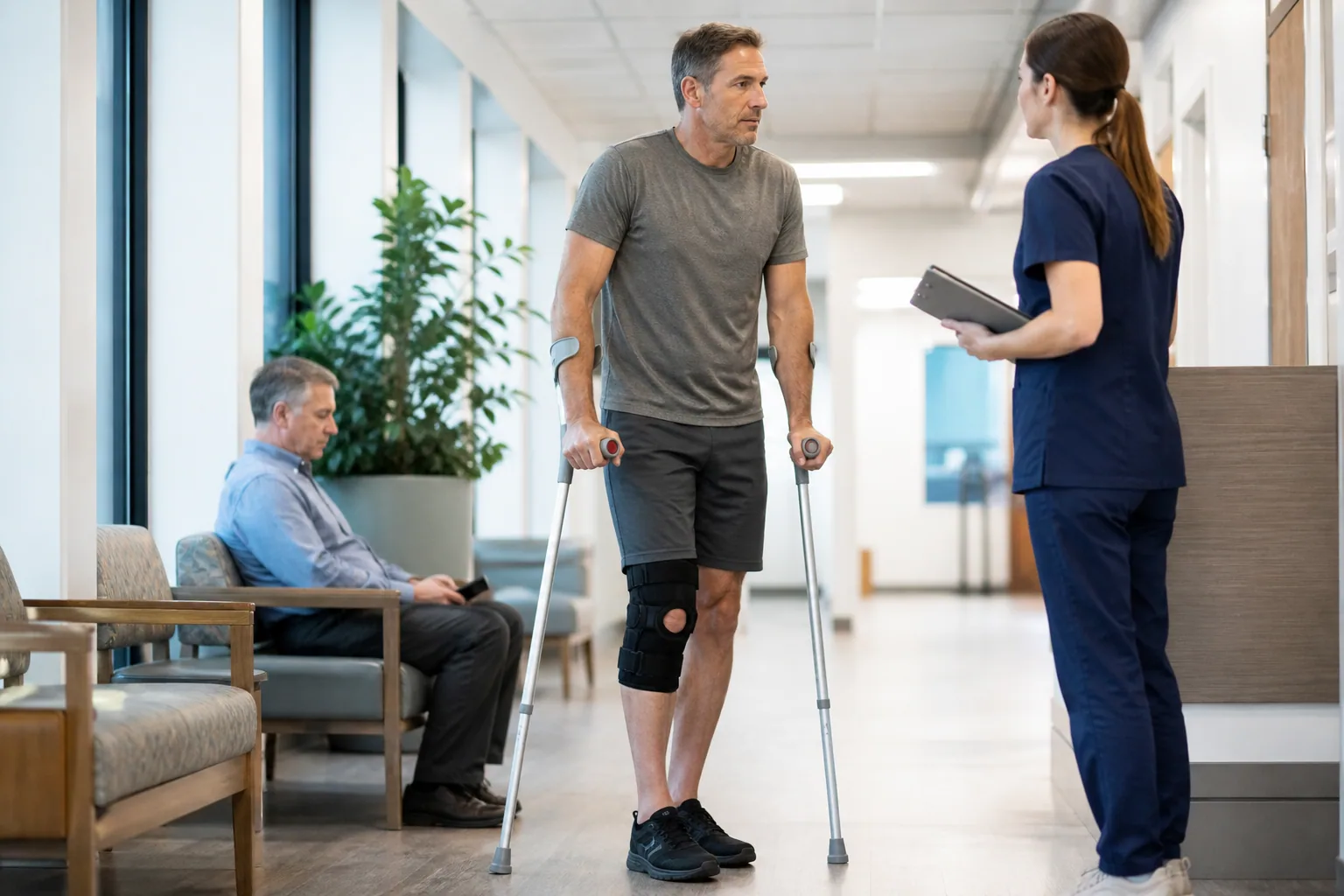
A prescribed brace may limit motion or provide protection for a specific injury. A general compression sleeve has a different function and should not be treated as an interchangeable substitute. Ask the clinician what the support is intended to do and what it does not permit.
Check fit and skin comfort as instructed. Increasing tightness to feel more secure can create pressure or circulation problems. Report new numbness, color changes, or worsening swelling rather than assuming the support needs to be worn tighter. Do not change brace settings without guidance.
Plan ordinary tasks around the restrictions: bathroom access, stairs, transport, and carrying items can be harder than expected. Our walking-aid guide explains general cane questions, but the injury team should decide whether a cane provides enough support for your situation.
Rehabilitation is more than regaining a straight knee
Depending on the diagnosis, rehabilitation may address motion, swelling, strength, balance, and control. The aim is not to force the knee as far backward as the other side. A therapist can explain which range is appropriate and how to move without repeatedly dropping into an uncontrolled end position.
Exercises should progress with the response. More resistance, longer sessions, and greater instability are separate changes. Adding all of them at once makes it difficult to know what the knee can manage. Report symptoms that persist after sessions or interfere with ordinary function.
Keep the programme connected to your goals. Returning to desk work, carrying equipment on a job, and playing a cutting sport involve different demands. A plan that prepares you for one does not automatically clear the others. Discuss the most demanding tasks you expect to resume.
Return to activity through relevant milestones
| Stage | Question to discuss | Avoid |
|---|---|---|
| Daily movement | Can the required walking and transfers be managed within restrictions? | Using pain alone to decide weight bearing. |
| Rehabilitation exercise | Are motion, strength, and response progressing as intended? | Forcing backward range to match appearance. |
| Controlled sport drills | Can planned tasks be performed with appropriate control? | Jumping directly into unpredictable play. |
| Higher-demand training | How does fatigue affect the movement and later symptoms? | Treating one good repetition as full readiness. |
| Unrestricted return | Has the diagnosis-specific assessment been completed? | Copying another athlete's calendar. |
Confidence matters alongside physical measures. A person may hesitate after an injury even when a simple exercise looks controlled. Tell your therapist which task feels uncertain. A gradual, specific exposure plan is more useful than being told to trust the knee without explaining what supports that confidence.
Keep a clear option to stop early when activity resumes. Agree on limits with a coach, employer, or training partner beforehand. That makes it easier to act on symptoms without feeling you are letting someone down. The return plan should make good decisions practical, not depend on willpower in a competitive moment.

Questions to take to follow-up
Ask which structures are believed to be involved, whether further testing is needed, and how the next phase will be judged. Confirm the plan for braces, walking aids, work, driving, and exercise where relevant. If an instruction is unclear, ask for an example of an activity that is allowed and one that is not.
Bring notes about swelling, giving way, and the response to prescribed exercises. Mention new foot symptoms promptly rather than saving them for a routine appointment. If progress stalls, the plan may need review; adding harder exercises independently is not the only option.
Finally, ask what prevention work is appropriate after recovery. Strength and movement training may have a role, but no drill or sleeve guarantees that a future injury cannot happen. The useful goal is improved capacity and decision-making, not a promise of complete protection.
Review the return plan when the job is physically demanding
Work can include sudden demands that do not appear in a clinic exercise: stepping off a vehicle, carrying a load, climbing a ladder, or reacting to a moving object. Describe those tasks during follow-up. Being comfortable at a desk does not establish readiness for an unpredictable physical shift.
Ask whether temporary adjustments, shorter exposure, or different duties are appropriate. Agree on the review point and how symptoms should be reported. A practical work plan reduces the need to choose between doing everything normally and staying away indefinitely, while keeping the injury's restrictions clear.
When to Get Medical Help
Seek urgent help for deformity, a cold or discolored foot, new marked numbness or weakness, severe injury, inability to bear weight, or a locked knee. Rapid swelling and repeated instability need prompt assessment. A hot red knee with fever or feeling unwell also requires urgent advice, even if an earlier injury seemed minor.
Let the diagnosis guide the timeline
A backward-bending event is a mechanism, not a recovery schedule. Stop painful testing, act on warning signs, and get clear instructions about support and activity. A staged return based on the knee's function is more useful than comparing your progress with an athlete's headline or a fixed number of days online.
Frequently Asked Questions
What is a hyperextended knee injury?
It is an injury caused by the knee being forced backward beyond its usual limit. The structures affected and severity vary.
Does hyperextension always tear the ACL?
No. Several tissues can be involved, and not every episode causes a ligament tear. Examination determines what needs investigation.
Can I walk with a significant injury?
Sometimes. Being able to walk does not reliably rule out ligament or other damage, especially when swelling or instability develops.
How long does a hyperextended knee take to recover?
There is no single timeline. Recovery depends on the diagnosis, severity, treatment, function, and activity you want to resume.
Should I stretch it straight to test it?
Do not force the knee backward or perform stress tests yourself. Stop painful testing and obtain appropriate assessment.
Will a compression sleeve protect the injured knee?
A sleeve is not equivalent to a prescribed brace and does not establish safe weight bearing or sport readiness.
Is natural knee hypermobility the same thing?
No. A habitual range beyond neutral differs from a new traumatic event, although a hypermobile person can also sustain an injury.
Which symptoms are an emergency?
Deformity, a cold or discolored foot, marked numbness or weakness, or major injury with inability to bear weight needs urgent help.