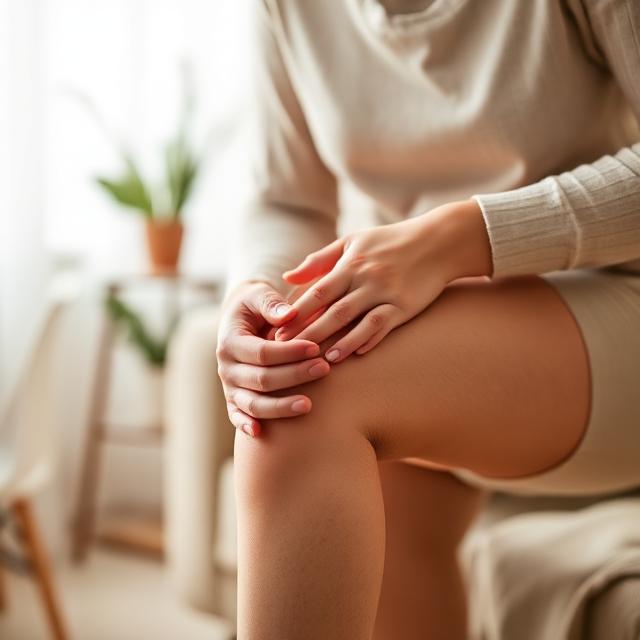
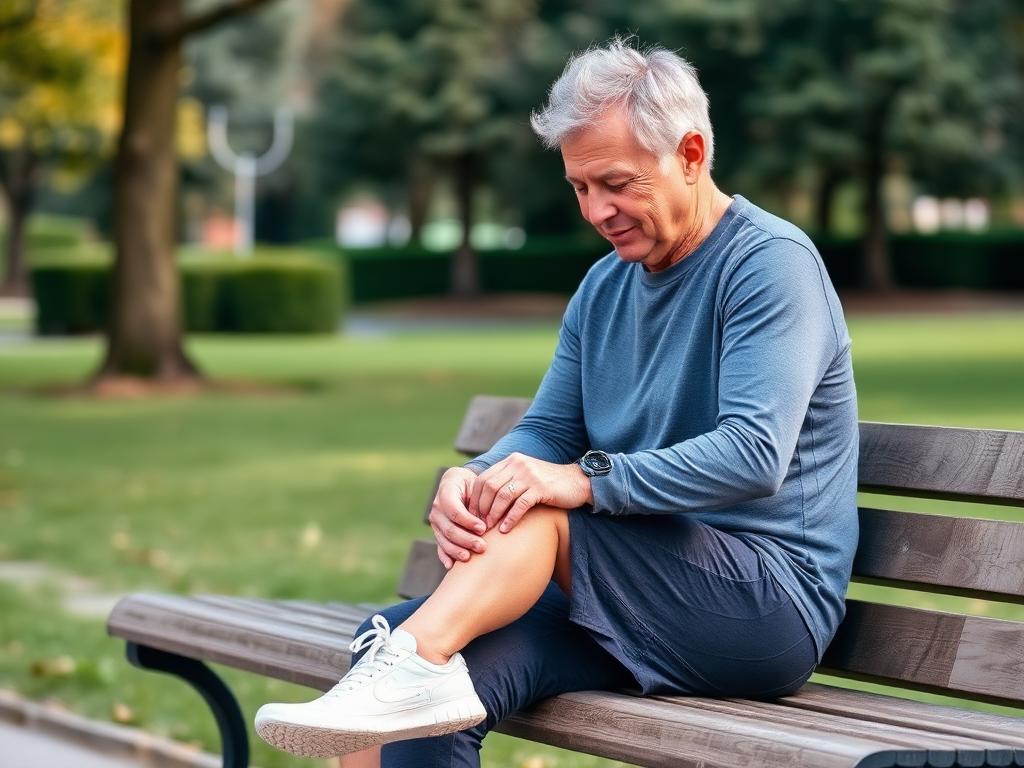
A pain-free workout does not always mean the knee tolerated the session perfectly. It means the knee was able to perform during that period. Once you stop, cool down, sit for several hours, and the body's temporary pain-modulating effects fade, the true response to the load may become easier to notice.
The delayed ache can be harmless and temporary, particularly after a new or unusually demanding activity. It can also be an early sign that training load, movement choice, footwear, or recovery needs adjustment. The goal is not to label every ache as damage, but to use the timing as information.
Why Exercise Can Temporarily Turn the Volume Down
Movement raises tissue temperature, increases circulation, and distributes synovial fluid through the joint. Muscles also become more responsive after warming up, which can improve how the hip, thigh, and calf share load. These changes often make a stiff knee feel easier after the first few minutes.
Exercise can also temporarily reduce pain sensitivity, an effect called exercise-induced hypoalgesia. It does not occur equally in everyone, and research suggests it may be altered in some persistent pain conditions, including knee osteoarthritis. That is why one person can feel noticeably better during movement while another does not.
Focus matters too. During a workout you are counting repetitions, following a route, or concentrating on technique. Later, when activity stops, a low-level signal that was easy to ignore can become more obvious.
What Changes After the Session
Over the next few hours, tissues cool and the temporary pain-dampening response reduces. Sitting can keep the knee bent and compress sensitive structures, which is why the first steps after a desk session or car ride may feel worse than the final steps of the workout.
If the session exceeded current capacity, the body may also produce a local response to the extra load. That does not automatically mean a serious injury. It may be a signal that the amount, intensity, depth, speed, or novelty of the activity was more than the knee was prepared to recover from on that day.
Five Common Reasons the Ache Appears Later
1. A sudden load spike
Common examples include doubling a walking route, adding hills, returning to squats after a break, increasing running distance, or combining a hard leg session with an unusually active day. Research in novice runners has linked larger short-term distance increases with higher injury risk, but there is no single percentage rule that fits every activity or person. Progress should be based on recent training history and the next-day response.
2. More knee bend under load
Deep squats, lunges, stairs, hill descents, cycling with a low saddle, and repeated kneeling change pressure around the kneecap and surrounding tissues. These movements are not inherently bad. Trouble often comes from doing more depth or volume than the knee currently tolerates.
3. Fatigue changes movement
Technique can look good at the start and become less controlled near the end. The knee may move inward, the pelvis may drop, or landing may become stiffer as the hip and calf fatigue. You may not feel a problem during the final repetitions, but the accumulated load becomes noticeable later.
4. Stopping abruptly and sitting
Going directly from intense activity to a long drive or desk session removes the gradual transition that easy movement provides. The knee cools in a bent position, and the first movement afterward can feel particularly stiff.
5. Footwear or surface changed
A worn shoe, new insole, harder floor, cambered road, or unfamiliar trail changes how force reaches the knee. Review our insole guide when the pattern appears mainly during walking or running and seems sensitive to footwear.
Use Location as a Clue — Not a Diagnosis
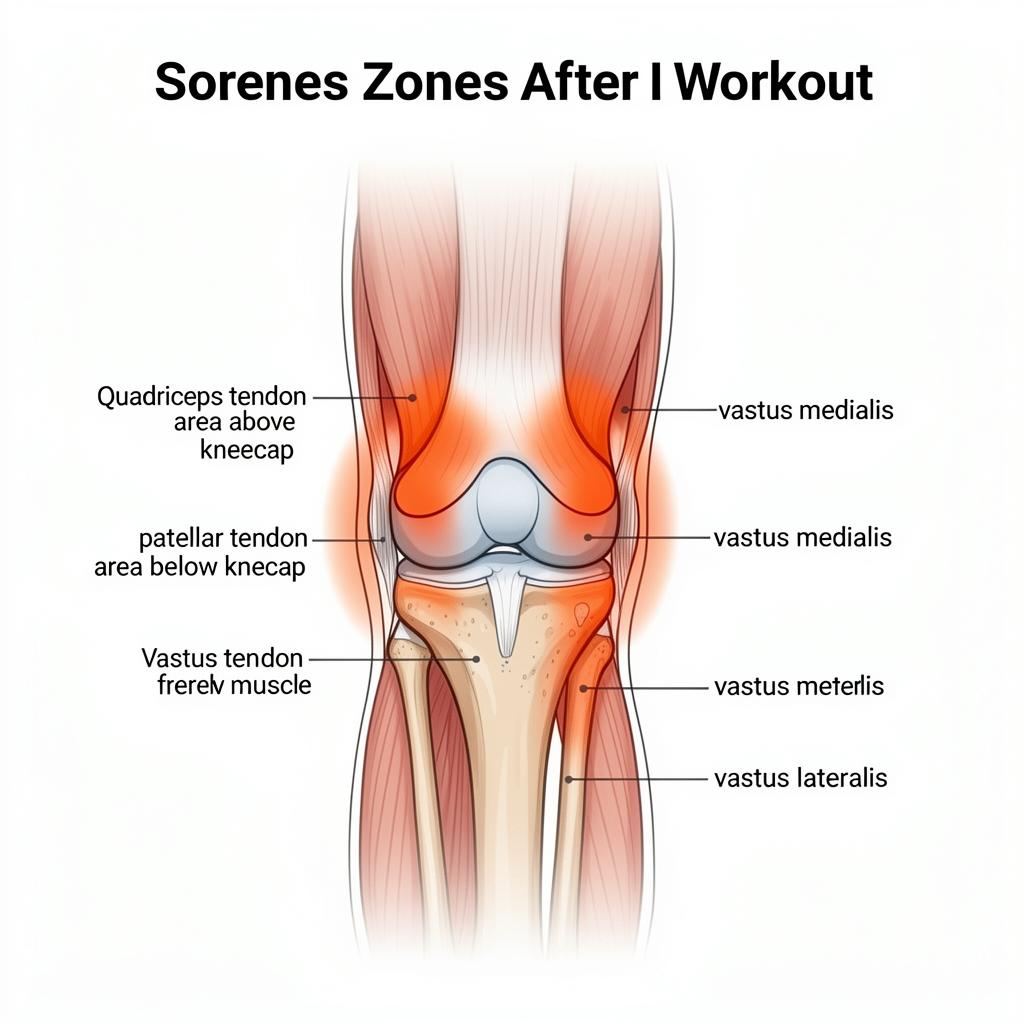
| Where you feel it | Common load pattern to review | Useful first adjustment |
|---|---|---|
| Front / around kneecap | Deep bending, stairs, hills, high squat or lunge volume | Temporarily reduce depth or repetitions and monitor the next morning |
| Inner knee | Side-to-side control, fatigue, surface or footwear changes | Return to a familiar surface and reduce total load |
| Outer knee | Running volume, hills, repeated flexion, hip fatigue | Shorten the session and avoid the provoking terrain temporarily |
| Back of knee | Deep flexion, hamstring/calf load, swelling or joint irritation | Avoid forcing full bend and seek assessment if swollen or restricted |
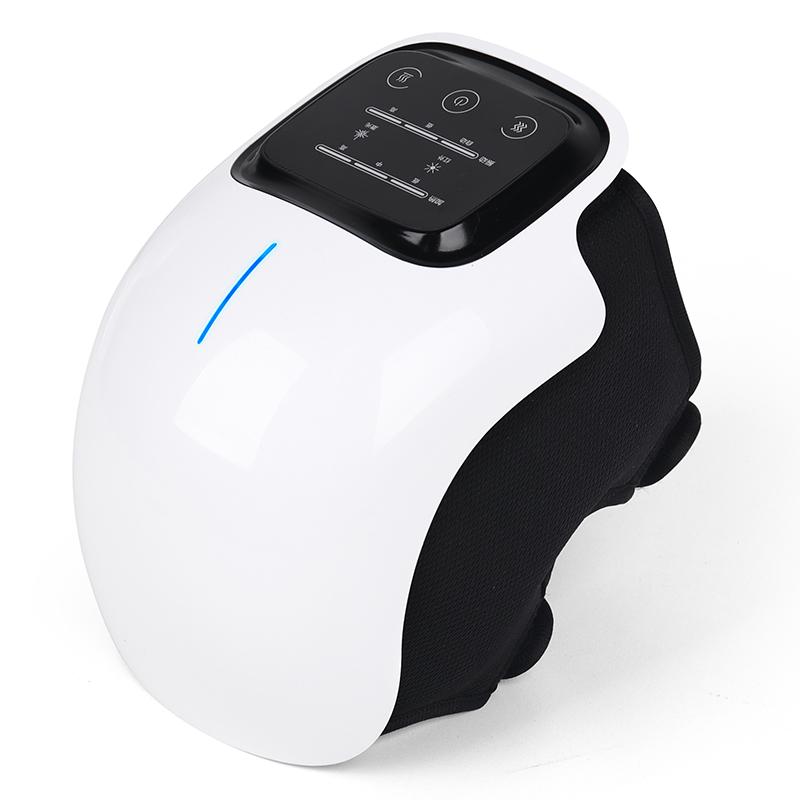
Build recovery into the same day
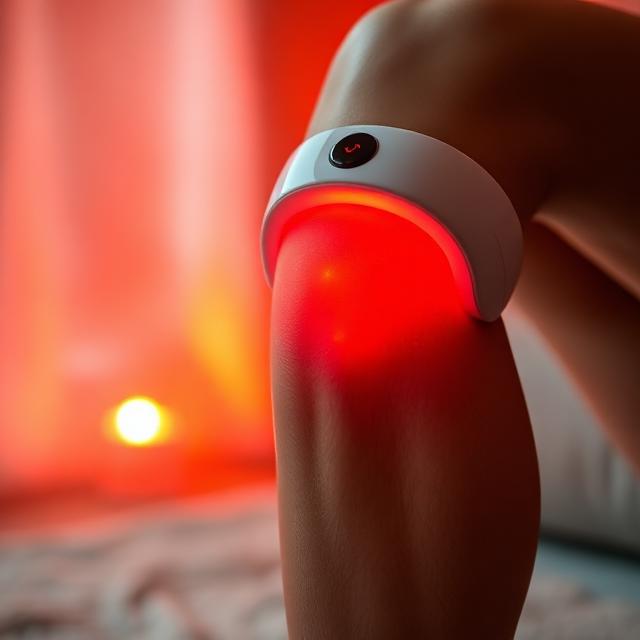
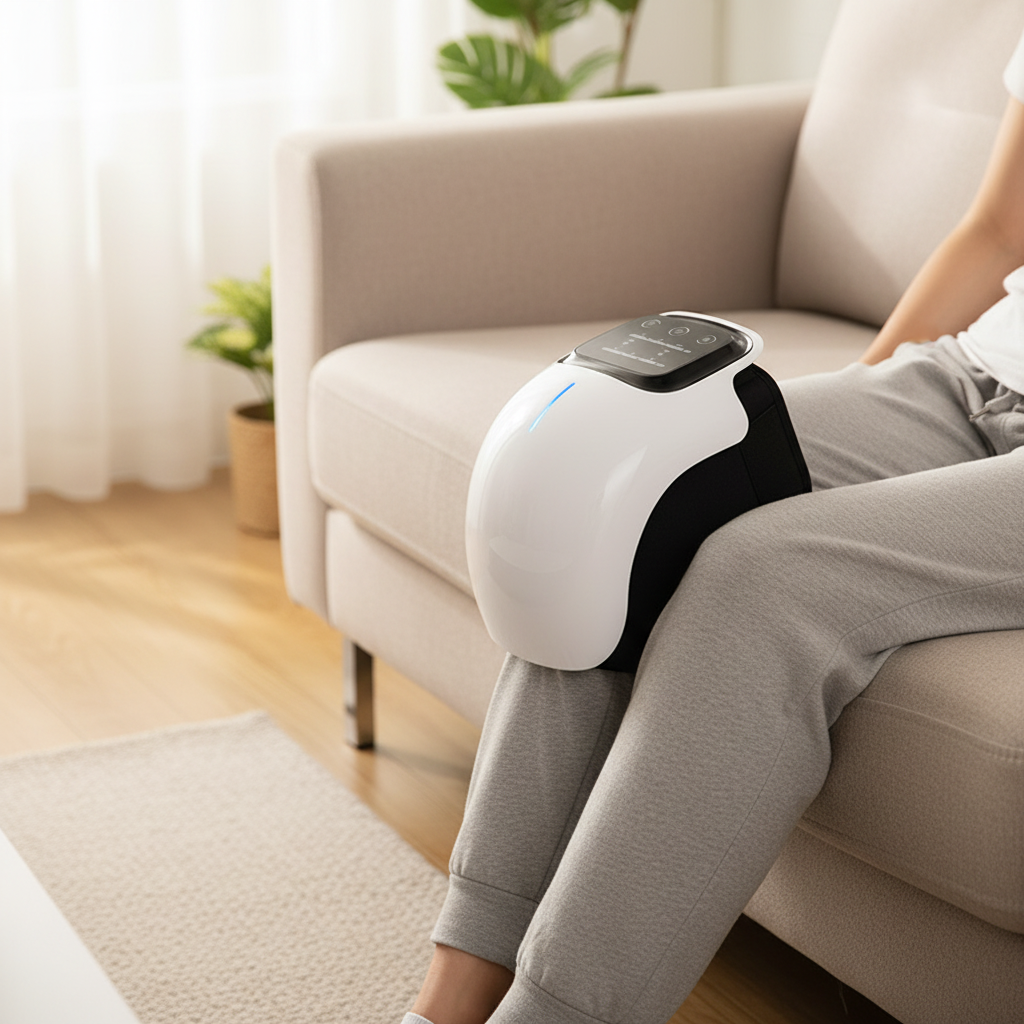
FlexiKnee offers a convenient warmth, red-light, and gentle-vibration routine for the non-swollen, stiff or achy pattern that appears after activity. It is a comfort tool, not a substitute for evaluating an injury.
View Full Product DetailsA 15-Minute Post-Exercise Wind-Down
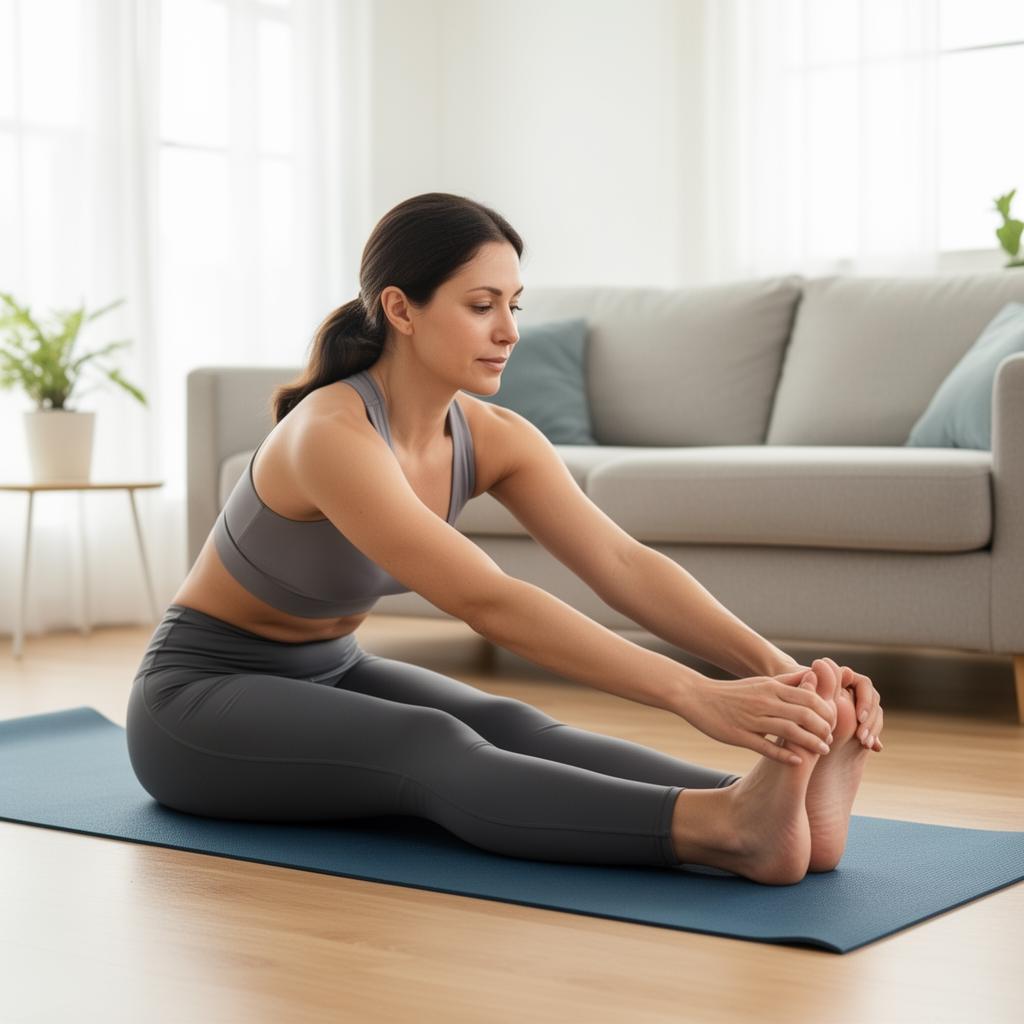
- Minutes 0–5: Finish with easy walking or light cycling instead of stopping abruptly.
- Minutes 5–8: Perform gentle, comfortable knee bends and ankle movements; do not force range.
- Minutes 8–12: Use relaxed quadriceps, calf, and hamstring mobility without aggressive stretching.
- Minutes 12–15: Note what you did — duration, intensity, hills, weight, repetitions, and any footwear change.
Later that day, avoid remaining in one position for hours. Brief movement breaks can be more helpful than one long stretch. For a fuller sequence, see our knee recovery exercises after a workout.
Heat, Cold, or Neither?
Choose based on the presentation rather than a rigid rule. A knee that is visibly swollen or newly irritated may feel more comfortable with a brief cold application. A non-swollen knee that feels stiff after cooling down may prefer gentle warmth. Some people need neither and respond better to light movement.
Protect the skin, use moderate temperatures, and limit the session according to the product instructions. Do not sleep with a heating device, and avoid heat when sensation is reduced. Our heat versus ice guide gives a more detailed comparison.
Decide What to Do at the Next Workout
Train as planned
Everyday walking and stairs feel normal, there is no swelling, and the ache settled quickly.
Modify the session
Mild discomfort remains, so reduce volume, depth, load, hills, or impact and choose familiar movements.
Stop and assess
There is swelling, instability, locking, sharp pain, loss of motion, or difficulty bearing weight.
Track the Pattern for Two Weeks
A simple log is more useful than guessing. Record the activity, duration, surface, footwear, effort, when discomfort began, its location, whether swelling appeared, and how the knee felt the next morning. Look for repeatable triggers rather than one isolated bad day.
Change one major variable at a time. For example, reduce hill work while keeping distance similar, or keep the workout but return to familiar shoes. If several variables change together, you will not know which one mattered.
When Delayed Pain Needs Professional Attention
Seek prompt medical assessment after a significant twist, fall, or impact; when you cannot bear weight; when the knee is clearly deformed; or when swelling develops rapidly. Arrange a non-urgent assessment if symptoms persist, repeatedly worsen, disturb sleep, or interfere with ordinary walking and stairs.
Locking, repeated giving way, redness, marked warmth, fever, calf swelling, or unexplained shortness of breath are also reasons not to rely on a recovery routine alone. These signs require appropriate professional evaluation.
Bottom Line
A knee that feels fine during exercise but aches later is often reporting the total load only after warmth, movement, attention, and temporary pain modulation have faded. Use the response to adjust the next session rather than assuming the workout was either completely safe or seriously damaging.
Cool down gradually, avoid long periods of immediate sitting, track location and timing, and progress activity according to how the knee behaves over the following 24 hours. Mild and improving symptoms can often be managed with sensible modification. Progressive, swollen, unstable, or injury-related symptoms deserve assessment.
Sources and Further Reading
- Exercise-induced hypoalgesia in people with knee osteoarthritis (2016)
- Review of exercise-induced hypoalgesia in healthy adults (2021)
- Running-distance progression and injury risk in novice runners (2014)
This article is educational and cannot determine the cause of an individual's knee pain. Seek appropriate medical care for severe, persistent, worsening, or injury-related symptoms.