Look at the class you actually rode
Indoor cycling knee pain often becomes a discussion about saddle height before anyone asks what happened in the class. Was it your first ride in months? Did you follow every resistance cue? Were there repeated standing climbs or a sprint finish? Did you ride again later because the bike was conveniently nearby? Those questions belong beside equipment checks, not after them.
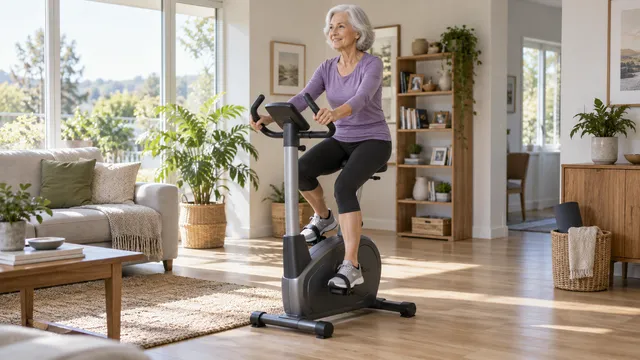
Peloton is one example of a guided indoor platform, but the same reasoning applies to studio spin classes and other home bikes. Their controls, resistance scales and pedal systems are not necessarily interchangeable. A number that feels moderate on one bike may not represent the same demand on another. Avoid transferring a friend's settings simply because your height or fitness seems similar.
This article focuses on class structure and training decisions. For a broader discussion of positioning, use our cycling knee pain and bike-fit guide. The two pages answer different questions: whether the bike is reasonably suited to you, and whether the session you choose is appropriate for your current capacity.
Record when the discomfort appears
A symptom that begins only during repeated heavy climbs is not the same observation as discomfort throughout an easy warm-up. Pain when unclipping, soreness after leaving the bike and stiffness after sitting later should also be recorded separately. This does not diagnose the cause, but it gives a fitter or clinician a more useful history than simply saying that spinning hurts.
| When it happens | What to record | What not to assume |
|---|---|---|
| During heavier seated efforts | Resistance, pace, duration and recent changes | The knee only needs a higher saddle |
| During standing transitions | Control, fatigue, technique and prior experience | Standing is compulsory to complete the class |
| When clipping out | Pedal model, release action and side affected | More force is the correct solution |
| Later that evening | Total class minutes, other exercise and swelling | No pain during class means the load was suitable |
Write down whether this is a new symptom or a familiar issue already being managed. A previously diagnosed condition may come with specific exercise restrictions or monitoring advice. Those instructions take priority over a general class adaptation. If the pattern has changed substantially, do not assume an old diagnosis explains the new situation without checking.
Resistance and cadence need to make sense together
Resistance is not meaningful in isolation. Pushing slowly against a heavy setting feels different from turning the pedals faster against a manageable load. Neither a high cadence nor a low resistance number is a universal treatment for knee pain. The aim is a controlled, suitable task, not winning an argument about the one perfect revolutions-per-minute target.
If you cannot maintain a smooth movement without straining, rocking or chasing the instructor, the requested combination may not suit you today. Adjusting the session is a legitimate use of a training tool. However, if pain is worsening or motion is altered, stop rather than searching for a magical setting that lets you finish at any cost.
At the other extreme, removing so much resistance that the pedals feel uncontrolled can create another problem. Understand the bike's instructions, including its braking system and whether the flywheel continues to drive the pedals. Before your first session, learn how to stop safely without trying to step off a moving bike. Ask a qualified instructor for help if the mechanism is unfamiliar.
Standing climbs are optional, not an entry requirement
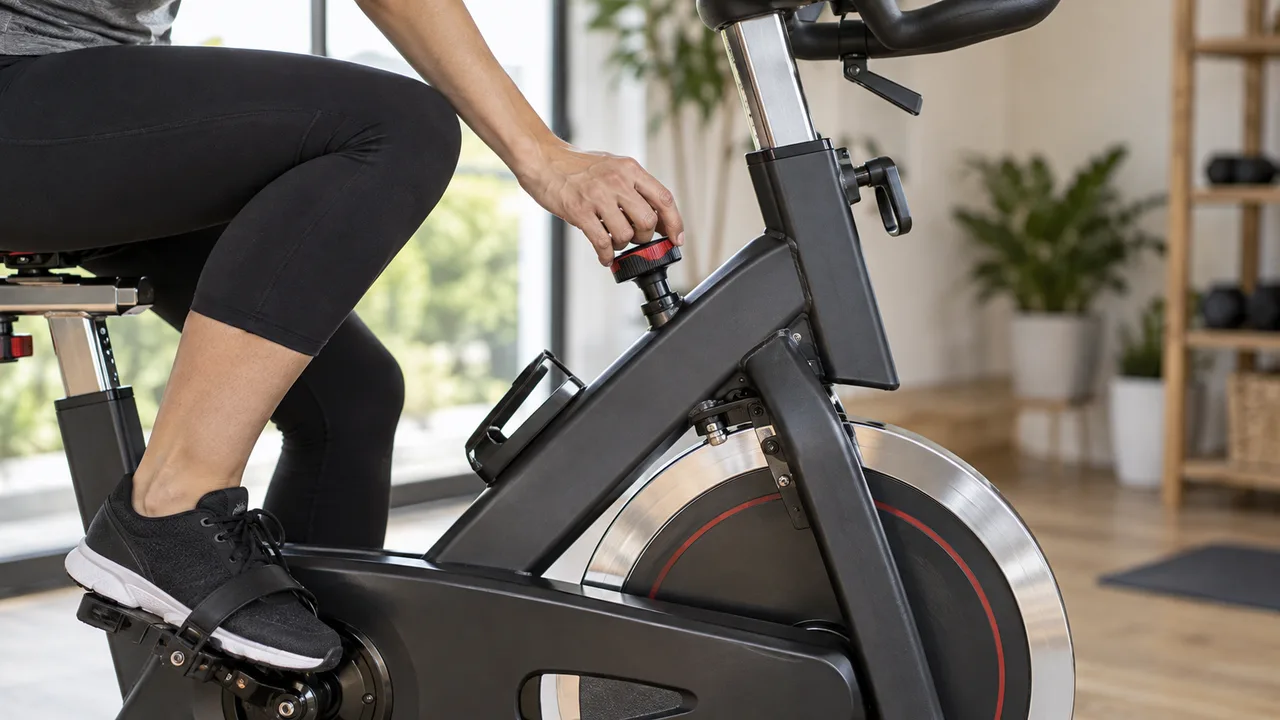
Standing changes how you support yourself and apply force. It also introduces a transition that may become less controlled when you are tired. If you are new to indoor cycling, do not confuse the ability to stand briefly with tolerance for repeated long climbing intervals. Build familiarity with the bike before treating every instructor cue as a mandatory test.
Remaining seated may be a useful modification when appropriate, but simply staying seated at the same demanding resistance is not necessarily an easier alternative. Consider the whole task, including effort and duration. Tell a studio instructor before class if you need alternatives, and choose home sessions whose format allows you to work within your limits without constant pressure to catch up.
Do not use the handlebars to pull yourself through a painful movement or bounce repeatedly between seated and standing positions to keep pace with music. A rhythm-based class can make transitions feel automatic. Your body still needs to manage each one. If a particular action reliably provokes symptoms, remove that action from the session and discuss the pattern with an appropriate professional.
Class stacking can hide a large increase
A ten-minute warm-up, a thirty-minute class and a ten-minute cooldown add up to fifty minutes on the bike. Add an evening recovery session and the day's exposure is no longer the thirty minutes you remember booking. The point is not that extra minutes are inherently harmful. It is that a meaningful increase should be visible when you assess the week.
Count off-bike training as well. Lunges in a strength class, a long walk and physically demanding work can sit beside the cycling session. A streak or badge rewards participation, not a personalized balance between load and recovery. You can preserve the habit of setting aside exercise time while choosing an appropriate different activity or a recovery day.
Review the recent change rather than imposing an arbitrary maximum on everybody. Someone accustomed to frequent riding differs from someone returning after illness or a long break. If several variables rose together, such as longer classes, harder resistance and more days, a simpler schedule makes the response easier to understand. There is no guaranteed safe weekly percentage increase.
Choose classes by their demands, not only their labels
Beginner, low impact, recovery and endurance are useful descriptions, but they are not interchangeable across instructors and platforms. Read the session details and consider what you will actually do. A long seated class can still create a substantial workload. A short class can contain repeated intense efforts. A familiar session may be easier to modify than a new competitive format.
| Class feature | Useful question | Possible adjustment |
|---|---|---|
| Long duration | Have I recently tolerated this much continuous riding? | Choose a shorter familiar session |
| Repeated heavy climbs | Does this action reproduce my symptoms? | Select a different format rather than forcing every interval |
| Frequent standing | Can I transition with control when tired? | Use an appropriate seated alternative or omit the class |
| Leaderboard emphasis | Will comparison override the plan? | Hide competitive metrics if that helps you keep your limits |
Write your intended limit before starting. It is easier to choose a manageable session calmly than to negotiate with yourself during a motivating final song. If you consistently exceed the plan, change the environment or class format. A sustainable indoor routine should not depend on resisting the same predictable pressure every evening.
Recheck setup when people share the bike
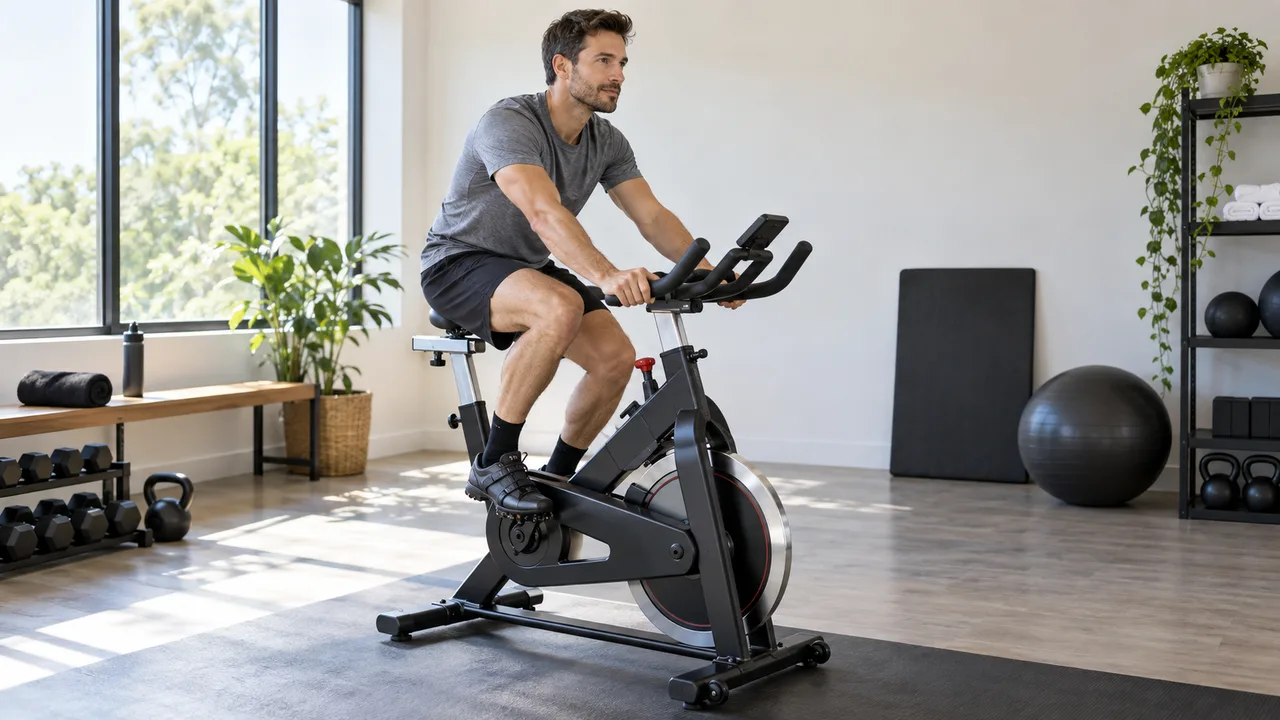
A home bike used by several people needs a reliable setup routine. Record your own established seat and handlebar positions, confirm that the adjustment mechanisms are secure and check that another rider has not changed the pedals or straps. Marks and numbers are useful records, but they do not establish a correct fit if the original position was never comfortable.
Avoid making a series of large changes based only on the location of pain. A front-of-knee symptom does not prove one exact saddle error. Research shows that cycling parameters influence knee movement and forces, but direct links to injury risk are less certain. Persistent problems call for a qualified assessment rather than repeatedly applying a simplified pain-location formula.
Consider shoes and contact points too. Excessively tight straps, incompatible cleats or a foot that is forced into an uncomfortable angle can undermine an otherwise sensible session. Do not modify cleats or pedal mechanisms beyond the manufacturer's instructions. Our cleat float and compatibility guide explains why release tension and rotational movement are different things.
Make the room support the session
Check that the bike stands on a stable surface with enough room to mount, dismount and stop safely. Keep children, pets and loose items away from moving parts. Place water and a towel within safe reach rather than repeatedly twisting off the bike. These are practical preparations that reduce distraction; they do not replace fitting the bike or choosing an appropriate workload.
Ventilation and the room's temperature can change how demanding a session feels. If you are unusually uncomfortable or fatigued, do not interpret the display as a reason to ignore that experience. The bike measures selected aspects of the workout, not your complete physical state. Plan sessions for a time when you can start calmly and finish without rushing straight into another demanding task.
Audio and screen placement matter to habits as well. A screen that draws you into competition can make a planned easy session harder to maintain. Choose the features that help your particular goal. If your current goal is establishing tolerance, completing a repeatable session is more useful than chasing a personal best that disrupts the rest of the week.
After class, assess rather than erase the response
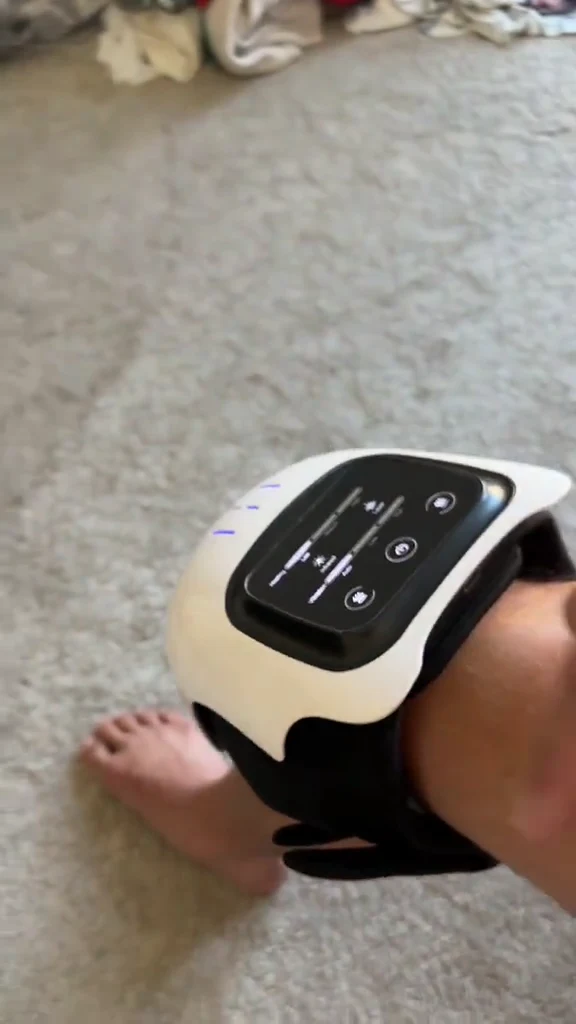
Notice walking, swelling and everyday movement after dismounting and later that day. An optional comfort routine should not be used to erase inconvenient evidence that the session was too much. A warm wrap or massage device cannot correct repeated overload or establish the cause of new pain. For suitable users it may simply be a pleasant part of an evening.
Do not apply heat to a newly swollen or unusually warm knee, and obtain advice if you have altered sensation, circulation problems or another relevant condition. Follow the device's instructions rather than increasing the temperature or duration in search of a stronger effect. For a broader plan, use our post-ride knee recovery guide.
Build a repeatable week instead of a perfect class
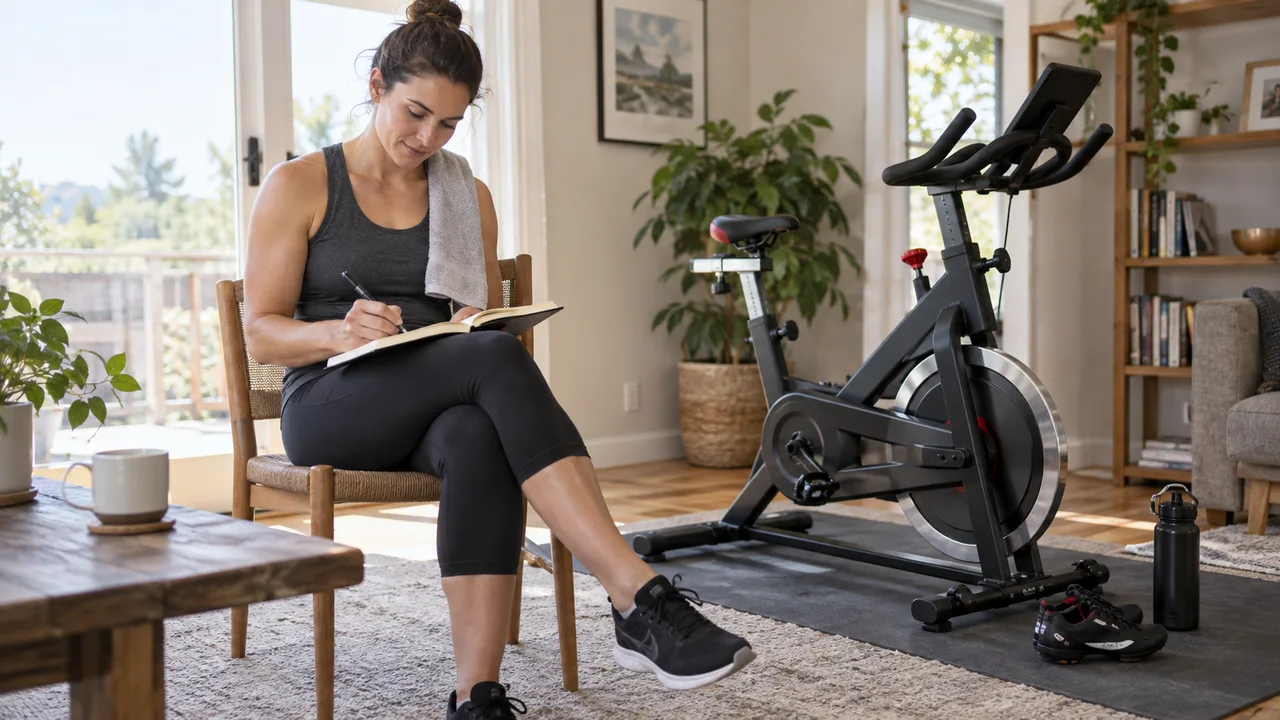
Consider a rider who managed two familiar sessions but developed discomfort after adding daily climbing classes. The first useful question is what changed in the week, not which accessory to order. A return to an appropriate, previously manageable format may be worth discussing with a clinician or coach. That example illustrates the reasoning process; it is not a diagnosis or a prescribed schedule.
Keep a few variables consistent while you learn what you tolerate. Record total minutes, notable intensity changes and the next-day response. When a week becomes manageable, progression can be considered in context rather than automatically adding another class. If the same symptoms continue despite reasonable adjustments, stop treating the problem as a scheduling puzzle and seek an assessment.
Strength work can belong in a cycling week, but adding a hard new leg routine on every non-bike day is not necessarily recovery. Our off-bike strength guide for cyclists focuses on that scheduling problem. Separate preparation, conditioning and comfort instead of asking a single class or device to do all three jobs.
When to stop adjusting and get help
Seek prompt advice for substantial swelling, locking, instability, severe pain or difficulty bearing weight. A hot red knee with fever or feeling unwell needs urgent attention. Repeated pain affecting daily function also deserves assessment, even if the bike display suggests that the workout was easy. Do not wait until you have tried every saddle position before asking for help.
Indoor cycling can remain an enjoyable, convenient activity when the bike and workload suit the individual. The most useful target is not completing every cue. It is a session you can repeat within an appropriate plan, without repeatedly sacrificing the next day's function to a leaderboard, a streak or an instructor's enthusiasm.
Worked example: a short class can still change the week
Consider an illustrative rider who replaces one longer outdoor ride with several short studio classes. Each class looks modest on the calendar, but several include repeated standing climbs and a competitive finish. If knee symptoms begin, the total weekly minutes alone may hide the change. The distribution of demanding efforts and the opportunity to recover between them deserve attention.
A useful review would list the class types, actual resistance choices, time spent standing and other leg training. It would also record whether the same bike and shoes were used. This separates a possible equipment change from a change in exercise demand. It does not prove which factor caused pain, but it makes a conversation with a clinician, fitter or qualified coach much more specific.
If exercise remains appropriate, choose a manageable comparison rather than testing the hardest class again to confirm the problem. The aim is a repeatable routine that fits your current capacity. A class badge, instructor cue or leaderboard position should not override an agreed health plan or a clearly worsening response.
Frequently Asked Questions
Why do my knees hurt after Peloton?
Possible contributors include a rapid increase in riding, high-resistance work, class duration, unfamiliar standing efforts and equipment setup. A symptom location does not identify one definitive cause, and persistent symptoms need assessment.
Should I lower resistance if my knee hurts?
Do not keep riding through worsening pain. If riding remains appropriate, a manageable resistance and controlled pace may be part of an adjustment. Very low resistance combined with uncontrolled spinning is not automatically safe or comfortable.
Are standing climbs bad for knees?
They change the task and can be demanding, but they are not universally harmful. A person who has not built tolerance or who has a relevant restriction may need seated alternatives or a different session.
Does inside knee pain mean my cleats are wrong?
No. Cleat setup is one possible consideration, but pain location alone cannot diagnose an equipment error or tissue injury. Review the history and obtain help rather than forcing a particular foot angle.
Can I stack low-impact classes every day?
Low impact describes a feature of the activity, not unlimited tolerance. Total minutes, resistance, other exercise and recovery still matter. Several easy-labeled sessions can create a substantial combined workload.
Is a knee massager useful after a spin class?
It can be an optional comfort choice for suitable users, not a correction for excessive class load or a treatment for an undiagnosed injury. Avoid heat on a new swollen or unusually warm knee and follow product and clinical guidance.