Begin with your knee pattern, not a shoe ranking
Two players can search for basketball shoes for knee pain while describing very different situations. One notices a general ache after adding another weekly game. Another felt a pop during a landing. The first may benefit from reviewing load and equipment together; the second needs injury assessment. A shopping list that treats them identically misses the most important decision before discussing any shoe feature.
Write down when the symptoms started, whether there was a particular incident, which movements provoke them and whether you notice swelling or altered walking. Then note any recent changes in shoes, court, minutes and intensity. If your knee locks, gives way, becomes markedly swollen or cannot comfortably bear weight, do not use a new shoe trial as the next diagnostic step. Our basketball knee pain guide explains the broader patterns.
Why basketball footwear is a different problem from running footwear
A basketball shoe has to cope with a player accelerating, braking, moving sideways and landing near other people. Its fit needs to remain secure through those changes. Comfortable straight-line jogging does not show whether the foot will slide across the footbed during a defensive shuffle or whether the heel will lift when changing direction. That is why court-specific testing matters.
Our running shoe guide covers a different activity. Do not transfer a running recommendation directly to basketball simply because both involve impact. The useful comparison here is between court shoes that fit your foot and playing environment. A shoe designed around basketball demands still needs to be comfortable for you; a category label is not a personal fit guarantee.
The four features to compare together
| Feature | Practical question | Misleading shortcut |
|---|---|---|
| Fit and heel security | Does the foot stay comfortably positioned when braking? | Choosing only by your usual size number |
| Cushioning | Does the platform feel comfortable and predictable? | Assuming the softest foam prevents knee pain |
| Lateral containment | Does the upper hold the foot during controlled side steps? | Judging support only by collar height |
| Court traction | Does the outsole work on the surface you actually use? | Equating a loud squeak with proven safety |
Think of these as a connected system. Excellent cushioning does not fix toes jammed against the front. A wide platform is not useful if your foot swims inside the upper. Strong grip is not permission to ignore a dusty or wet court. Comparing one dramatic specification while overlooking the rest is an easy way to buy a shoe that looks ideal on paper and disappoints in practice.
Brand and model comparison: strengths, trade-offs and scores
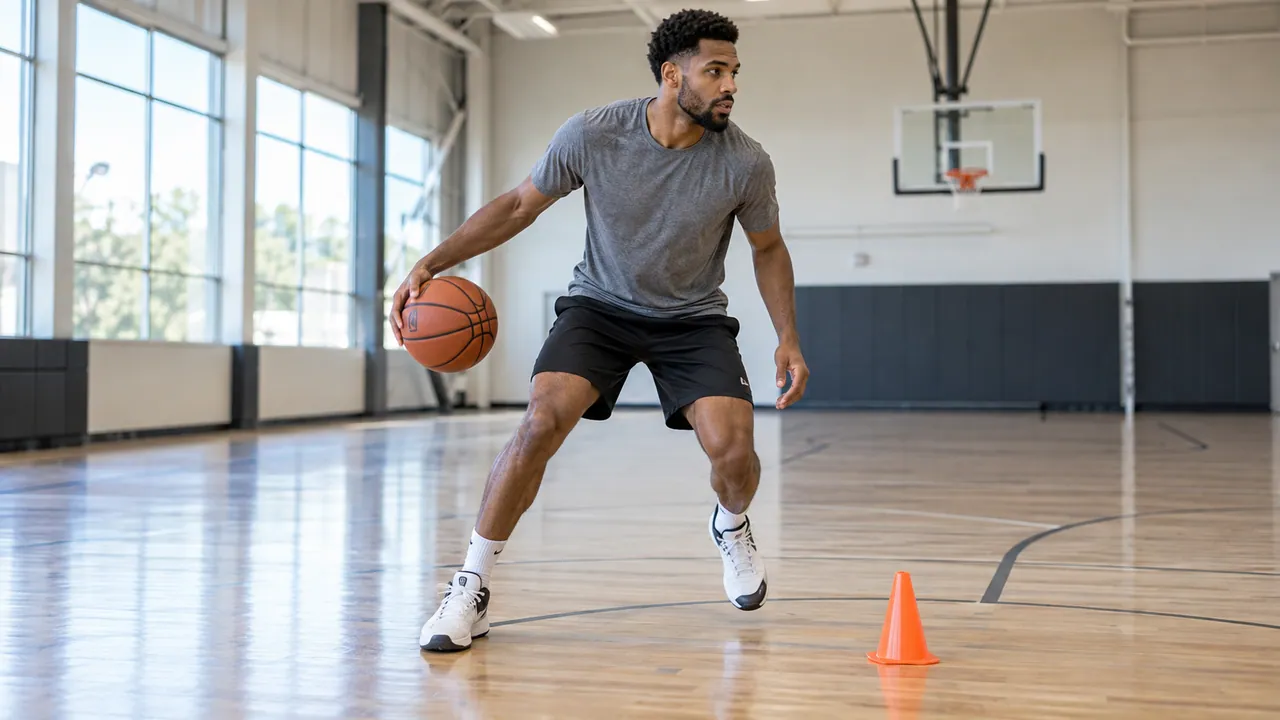
Compare eight models across Nike, Curry, ANTA, adidas, Li-Ning/Way of Wade, New Balance, PUMA and ASICS. These are specific designs, not a claim that one entire brand is good and another is bad. We checked the manufacturers' model descriptions on September 16, 2026. We have not worn or laboratory-tested these shoes. Prices, sizes and regional availability change, so none is presented as the cheapest or newest option. The guide photographs are illustrative, not photographs of the compared models.
How the score works: this is a documented-feature score out of five, not a comfort, traction-performance or knee-pain relief rating. Give one point for each clearly described item in the cited manufacturer reference: C, a named cushioning platform; Z, full-length, dual or specifically zoned cushioning; P, a plate or shank; H, a specific containment or heel-hold feature; and T, an outsole traction design. A generic rubber-material listing does not establish a traction design, and breathable mesh alone does not establish heel hold. Unconfirmed items earn no point, but that does not prove the features are absent.
The final column shows the total and the criteria that earned it. Rows run from highest to lowest score, with equal scores tied rather than assigned an invented winner. A lower score is not evidence of worse cushioning or grip. This measures what the reference documents, not laboratory quality; more elaborate marketing can therefore score higher. Use the individual columns and your fitting trial to make the buying decision.
| Brand / model | Cushioning setup | Plate and lateral support | Outsole and court check | Upper and fit check | Reason to compare / limitation | Feature score |
|---|---|---|---|---|---|---|
| Nike LeBron XXIII | Full-length ZoomX drop-in midsole. The cushioning unit sits directly under the foot. | Carbon-fiber shank and Crown Containment System. | Multidirectional tread. The release does not establish outdoor wear life or dusty-floor performance. | Engineered upper and soft lining. Check heel security with your normal socks. | Compare for: a full-length drop-in design with separate torsional support. Check: do not replace the structural drop-in with a generic insole. | 5 / 5C · Z · P · H · T |
| Curry 12 | Dual UA Flow midsole with two cushioning components. | Pebax midfoot and segmented forefoot plates; lateral TPU insert and TPU heel counter. | Flow outsole. No comparable dust or outdoor-durability test is supplied in the release. | Zonal mesh and articulated lace eyelets. Check pressure across the instep and heel hold. | Compare for: Flow cushioning with a segmented forefoot plate. Check: grip claims do not establish performance on your particular court. | 5 / 5C · Z · P · H · T |
| ANTA KAI 2 TEAM | Full-length A-FLASHEDGE cushioning. | Large nylon midfoot plate and reinforced KAI's Shield TPU sidewalls. | Cement Killer PRO outsole, explicitly positioned for outdoor courts. | Sidewall containment is specified; a width recommendation is not. Measure both feet before ordering. | Compare for: an explicitly outdoor-focused option. Check: TEAM is a separate model; do not transfer KAI 2 or SPEED specifications to it. | 5 / 5C · Z · P · H · T |
| adidas Anthony Edwards 2 | LIGHTBOOST and Lightstrike in a rim-and-core construction. | Propulsion plate plus articulated containment fangs. | Outsole pattern is not detailed in the cited release. Confirm the exact outsole and intended surface. | Containment is described, but width is not. Check side pressure during controlled lateral steps. | Compare for: combined foam, plate and containment construction. Check: do not infer superior grip from support specifications. | 4 / 5C · Z · P · H |
| Li-Ning / Way of Wade All City 13 | Full-length BOOM midsole. | TPU Euro Plate under the midsole. A separate heel-hold system is not specified in this reference. | Rubber forefoot and GCU rearfoot. The manufacturer describes indoor and outdoor use. | VAJRA SKIN upper; regular fit. This listing suggests half a size up for wide feet, subject to a fitting check. | Compare for: mixed-court use with a hybrid outsole. Check: this is All City 13, not Encore; confirm sizing and returns for your region. | 4 / 5C · Z · P · T |
| New Balance TWO WXY v5 | FuelCell combined with Fresh Foam X at the heel and ball of the foot. | Heel-supporting collar. A plate or shank is not specified in the cited release. | Tread design and outdoor suitability are not detailed in this reference. | Engineered mesh and cushioning around the toe box. Collar height is not proof of knee protection. | Compare for: zoned cushioning and a heel-hold collar. Check: missing specification detail is not a measured performance weakness. | 3 / 5C · Z · H |
| PUMA All-Pro NITRO 2 | NITRO SQD: softer inner foam and firmer outer foam. | PWR Print upper and forefoot cord lockdown extending toward the midsole. No plate is specified. | Rubber outsole is listed, but the page does not detail its traction pattern or outdoor wear life. | Regular fit. Check the forefoot cord tension without overtightening to force a secure fit. | Compare for: layered foam and a targeted lacing system. Check: regular fit does not guarantee enough width for your foot. | 3 / 5C · Z · H |
| ASICS GELHOOP V17 | FLYTEFOAM midsole. This reference does not identify a full-length, dual or zoned cushioning layout. | No specific plate or heel-lock system is described on this regional product page. | NC Rubber with outsole grooves. Surface-specific durability is not documented here. | Breathable, no-sew mesh. The cited Singapore version is standard D width; verify local sizing and availability. | Compare for: a mesh-upper alternative with named foam and rubber. Check: sparse specifications explain the score, not poor shoe quality. | 2 / 5C · T |
How to narrow the list: for outdoor sessions, ANTA KAI 2 TEAM and Wade All City 13 have explicit outdoor-use descriptions. For cushioning construction, compare LeBron's drop-in, Curry's dual Flow, PUMA's soft-core/firm-outer setup and New Balance's zoned foam. These are design-based starting points, not hands-on winners. A pair that crowds your toes, lets your heel slip or feels unpredictable is a poor choice for you even if it scores five out of five here.
The score deliberately excludes injury-prevention claims, customer stars, price and celebrity endorsement. We have no head-to-head clinical evidence that these models reduce knee pain better than one another. Compare the exact version and fit, not just the logo. Manufacturer references appear in Sources and Further Reading below, separately from the independent medical and biomechanics evidence.
Cushioning: comfortable impact is not a cure
Basketball footwear research examines how construction changes movement and loading. A systematic review considered features including cushioning, midsole hardness, collar height, traction, stiffness and mass. Its biomechanical findings are useful for understanding design trade-offs, but they do not identify a single shoe that treats all knee conditions. Short laboratory tasks are also different from months of recreational play with changing symptoms.
When trying a pair, notice whether the cushioning feels predictable rather than only soft. Ask yourself whether you can settle over the shoe without constantly shifting to find a stable position. Someone who enjoys a plush walking sensation may prefer a different balance for quick court movements. Neither preference automatically means one person's knees are being better protected than another's.
Do not use the height of the sole as a simple ranking system. The shape, fit and material behavior all influence the experience, and the same shoe can feel different to players of different body sizes and movement styles. If a retailer allows a suitable trial and return, that opportunity can be more valuable than another marketing term attached to the foam.
Check fit with the socks and supports you actually wear
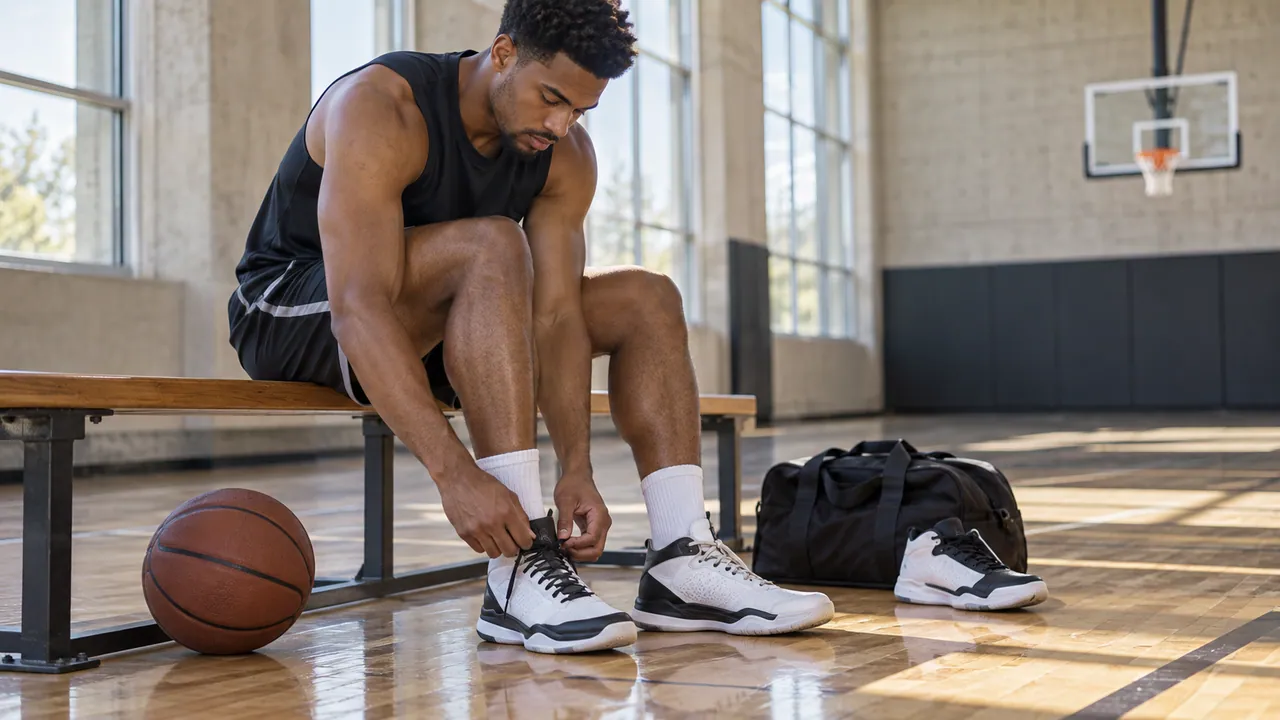
Try both shoes, properly laced, with your normal basketball socks. Stand and move enough to notice pressure at the toes, sides and top of the foot. A secure fit should not depend on crushing the forefoot with the laces. Your foot should also not slide forward every time you stop. Those are fit problems, not signs that the shoe needs a heroic break-in period.
Bring any clinician-prescribed insert or brace that you routinely use. Adding it later can change internal space and heel position. If one foot is larger or a previous injury changes how a shoe fits, compare both sides carefully rather than judging the pair from the easier foot. A specialist fitter can help when standard sizes repeatedly produce the same problem.
Record the actual fit issue when comparing pairs: heel lift, pressure over the little toe, cramped forefoot or a seam that rubs. This keeps the decision concrete. Saying that a shoe feels supportive is less useful than explaining how it holds the heel without squeezing the toes. Specific observations also make an exchange conversation much easier if the first pair does not work.
Lateral stability and high-top versus low-top shoes
Basketball discussions often reduce support to high-top versus low-top. That skips the way the entire shoe holds the foot. Pay attention to the upper, lacing, heel fit and platform during controlled lateral movement. A taller collar is a visible feature, but it cannot tell you by itself how secure the foot feels or whether the shoe is appropriate for a particular knee problem.
It is also important not to turn ankle-focused research into a knee claim. Evidence that a design changes an ankle movement in a test is not the same as evidence that it prevents an ACL injury or resolves pain around the kneecap. If you have a history of ankle or knee injury, discuss the equipment question with the professional managing your return rather than treating collar height as medical clearance.
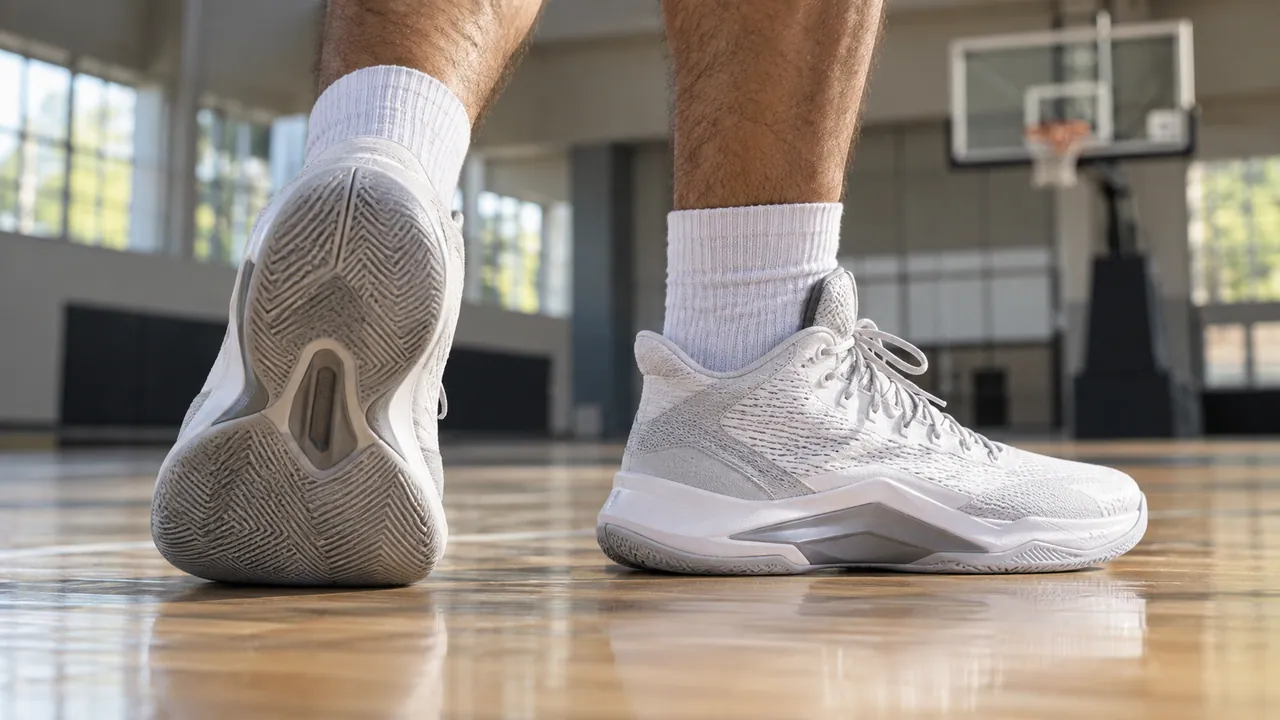
Traction, dust and indoor versus outdoor courts
Inspect the playing surface as well as the outsole. Dust, moisture, debris and worn areas can make a familiar court behave differently. Stop and address a visible hazard rather than expecting a new tread pattern to compensate. A shoe that feels secure on clean indoor wood may have a different experience on an outdoor surface, so describe your real court when seeking buying advice.
Follow the manufacturer's intended use and care guidance. Look for obvious outsole damage, separation or uneven wear. Avoid improvised sticky treatments that can create problems for you, the floor or other players. The goal is a predictable shoe-surface combination, not a contest to create the maximum possible grip in every direction. Basketball requires controlled movement, and equipment claims should not outrun that practical goal.
Where arch-support insoles fit into the decision
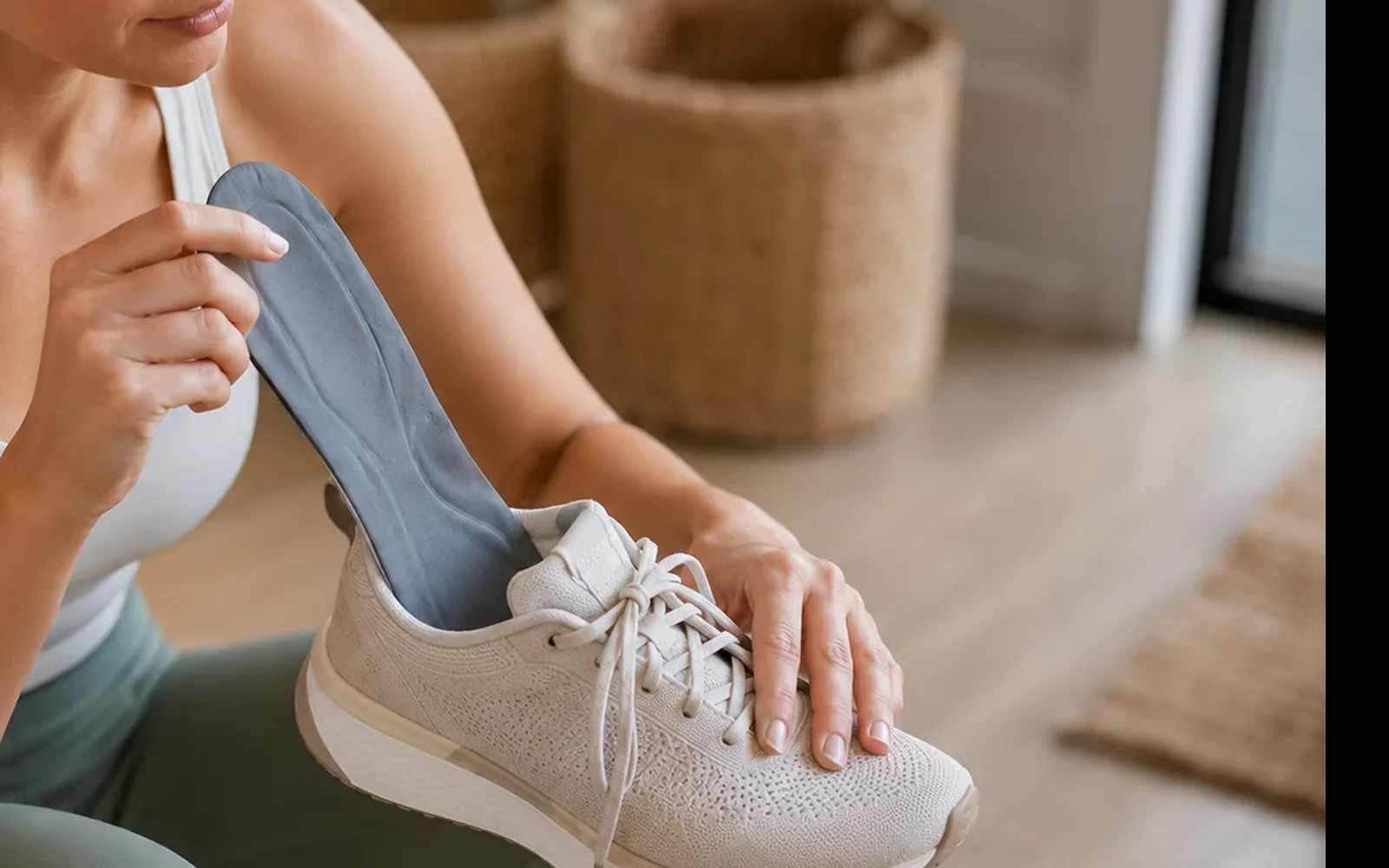
An insole may change underfoot comfort and the way a shoe fits, but it is not automatically needed because the knee hurts. Begin with the shoe itself. If the upper is too narrow or the heel is already poorly contained, filling it with another layer can make the fit worse. A compatible insert needs enough room and should not create new pressure or lift the heel out of its secure position.
Use the insert according to its instructions, including whether it replaces the original liner. Do not stack layers by default. If an insole requires trimming, check the guidance and sizing carefully before making an irreversible change. Keep any prescribed orthotic plan separate from experimentation with an over-the-counter comfort insert, and ask the prescribing professional if you are unsure about compatibility.
Our arch-support insoles can be compared as an optional underfoot comfort product when the shoe has suitable space. They should not be described as guaranteed treatment for patellar tendon pain or a way to prevent basketball injuries. Introduce one equipment change at a time so that a useful comfort improvement, or a new problem, can be linked to something specific.
A controlled first-session shoe trial
If your knee is suitable for activity, use a familiar light practice to assess the new pair. Begin with walking and easy shooting, then the gentle movement preparation you already tolerate. Gradually include controlled stops and side steps within your existing ability. Do not add maximal jumps or hard cuts merely to stress-test a purchase, particularly when you are returning after symptoms.
Check the shoe during breaks, immediately afterwards and when you resume ordinary walking later. Note foot pressure, slipping, rubbing and the knee's response. A pleasant first minute is useful information but not the entire result. If the shoe changes your movement because something hurts, stop the trial rather than deciding that discomfort is the price of adapting to a better design.
Keep practice duration and intensity close to a recent session you tolerated. Otherwise, a much harder workout can obscure the footwear comparison. For example, changing shoes on the same day you double your court time does not allow a fair conclusion about either change. The principle is simple: make the equipment trial boring enough that the observations are interpretable.
When to replace a pair and what to do with an old favorite
There is no single replacement calendar that suits every basketball player. Court surface, frequency, shoe construction and wear patterns differ. Inspect the outsole and upper, note changes in fit, and compare how the shoe now behaves with how it behaved when it was working well. Visible damage or a loss of secure fit matters more than an arbitrary number of months.
If your old pair is still safe and comfortable, keep it available while evaluating a replacement. Familiarity can help you describe differences, but avoid repeatedly switching between very different setups within one session and then drawing a firm conclusion about knee symptoms. When both pairs are worn or uncomfortable, a professional fitting may be more useful than buying the newest version of the same name.
What if your knees still hurt in new shoes?
Do not keep cycling through expensive pairs as the only response. Revisit the symptom pattern, basketball exposure, strength work and recovery between games. Pain below the kneecap during repeated jumping deserves a different conversation from a swollen knee after a twist. The jumper's knee guide and landing pain guide explain those boundaries without assigning a diagnosis from footwear preference.
For recurring symptoms, bring your shoes and a short activity history to an assessment. Explain what changed, what remained the same and which movements are difficult. That information is more actionable than saying that every shoe is bad for your knees. Footwear may still be part of the plan, but it is one part of a broader explanation rather than the only possible solution.
Compare two pairs without turning the trial into guesswork
When two shoes both appear suitable, write down the same observations for each. Include toe room, heel security, pressure points, lateral comfort and how the outsole behaves on your intended surface. Keep model names out of the first comparison if they distract you. A famous player's signature or a higher price can influence expectations without changing the fit problem you are trying to solve.
Ask the retailer what kind of trial is permitted and whether there are width options. If one pair only feels secure after extreme lace tightening, explain that rather than assuming you need to tolerate it. If another has comfortable cushioning but the heel repeatedly moves, record both the positive and negative features. A balanced description is more useful than trying to make a favored model win every category.
Consider the practical cost of ownership as well: whether the shoe is intended for your surface, how easily you can inspect and clean it, and whether you can replace it with a suitable fit when worn. This is not a recommendation to buy the cheapest pair. It is a reminder that a reasonable, well-fitting court shoe can be a better decision than a premium design chosen for a feature you cannot relate to your game.
Finally, set expectations before the first practice. The goal is a comfortable and secure footwear setup, not proof that knee pain has been cured. If symptoms remain, the comparison still has value because it removes some uncertainty about fit. Bring that information into the broader assessment rather than discarding it and starting an endless search for the one shoe that promises to fix every problem.
A better buying decision in five questions
- Does this pair fit both feet without pressure or sliding?
- Does the platform feel comfortable and predictable during familiar movement?
- Is the shoe intended for my court and style of play?
- Can it accommodate any needed insert without compromising fit?
- Am I also addressing symptoms and playing load rather than asking shoes to solve everything?
If you can answer those questions clearly, you have a more defensible choice than a generic best-shoe ranking. Combine suitable equipment with a consistent basketball warm-up and an appropriate amount of play. The aim is not to find a mythical pain-proof shoe. It is to remove avoidable fit problems while making sensible decisions about the knee and the game around it.
Frequently Asked Questions
What are the best basketball shoes for bad knees?
There is no universal best pair for every knee condition. Compare fit, comfortable cushioning, lateral containment and traction for your court, then consider your diagnosis and playing load. Brand rankings alone cannot establish what will suit your knee.
Can basketball shoes cause knee pain?
Footwear can change comfort and movement, but pain after a shoe change does not prove the shoe is the only cause. Review practice load, court surface, fit and the timing of symptoms. Persistent or concerning symptoms need assessment.
Is more cushioning always better for knee pain?
No. Cushioning is one feature among several, and a very soft feel may not provide the secure platform you prefer when cutting. Laboratory impact findings do not guarantee less knee pain or fewer injuries for every player.
Can I play basketball in running shoes?
Running shoes are not generally designed around the same repeated lateral containment and court-traction demands. Choose footwear intended for basketball and your playing surface rather than assuming a comfortable running shoe is interchangeable.
Should I add arch-support insoles to basketball shoes?
Only if they suit your needs and fit without crowding the shoe or lifting the heel out of its secure position. Follow the insert's instructions and seek professional advice for persistent symptoms. An insert is not a universal knee-pain treatment.
Do high-top basketball shoes protect the knees?
Collar height alone does not establish knee protection. Evaluate the whole shoe and avoid interpreting ankle-related biomechanical findings as proof that a high-top prevents knee injuries.