Define what returning actually means
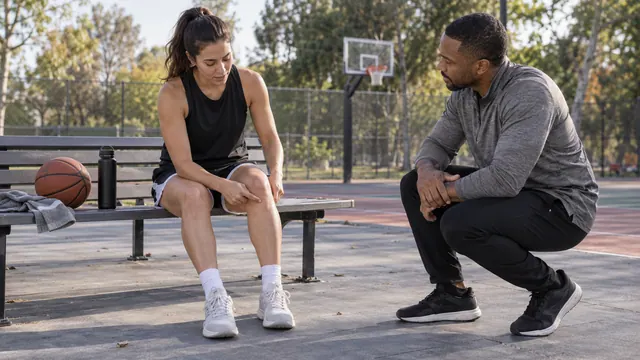
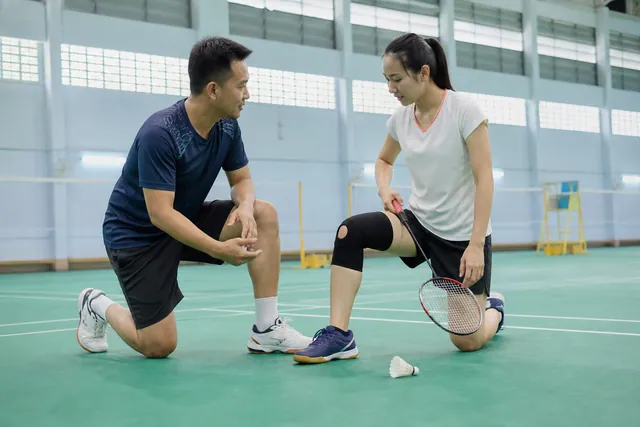
Returning can mean shooting alone, joining part of practice, playing limited minutes or performing at your former competitive level. These are not the same milestone. A useful sports-medicine framework distinguishes participation, return to sport and return to performance. For a basketball player, that means being back in the gym can be a positive step without implying readiness for every drill or a full game.
Write a specific goal with your clinician or coach: join non-contact ball work, tolerate a planned practice block, or eventually play a particular role in a recreational league. Specific goals make the next step easier to judge. Back to normal is harder to use because normal may include more running, jumping and contact than you remember from the last few comfortable minutes of an old game.
Start with the diagnosis and existing restrictions
A gradual load-related ache, a meniscus injury, a ligament reconstruction and a recent fracture require different plans. This article explains a general progression framework; it is not a post-operative protocol or a substitute for medical clearance. If a clinician has limited weight bearing, knee bending, running, jumping or contact, those restrictions remain in place even when another task feels comfortable.
New swelling, instability, locking or difficulty with ordinary walking should be assessed before experimenting with a court progression. If you have not established the cause of persistent symptoms, begin there. Our basketball knee pain guide helps organize the history. The purpose of a return plan is to build from an understood starting point, not to discover the diagnosis by seeing which drill hurts.
A court progression is based on criteria, not fixed days
| Stage | Basketball example | What needs consideration |
|---|---|---|
| Foundation | Everyday function and prescribed rehabilitation | Symptoms, movement, strength and clinical restrictions |
| Individual skills | Suitable stationary ball handling and easy shooting | Actual knee demand, including hidden jumps and pivots |
| Planned movement | Controlled running, stopping and changes of direction | Task quality and later response |
| Jump and react | Appropriate landing progressions and reactive drills | Readiness for speed, repetition and uncertainty |
| Team participation | Agreed practice blocks with clear limits | Contact, fatigue, confidence and communication |
| Competition | Managed game exposure | Ability to repeat the demands, not just pass once |
The table is a discussion aid, not a universal order that overrides your rehabilitation plan. Some elements overlap, and a clinician may delay or modify a task. Avoid adding a precise number of days to each row simply to make the plan look definite. A clear criterion and a review point are more meaningful than an attractive calendar that the knee cannot follow.
Stage one: establish a reliable everyday baseline
Before adding basketball demands, understand what the knee tolerates in ordinary life and prescribed exercise. Can you move as expected for your stage of recovery without new compensations? Is swelling stable or changing? Are you completing the agreed strength and movement work? These questions belong with the professional supervising rehabilitation, particularly after a significant injury or operation.
Keep a short baseline note rather than relying on memory. Include walking, stairs if appropriate, comfortable movement and any restrictions. This gives later court sessions something to compare against. If an apparently easy basketball session makes ordinary tasks worse afterwards, that matters even if you never experienced dramatic pain during the session itself. Function is part of the result.
Stage two: individual ball skills without hidden demands
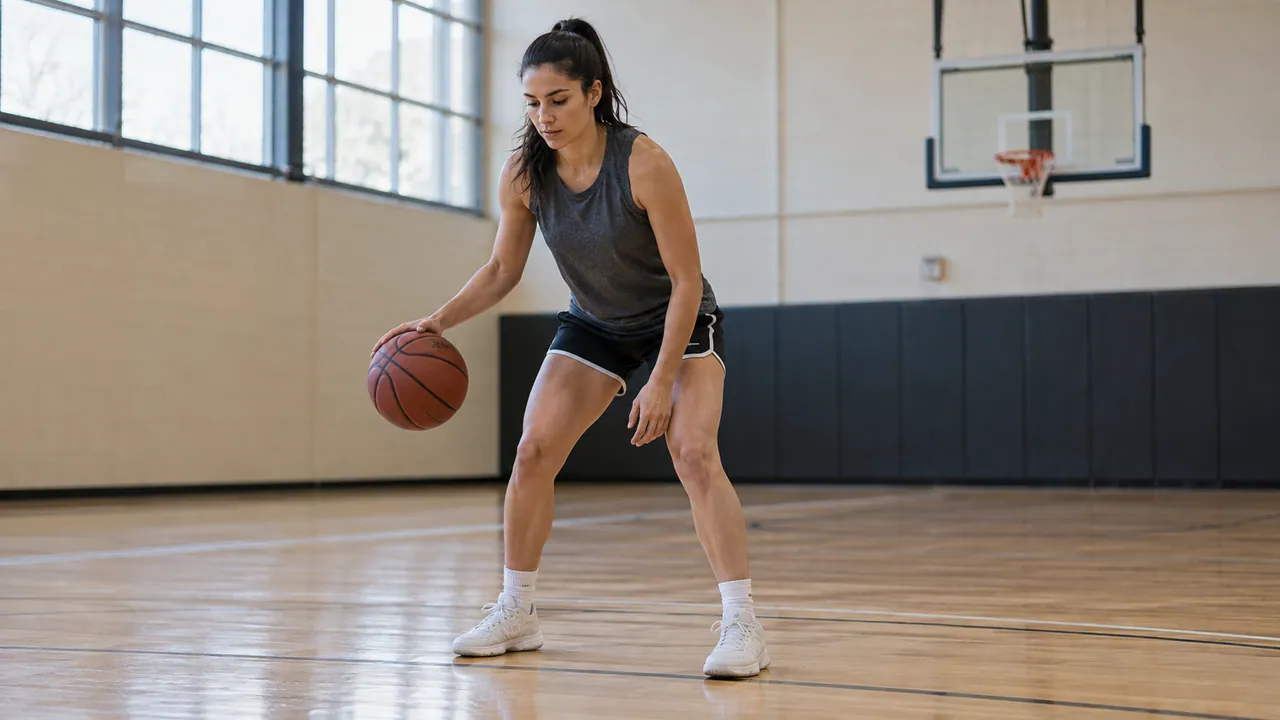
Individual practice can be a useful bridge when the selected activities are appropriate. Stationary dribbling, passing and a limited shooting task may allow participation without every demand of a game. But describe the activity accurately. Shooting can include repeated jumps, chasing rebounds and pivoting for the next ball. A session called easy can become demanding if nobody defines its boundaries.
Use a clear area and, where helpful, another person to return the ball so you are not constantly accelerating after misses. Agree which movements are included, how the session ends and what response would trigger a change. This is not about making practice timid. It is about making the dose and tasks visible enough that you can learn from them.
Stage three: running and braking are separate questions
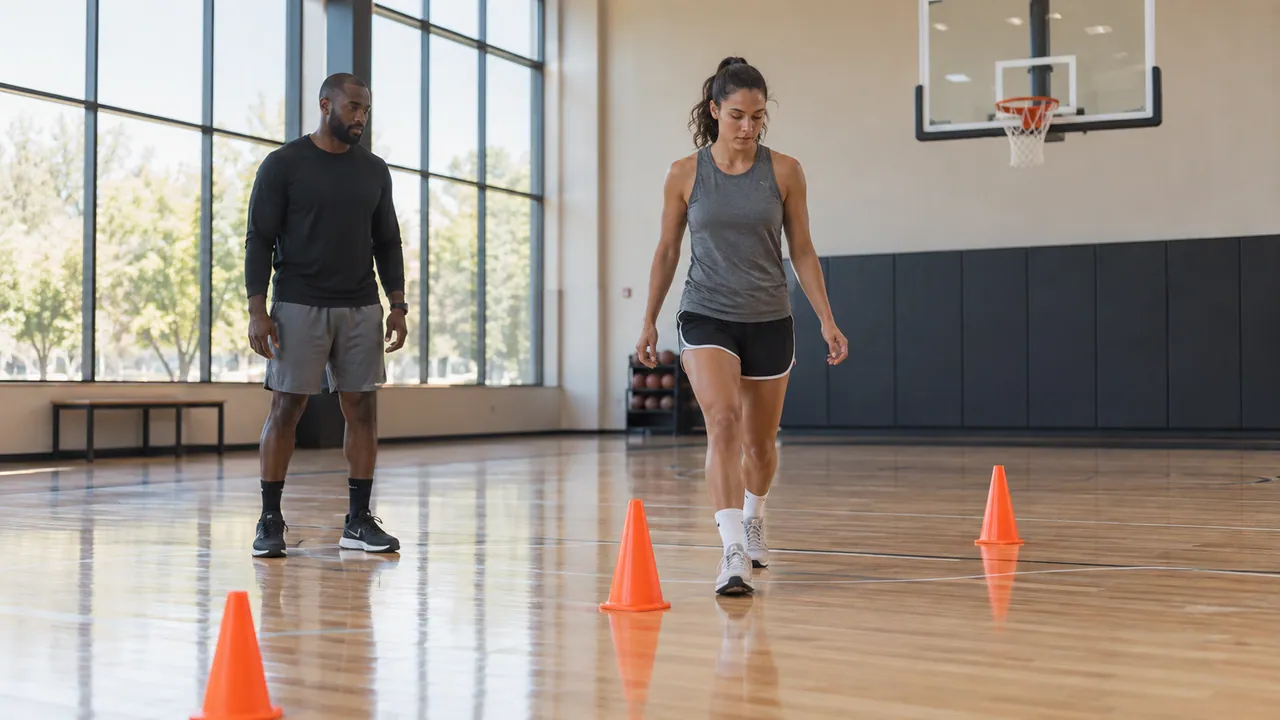
Being able to jog does not automatically show that you can stop sharply. Basketball repeatedly asks you to decelerate and set up another action. When running is appropriate, a clinician or coach can introduce the relevant tasks gradually, with enough space and a planned route. Do not turn the first running session into shuttle sprints because straight-line movement felt easier than expected.
Change one main demand at a time where practical: duration, speed, stopping intensity or direction. This makes a later symptom change easier to interpret. Adding longer running, harder braking and fewer breaks together creates a very different session, even if each individual change looks small. Progression should reflect the combined task rather than treating each line of the workout as independent.
Stage four: planned direction changes before unpredictable play
A planned path around cones lets you know where the next step will go. Reacting to a defender adds uncertainty and decision-making. These are different levels of complexity, and a return plan should acknowledge the difference. When appropriate, begin with controlled planned movement and build toward faster or reactive tasks under the guidance already established for your knee.
Do not judge readiness from a single successful turn. Basketball requires repetition, varied directions and the ability to maintain control as the session develops. Notice hesitation, avoidance of one side or a change in how you stop. Those observations are useful for discussion, not a reason to force the task until you can hide the difference. Confidence and physical capacity need room to develop together.
Stage five: reintroduce jumping and landing appropriately
Jumping belongs where your diagnosis and rehabilitation criteria place it, not wherever it looks convenient in a generic workout. A clinician may assess strength, movement and task tolerance before selecting landing progressions. The basketball goal eventually includes takeoff, landing, repeated jumps and movement after landing, but those elements do not have to arrive together on the first day.
Our landing pain guide separates painful incidents from recurring jump-related symptoms. If landing practice brings back swelling, giving way or significant pain, stop and review the plan. Do not treat a new shoe or sleeve as the solution that allows the same drill to continue unchanged. Equipment comfort and sports readiness are different questions.
Stage six: team practice with boundaries everyone understands
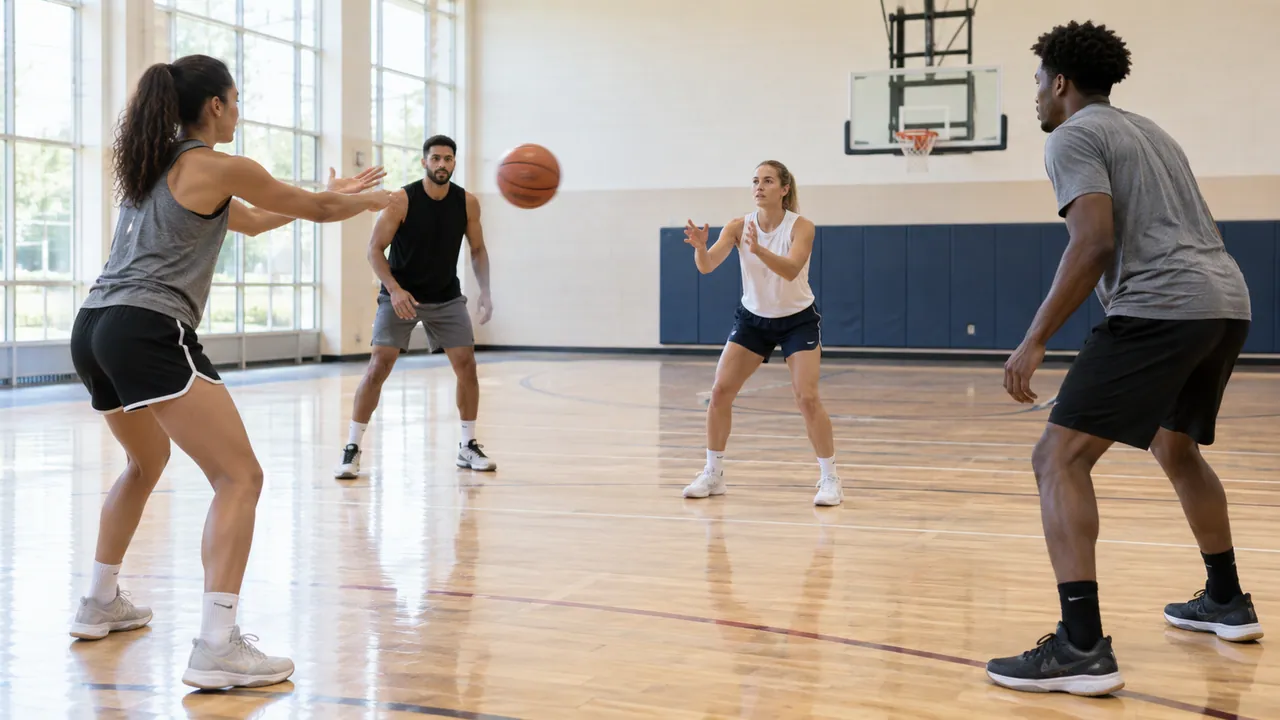
Team practice adds other people, variable pace and social pressure. Before joining, explain exactly which blocks you can complete and which remain restricted. Tell the coach or organizer when you need to stop rather than waiting until the group assumes you are available for everything. A planned exit is easier to follow when it is agreed before an exciting drill begins.
Non-contact does not necessarily mean low demand. A fast defensive drill without collisions can still involve hard cuts and repeated braking. Half court does not necessarily mean easy either; it can contain frequent rebounds and congested movement. Evaluate the actual actions, rest opportunities and duration instead of relying on the session label. That makes practice selection more precise and less dependent on guesswork.
Monitor the session and the response afterwards
A useful log records the main tasks, approximate exposure, symptoms and ordinary function later. Note whether you changed the planned session, such as staying for extra games or adding jumps while waiting for friends. That context prevents a surprising next-day response from appearing unexplained. You are trying to understand the workload you actually completed, not the one written down beforehand.
Agree with your clinician how to interpret symptoms and when to seek review. Do not borrow a pain threshold intended for someone else's condition. Persistent swelling, loss of movement, altered walking or worsening symptoms are important regardless of whether a number seems low. An acceptable session should fit within your individual plan and should not repeatedly undermine the everyday baseline you have rebuilt.
How to respond to a setback without starting from zero
A symptom increase does not automatically mean every previous gain has disappeared, but it should change the next decision. Identify what was added, reduce or pause the provoking task and seek advice when symptoms are persistent or concerning. Return to a known suitable level only when that fits your clinical plan. Do not punish the setback with either a harder test or a blanket assumption that basketball is impossible.
For example, a player may tolerate individual skills but struggle when reactive cutting is added. That suggests a useful review point: task complexity, speed, exposure or readiness for that stage. It does not prove the solution is simply another week of the identical drill. The plan should be adjusted based on the pattern, with reassessment when the response does not make sense.
Confidence, teammates and the first competitive minutes
Returning players often worry about the movement that originally hurt or about letting teammates down. Say that openly. A graded plan can include controlled exposure to feared tasks when appropriate, rather than relying on encouragement to stop thinking about it. If fear remains pronounced, discuss it with the rehabilitation team; confidence is not restored by pretending the concern does not exist.
When competition is appropriate, agree the initial exposure and substitutions in advance. A close score should not silently rewrite the plan. Also consider whether the setting allows sensible limits: an organized team may manage minutes more easily than an endless pickup run. Choose the environment that supports the return stage instead of measuring commitment by how difficult it is to leave the court.
Off-court comfort is separate from clearance
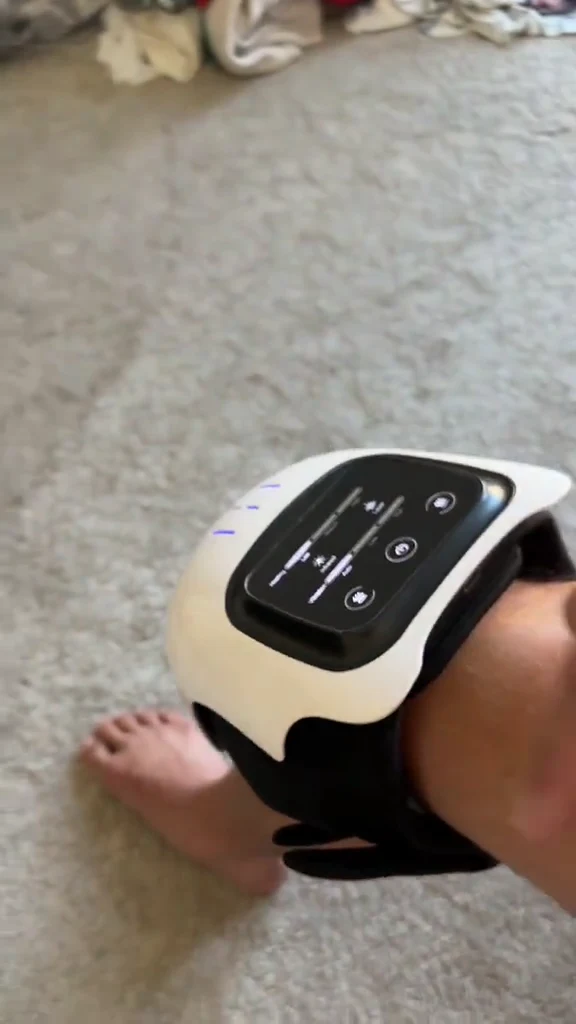
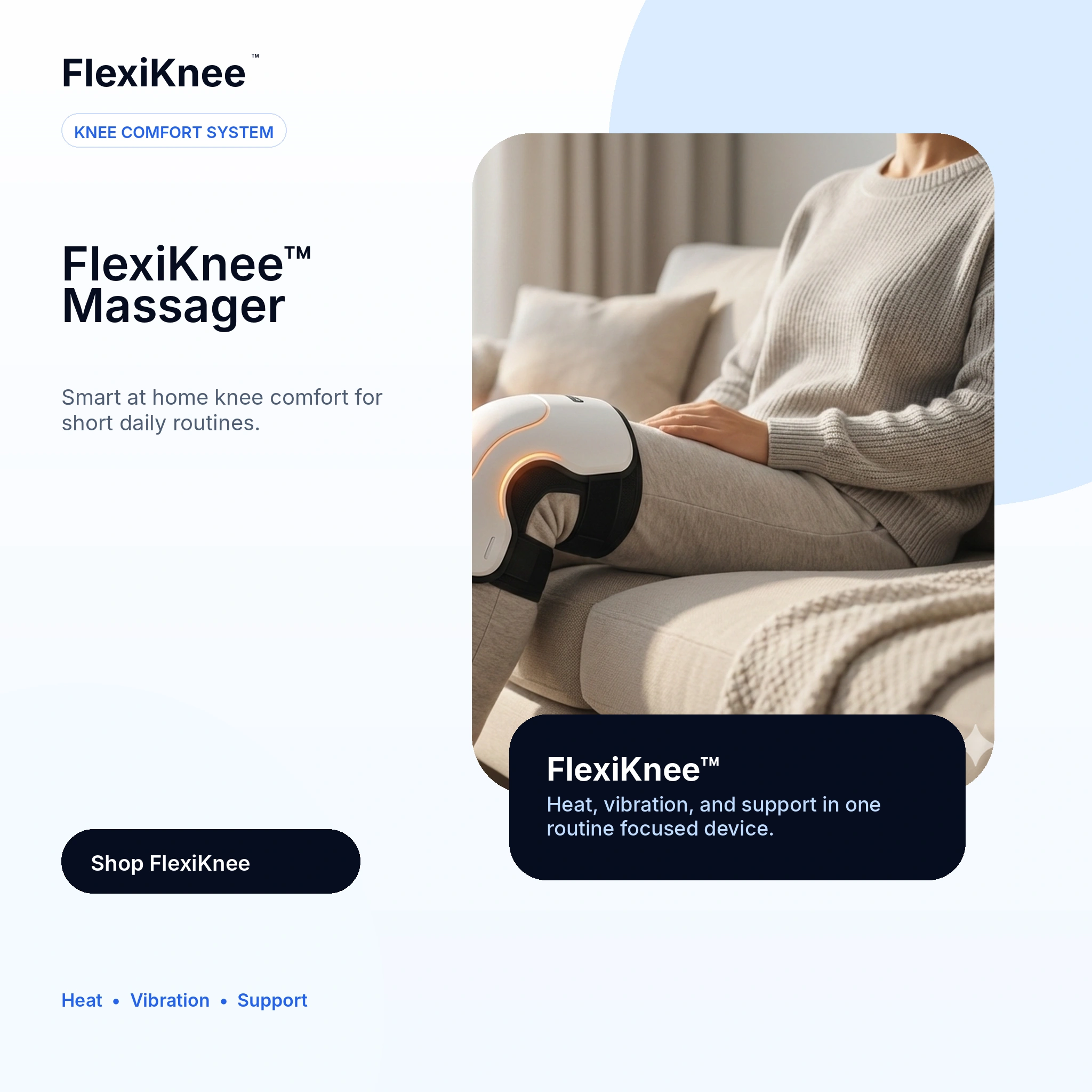
Some players prefer a quiet evening comfort routine between sessions. When warmth is suitable and there is no new injury, swelling or unusual heat, a device such as the FlexiKnee heated knee massager can be considered as an optional comfort tool used according to its instructions. It does not rebuild sport capacity, repair a ligament or certify that the next progression is safe.
Keep that distinction especially clear before testing. Do not use temporary relief from heat, massage-style vibration or another product to mask symptoms and pass a task you otherwise cannot tolerate. The video in the product card demonstrates device use, not basketball rehabilitation. If you are uncertain whether heat is appropriate for your condition, ask the clinician managing the knee before adding it.
Write a return-session agreement before arriving
A short written agreement can translate clinical advice into a session everyone understands. List the permitted tasks, the planned exposure, the tasks not yet included and the reasons to stop. Add who you will contact if the response is unexpected. This does not need to be a formal document; its value is removing ambiguity before the court, teammates and score make decisions harder.
For example, a player cleared for a particular individual practice can tell the organizer that they are attending for that block only, not joining a scrimmage afterwards. Another player may be ready for a limited team drill but not reactive defense. These examples do not prescribe a stage for your injury. They show how to communicate the stage your own clinician has already selected.
Include travel and the rest of the day when planning the review. A long drive home can delay the moment you notice stiffness, while a physically demanding shift afterwards can add another source of load. Record those circumstances so that later symptoms are not attributed automatically to one drill. The more accurately the session is described, the easier it is to decide whether to repeat, modify or reassess it.
At the next review, bring both successes and difficulties. Completing the planned work without extra tasks is a success even if teammates played longer. Equally, disclose an unplanned extra game rather than presenting the knee's response as unexplained. A return process works best when it is based on what actually happened. Honest information is more valuable than a perfect-looking log that leaves out the most demanding part of the day.
Keep the habits that support the return
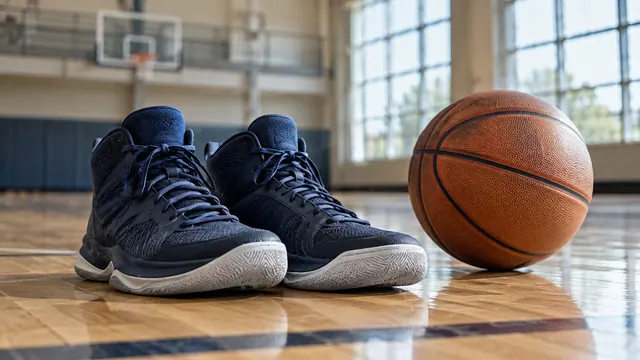
Continue the prescribed strength work and use an appropriate basketball warm-up rather than abandoning the routine as soon as games resume. Review shoes and any optional sleeve for fit, but avoid making equipment the main measure of recovery. The strongest plan is one you can repeat while ordinary life, practice and competition all remain manageable.
Returning to basketball is therefore a series of informed decisions, not one dramatic clearance moment. Know the starting point, progress the tasks that matter, review the later response and communicate the limits. The aim is not merely to appear in one game. It is to build a sustainable route back to the type of basketball you want to keep playing.
Frequently Asked Questions
When can I return to basketball after knee pain?
There is no universal date. The cause, symptoms, strength, movement control, response to basketball tasks and any clinical restrictions determine progression. A new injury or surgery requires the relevant clinician-led rehabilitation and clearance.
Is pain-free walking enough to play basketball?
No. Walking is a useful earlier milestone, but basketball includes repeated landings, braking, direction changes, contact and fatigue. Those demands need to be reintroduced appropriately.
Should I start with half-court basketball?
Half-court play may reduce some running distance, but it can still involve hard cuts, repeated rebounds and contact. Describe the actual demands rather than assuming half court is automatically an easy stage.
Can I use a knee sleeve to return sooner?
A sleeve may be optional comfort equipment, but it does not establish readiness or replace prescribed bracing and rehabilitation. Do not use a more secure feeling to override symptoms or clinical restrictions.
What if my knee feels worse the next morning?
A worse later response is important feedback even if the session felt acceptable. Reduce or pause the provoking progression and discuss persistent or concerning changes with your clinician, especially swelling, loss of movement or altered walking.
Can heat or a massager help me pass a return-to-play test?
Temporary comfort does not demonstrate sports readiness. A heat-based device may suit an approved off-court comfort routine, but should not be used to mask symptoms before testing or on a newly injured, swollen or unusually warm knee.