Start with the moment the knee changed
Before choosing stretches, a sleeve, or another pair of shoes, reconstruct the session. Did discomfort gradually build during several games, or did it begin with one awkward landing? Were you already limping before the final possession? A sudden injury and a slowly increasing ache need different decisions, even when both are described as knee pain after basketball.
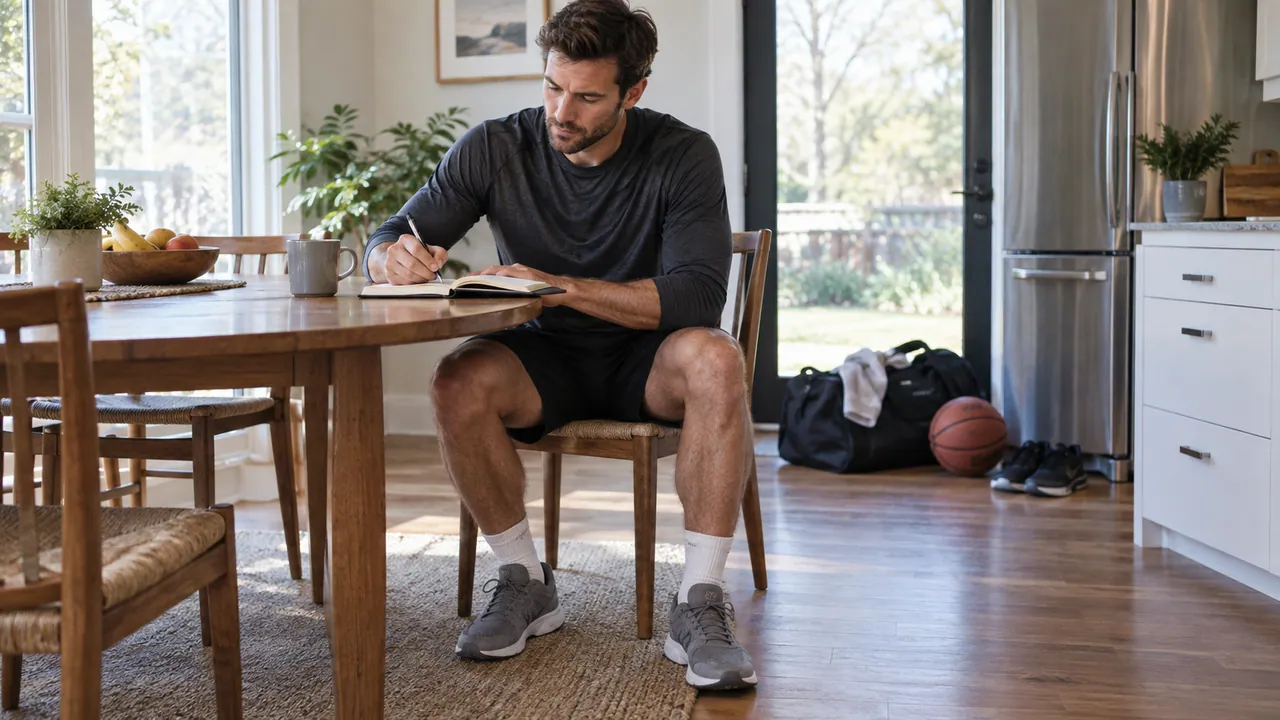
Think about the whole day rather than the scoreboard alone. Walking to the gym, a lower-body workout, shooting practice, and repeated games can all contribute to the day's physical demands. A short game after heavy leg training is not the same exposure as a short game after a restful day. That context helps explain why a familiar activity can feel different.
This is the starting guide for symptoms during basketball, after the game, and the following morning. It is not a diagnosis chart or a personalized rehabilitation prescription. If you already have an assessed tendon condition, the more focused jumper's knee basketball guide explains how to discuss jumping load and exercise progression.
Warning signs that change the plan immediately
Stop playing after an injury that leaves you unable to bear weight, unable to straighten the knee, or unable to trust it during ordinary walking. A visibly deformed knee, rapid substantial swelling, or a pop followed by instability calls for prompt medical assessment. Do not repeatedly squat or jump to find out whether the problem has gone away.
A hot, red knee with fever or feeling unwell also needs urgent medical attention. New calf swelling, warmth, or tenderness is not a routine basketball recovery issue; seek urgent advice, and emergency help if it accompanies chest pain or breathlessness. These symptoms should not be covered up with a tight sleeve or treated by experimenting with a massage device.
Less dramatic symptoms still deserve attention when they recur. Repeated giving way, true locking, persistent swelling, or pain that changes your walking can interfere with both basketball and daily life. A sports clinician can examine movement, strength, joint function, and the injury history. Online pain descriptions cannot replace that assessment.
Use timing to organize the possibilities
| Pattern | Useful question | Next step |
|---|---|---|
| One painful landing or twist | Was there a pop, swelling, instability, or loss of movement? | Stop and assess injury warning signs. |
| Ache building through games | Did minutes, jumps, speed, or fatigue increase? | Reduce the provoking exposure and review the response. |
| Pain after sitting down | Does normal walking or getting up now hurt? | Record function, not only pain at rest. |
| Next-morning symptoms | Is the knee swollen or more limited than before the game? | Do not progress the next session automatically. |
Pain that improves as you warm up can be misleading. It may be tempting to interpret the improvement as proof that more basketball is helpful, but the later response matters too. Conversely, an unfamiliar muscle ache does not automatically mean that you damaged the knee. The aim is to gather enough information to choose an appropriate activity level, not to label every sensation an injury.
Where it hurts: front, below, inside, or behind the knee
Pain around or behind the kneecap may be discussed as a patellofemoral pattern after examination. Pain concentrated just below the kneecap can raise a tendon-related question, especially with repeated jumping. These areas are close together, so pointing at the front of the knee does not reliably distinguish them. The history and examination provide information a photograph cannot.
Inside or outside pain after a planted-foot turn may need a different assessment from a gradual ache after extra court time. Back-of-knee symptoms also have several possible explanations. Use our knee pain location guide to describe the area clearly, not to select a diagnosis from a diagram.
Swelling adds another piece of information, but it is not a precise indicator of which structure is involved. Notice whether the whole joint looks fuller, one spot is tender, or the calf rather than the knee is swollen. If you are unsure what you are seeing, a clinician's examination is more useful than buying a support based on a guessed label.
Why a familiar pickup game can suddenly be too much
Pickup basketball is difficult to dose because the game decides the effort. A competitive opponent, repeated fast breaks, or a shortage of substitutes can turn a planned easy session into a demanding one. Count active playing time separately from time spent at the gym. An evening that includes long bench breaks may be very different from the same length of nonstop play.
Review changes in jump frequency, sprinting, defensive slides, and full-court coverage. Returning after a holiday or busy work period can also make your old schedule less appropriate. There is no universal percentage increase that guarantees safety. Start with an exposure you can repeat comfortably and change one main variable at a time rather than extending duration and intensity together.
Team practice and gym training belong in the same conversation. A demanding squat session followed by repeated rebound drills may leave little room to understand which exposure provokes symptoms. Write down both. This is particularly useful when the knee feels acceptable while exercising but becomes more difficult later, a pattern covered more broadly in knee pain after exercise.
What to change in the next basketball session
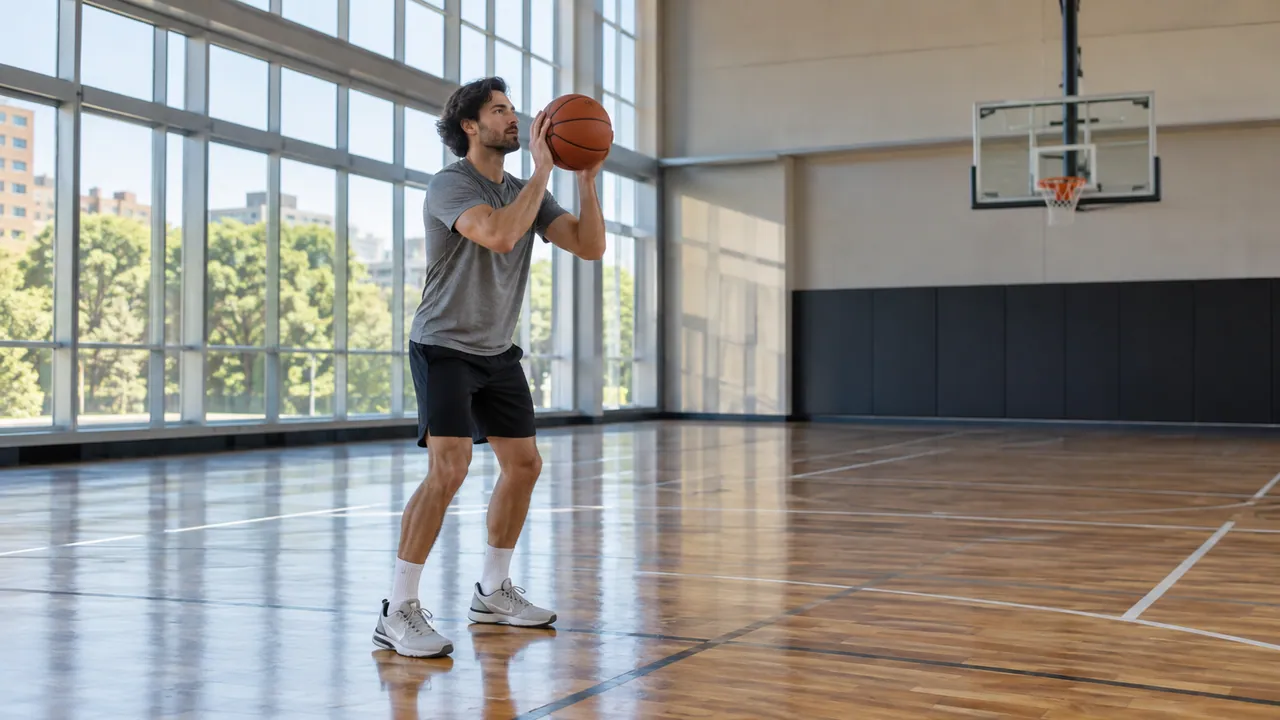
If warning signs are absent and ordinary activity is comfortable, consider a lower-demand session rather than immediately repeating the one that caused problems. Examples include stationary ball handling, relaxed set shots, or an agreed shorter practice without scrimmaging. These are examples of reducing exposure, not instructions to exercise through an unexplained painful knee.
Make the limit explicit before arriving. Tell your group that you are not adding another game just because the teams are uneven. Choose a practice partner who accepts the plan. A clear stopping point is easier to follow than a vague promise to take it easy while everyone else is playing at full speed.
Check the response during activity and again afterward. Increasing pain, altered movement, new swelling, or giving way means that the session is not an appropriate progression. If even a reduced session produces recurring symptoms, seek assessment instead of repeatedly making small equipment changes. The useful outcome is a more tolerable knee and better function, not simply completing the planned minutes.
Cold, warmth, and comfort products have limited jobs
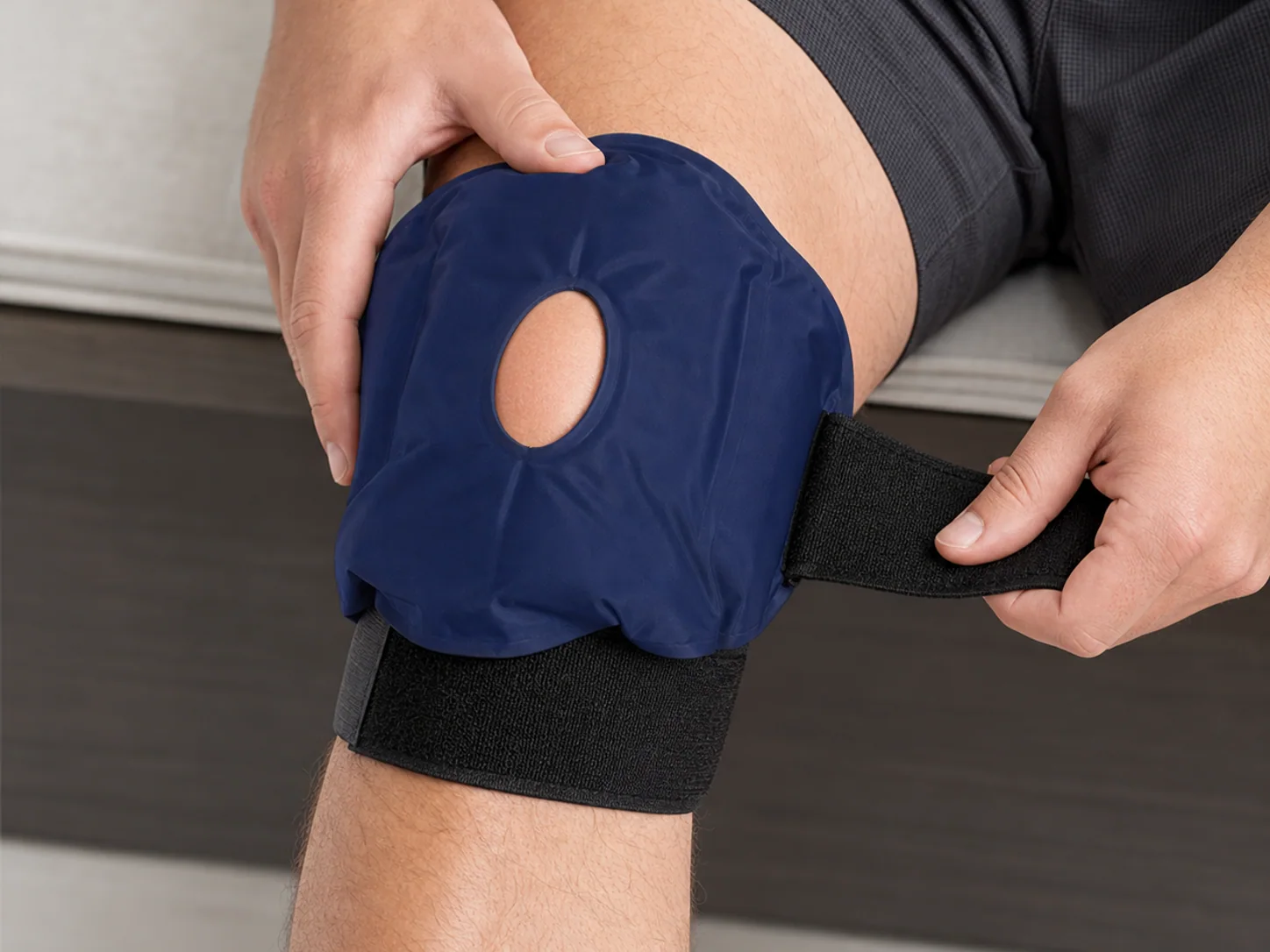
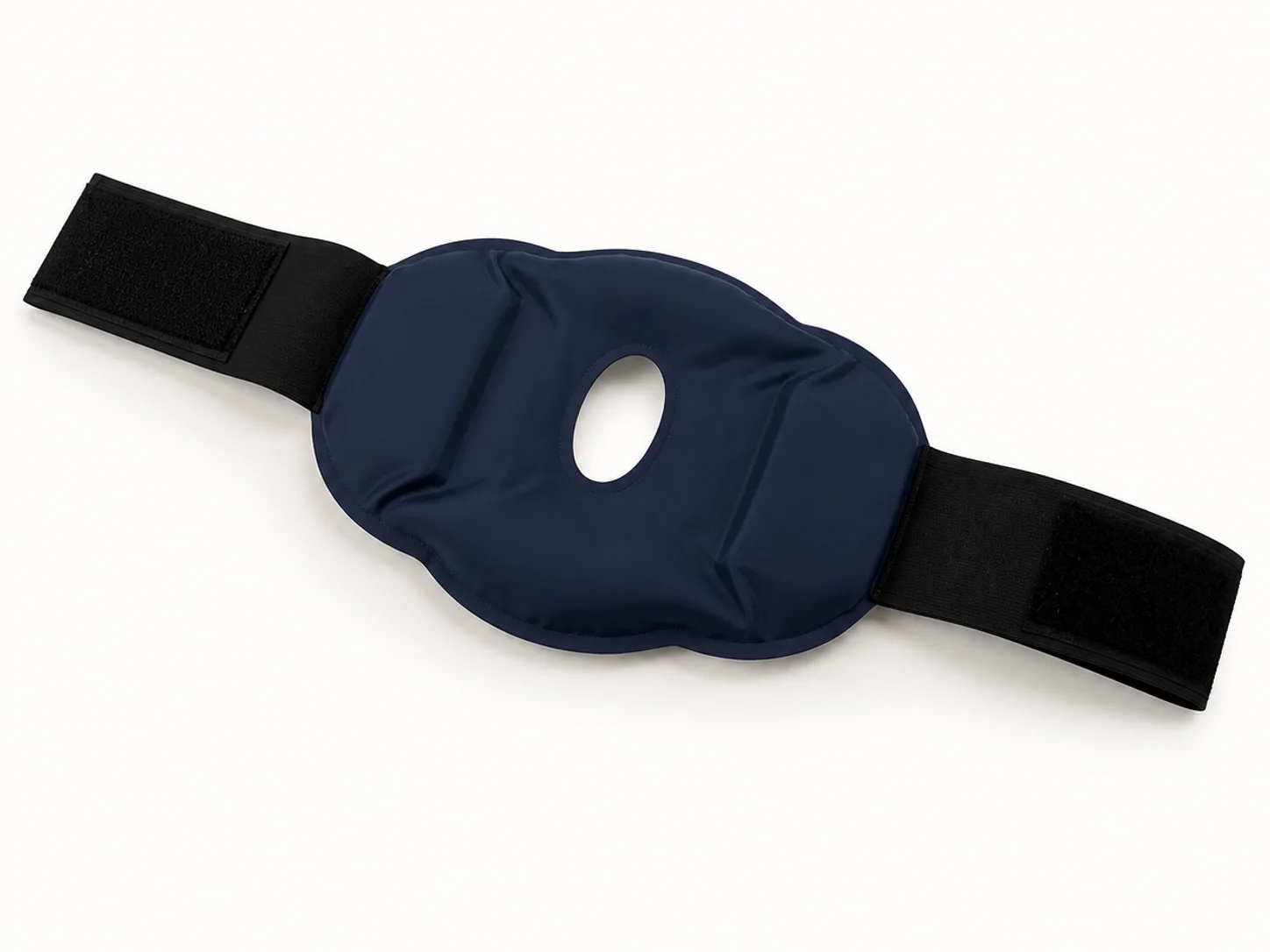
A reusable cold pack can offer short-term comfort for an appropriate sore knee. Follow its instructions, use a protective cloth layer, and check the skin. Do not sleep with it in place or assume that more intense cold is better. People with impaired sensation, circulation problems, or relevant medical conditions should ask a clinician before using temperature-based products.
Warmth may feel pleasant for ordinary stiffness when it is appropriate to your situation, but it is not a default treatment immediately after a basketball injury. Avoid heat on a newly injured, swollen, red, or unusually warm knee. The heat versus ice guide explains that distinction without treating either tool as a repair method.
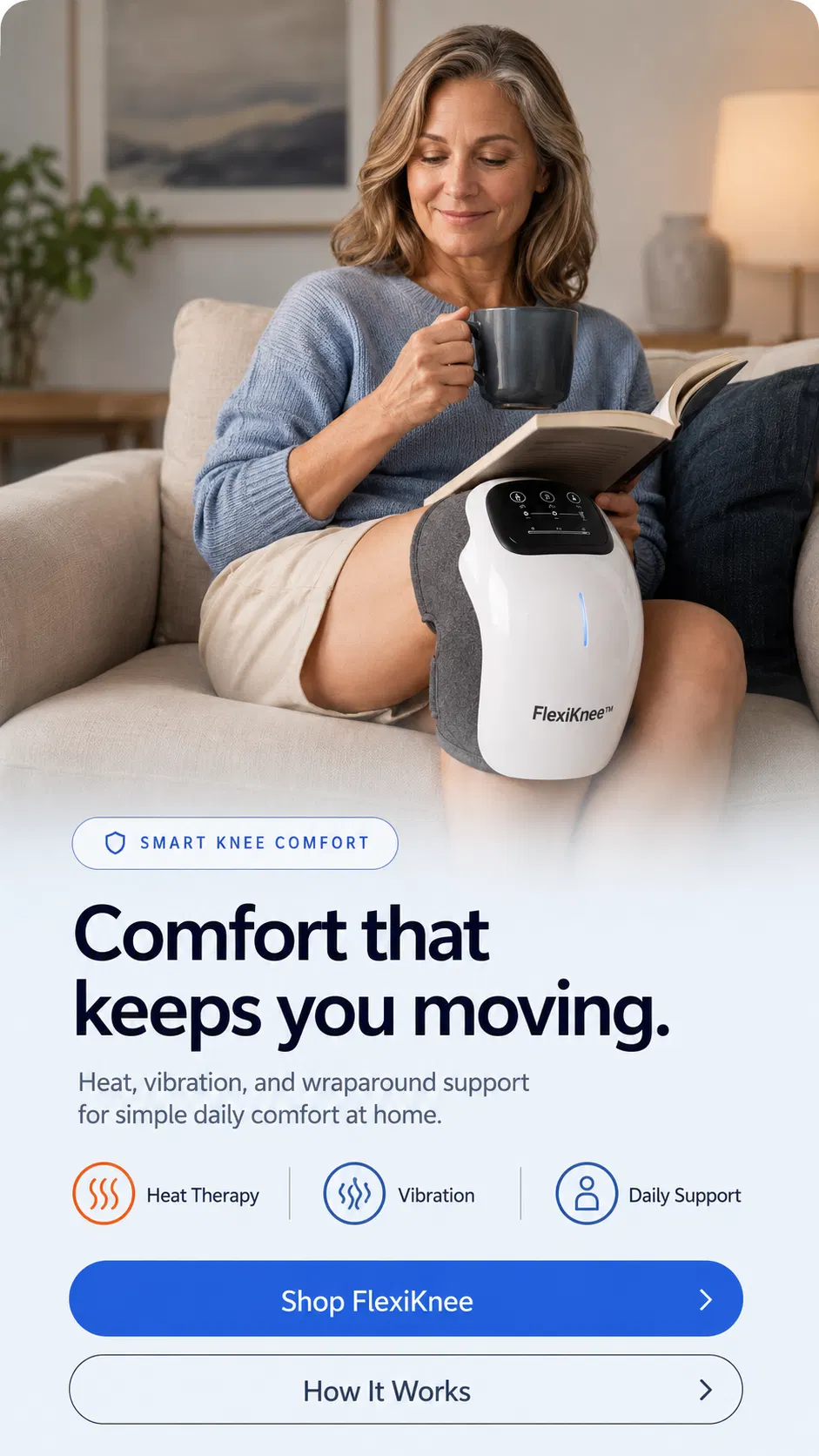
A sleeve, strap, or massager does not undo an excessive court session. Nor does temporary comfort show that jumping and cutting are safe again. Use a product, if suitable, as an optional addition to a broader plan. It should never replace assessment of warning signs, a sensible change in playing load, or an individualized rehabilitation program.
Check shoes and the court without blaming everything on footwear
Inspect the outsole, laces, and heel fit before the next session. Shoes that slide inside, roll unpredictably during a gentle side step, or have badly worn tread deserve attention. A dusty or wet patch can also alter traction. Report unsafe court conditions rather than assuming that a new shoe will compensate for them.
More cushioning is not automatically a solution to knee pain. A shoe also has to hold the foot during sideways movement and feel manageable when braking. If you change footwear, keep the initial court exposure modest so you can judge the change. Our basketball shoe guide focuses on this balance rather than naming a universal best model.
Avoid changing shoes, adding an insole, tightening a sleeve, and doubling warm-up exercises all at once. If comfort changes, you will not know which adjustment mattered. Make one sensible change, document it, and review its effect on the activity that was actually difficult. Persistent symptoms still need a clinical explanation even if one shoe feels better than another.
A simple post-game record that helps you make decisions
You do not need a complicated tracking app. Note the date, the type of session, approximate active playing time, and whether it included repeated high jumps or hard cuts. Then record the location of symptoms, any swelling, and one ordinary task such as walking upstairs. Use the same task next time so comparisons mean something.
| When | What to note | Why it helps |
|---|---|---|
| Before play | Baseline comfort, swelling, and daily function | Separates a pre-existing problem from a new response. |
| During play | First provoking movement and any change in technique | Identifies a task to modify. |
| Later that evening | Walking, stiffness, and visible swelling | Captures symptoms that were less obvious on court. |
| Next morning | The same daily task and the overall trend | Informs whether to repeat, reduce, or seek advice. |
Bring the record to an appointment if symptoms continue. It gives the clinician a more concrete story than saying basketball always hurts. Include previous knee injuries and any recent changes in work, travel, sleep, or training. Those details can influence your capacity to manage the same court routine even when you have not deliberately changed your game.
Returning to a game is different from feeling better at home
Comfortable walking is encouraging, but basketball adds braking, turning, repeated landings, reaction to opponents, and fatigue. A knee can tolerate one level without being ready for the next. Return should reflect the condition being treated and your playing goal, especially after a diagnosed injury or a procedure.
Our basketball return-to-court guide separates controlled participation from full sport and from previous performance. It does not offer a fixed return date. Work with your clinician or therapist when an injury requires rehabilitation, and agree with the coach how modified practice will actually be enforced.
Two examples of how the same search can lead to different plans
Consider a player whose knees ache the morning after joining a second weekly pickup run. There was no single incident, ordinary walking remains comfortable, and the additional session included repeated rebounds. Useful next steps include recording the change, reducing the provoking exposure and arranging assessment if the pattern persists. It would be premature to declare a cartilage problem or assume that a new pair of shoes is the entire answer.
Now consider a player who lands awkwardly, feels sudden pain and notices swelling before leaving the gym. That is not the same situation with a stronger pain score. The incident and change in function shift the priority toward prompt injury assessment. Copying the first player's lighter training week would miss the reason the second player needs a different decision.
These are illustrative situations, not diagnoses or treatment plans. Their value is showing why your history matters more than the broad phrase knee pain after basketball. Bring the details that distinguish your experience: sudden or gradual onset, one knee or both, a particular movement, swelling and the ability to continue normally. A clinician can use that information far more effectively than a list of products already tried.
For the next conversation, also explain what you hope to return to. Casual shooting with friends, a full-court league and repeated tournament games create different demands. A useful plan connects the current symptoms with that real goal. It should give you a suitable next step, a way to review the response and clear reasons to seek further help, rather than simply telling you to rest until it feels better and then repeat the same game.
Build a repeatable basketball routine
A repeatable routine is easier to evaluate than alternating long breaks with exhausting games. Plan a basketball-specific warm-up, allow room for breaks, and account for strength work between court sessions. If you are returning after years away, judge your current capacity rather than the schedule you managed in college.
The goal is not to become afraid of every ache. It is to notice meaningful changes early, respond proportionately, and keep the sport enjoyable. Warning signs call for assessment. A tolerable routine calls for consistency. Recurrent symptoms call for a clearer plan, not an endless cycle of playing hard and trying a different recovery product afterward.
Frequently Asked Questions
Why do my knees hurt after basketball but not during the game?
Symptoms can become more noticeable after repeated loading or when you cool down. Feeling comfortable during play does not prove that the session was tolerated. Compare later symptoms, swelling and next-morning function, and seek assessment if the pattern persists.
Is knee pain the next day just normal soreness?
Muscle soreness can follow unfamiliar activity, but pain around a joint, swelling, locking or a changed walking pattern should not automatically be called normal soreness. Location, severity and the effect on daily activity matter.
Should I use heat or ice after basketball?
Cold may provide short-term comfort for an appropriate sore knee, with a cloth barrier and skin checks. Do not apply heat to a newly injured, swollen, unusually warm or red knee. Neither option establishes a diagnosis or readiness to play.
Can I keep playing if a sleeve makes my knee feel better?
A sleeve can change comfort but does not confirm that the knee is safe for sport. Pain, swelling, instability or a limp should guide a reduction in activity and, where appropriate, clinical assessment.
Are outdoor basketball courts worse for knees?
Surface condition, footwear, traction and actual playing load all matter. A harder-feeling surface may change comfort, but court type alone cannot explain an individual knee problem or predict injury.
When should I get knee pain after basketball checked?
Get prompt help after a significant injury, for inability to bear weight or straighten the knee, marked swelling, locking or giving way. A hot red joint with fever also needs urgent assessment. Recurrent symptoms or pain limiting normal activities warrant a clinician visit.