A padel session can be deceptive. The court is compact and rallies include pauses, so a watch may show less distance than a run or a football match. Distance alone misses the important part. A player may brake, plant, turn, and accelerate again dozens of times within a small area. The knee must help control the body each time the ball comes off the glass at a different angle.
This guide is for the common search behind phrases such as "knee pain after padel" and "knees hurt playing padel." It explains patterns without diagnosing them from a screen. If a fall, collision, or forceful twist caused the pain, use the warning-sign section rather than treating the problem as ordinary post-match soreness.
Why Padel Places a Distinct Demand on the Knee

Padel research describes a high-intensity intermittent sport in which players frequently change position and respond to rebounds from walls. A recent biomechanics review highlights rapid changes of direction, abrupt braking, combined knee flexion and rotation, and eccentric loading during landing. These movements do not prove that an injury will occur. They explain why the sport requires a different type of preparation from steady walking or straight-line jogging.
Braking before the net
Moving forward is only half the task. You also have to reduce speed before entering a poor position or colliding with the net. The quadriceps help control that deceleration while the hip and ankle share the work. A hurried final step can place more demand on one knee, especially when the trunk remains behind the planted foot.
Turning after a rebound
The glass changes the path and timing of the ball. Players often turn from a defensive position, reorganize their feet, and push toward a new direction. A controlled turn uses several small steps. A late reaction may become one large plant with the foot fixed while the body continues to rotate. This does not automatically tear a ligament or meniscus, but a distinct twist followed by swelling or instability is not a routine overload pattern.
Low lunges and deep reaches
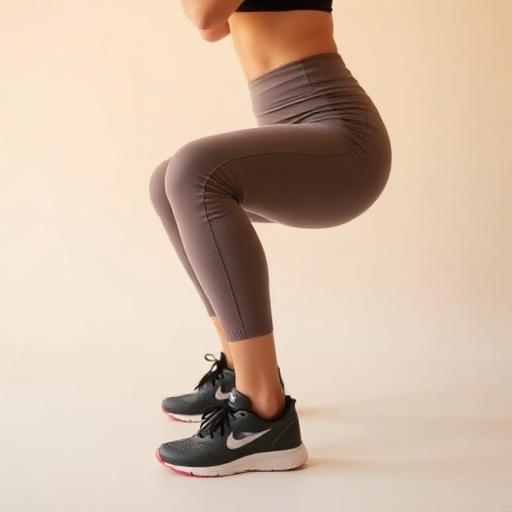
A low ball can ask for considerable knee bend even when the rally is slow. Front-leg load rises as the player reaches forward, then the same leg must push the body back toward a ready position. If symptoms also appear during squats, compare the movement with our guide to knee pain at different squat depths.
Jumping, landing, and repeated overhead play
Not every player jumps for a smash, but repeated takeoffs and landings add another demand to the knee extensor system and patellar tendon. The padel-specific literature describes the tendon and quadriceps as important during braking and landing. A tendon that is comfortable during normal walking may still react to a sudden block of jump shots or more aggressive match play.
Use Location and Timing Before Guessing the Cause
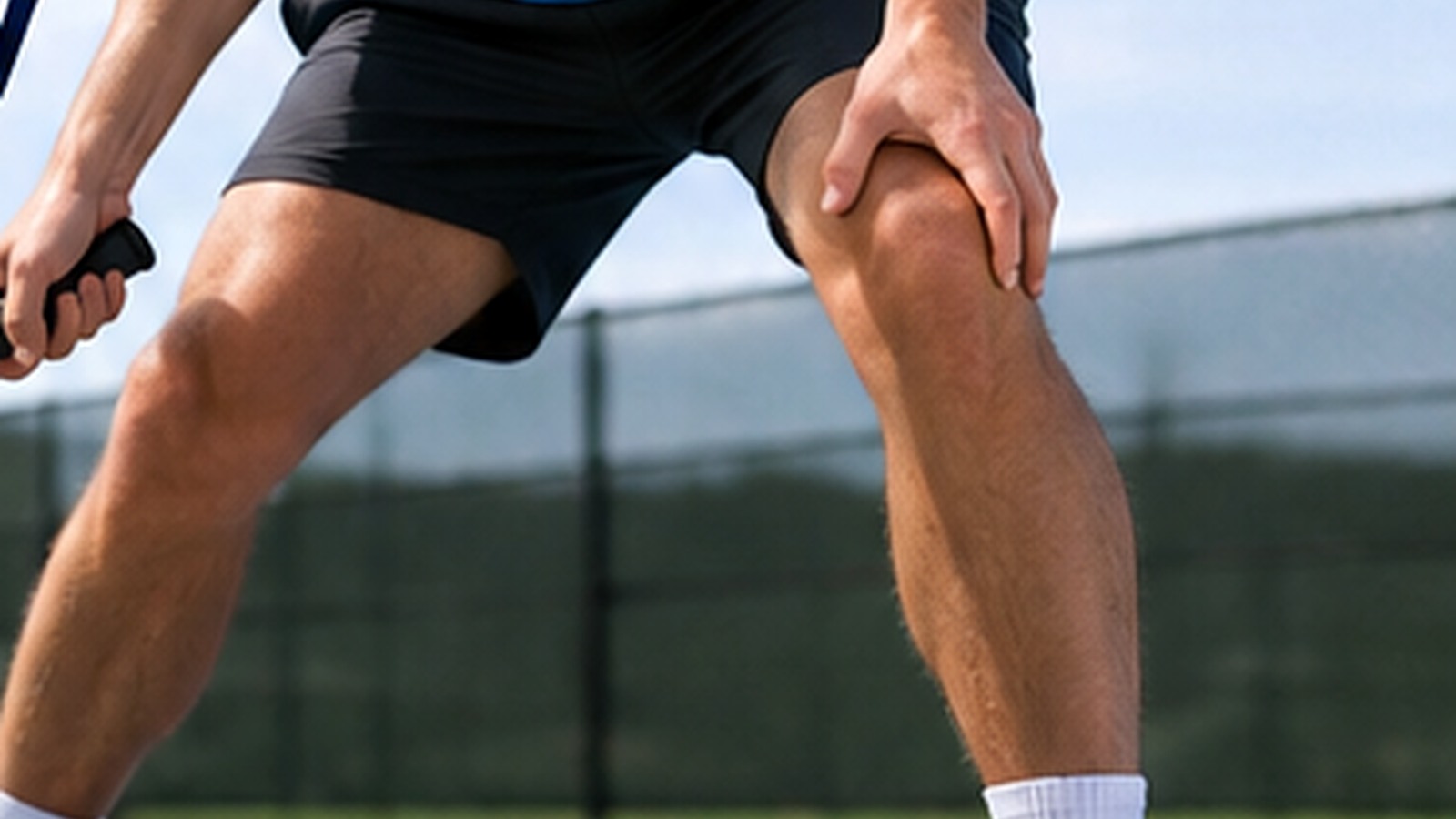
Knee pain location is a clue, not a diagnosis. Two players can point to the same spot and have different reasons for pain. The most useful first notes are where it hurts, which exact movement starts it, whether it appears during play or later, and whether swelling, locking, or instability is present. Our visual knee pain location guide can help when the area is difficult to describe.
| Where it is felt | Padel trigger that may expose it | Clues to record | Reason to stop and seek advice |
|---|---|---|---|
| Around or behind the kneecap | Braking, repeated lunges, squatting for low balls | Ache on stairs or after sitting, recent rise in court time | Meaningful swelling, loss of motion, or rapidly worsening pain |
| Directly below the kneecap | Jump takeoff, landing, rapid stop, forceful push-off | Focal load-related tenderness at the patellar tendon | A pop, sudden weakness, or inability to straighten the knee |
| Inner knee or joint line | Pivot on a planted foot, wide reach, awkward recovery step | One clear twist, joint-line tenderness, catching | Locking, giving way, or swelling that builds after the event |
| Outer side of the knee | Repeated lateral movement, crossover recovery, long session | Sharp or burning lateral pain at a repeatable point | Traumatic pain, instability, or inability to bear weight normally |
| Back of the knee | Deep flexion, sudden reach, repeated push-off | Tightness versus a distinct lump, fullness, or calf symptoms | Marked swelling, calf swelling, redness, or breathing symptoms |
Front knee pain after padel
A dull ache around or behind the kneecap can resemble a patellofemoral pain pattern, particularly when stairs, squats, or standing after sitting also hurt. The American Academy of Orthopaedic Surgeons notes that patellofemoral symptoms can relate to repeated knee bending and changes in activity, surface, or equipment. That does not mean every front-knee ache has the same cause. Read pain behind the kneecap for a fuller comparison.
Pain focused at the lower edge of the kneecap or along the tendon may behave more like a patellar tendon problem. Padel-specific research describes anterior pain at the inferior pole of the patella in players with patellar tendinopathy. The pattern is usually related to load, particularly jumping, slowing down, and changing direction. It still requires a clinical diagnosis because imaging changes can exist without matching pain.
Inner or outer knee pain during a turn
Side pain deserves a clear history. Gradual outer discomfort late in long sessions is different from sharp inner joint-line pain after one planted pivot. Use our inner versus outer knee pain guide to map the location, but do not use a location chart to clear a traumatic injury. Meniscus tears and ligament injuries can follow cutting or pivoting and may include swelling, catching, locking, or giving way.
Why the Pain May Start Now
It is tempting to search for one faulty muscle, one shoe, or one technique error. In practice, padel knee pain often appears when several manageable factors overlap. The question is not only what you did today. It is what changed compared with the last few weeks.
- New-player enthusiasm: two-hour social sessions may begin before the legs have adapted to repeated court movement.
- More playing days: adding a league, lesson, or open-play night reduces recovery between similar loads.
- Consecutive matches: tournament or club formats can multiply braking and lunging while fatigue changes movement.
- A jump in intensity: stronger opponents, singles play, or more aggressive net attacks can change demand without changing session length.
- A different surface or footwear: a new amount of grip or a less predictable slide can alter how a turn feels.
- Reduced capacity: time away from sport, a recent illness, or a previous lower-limb injury may leave normal padel load temporarily harder to tolerate.
Padel injury research is still limited and heterogeneous. A systematic review found that the knee was among the more commonly reported injury locations, but the available studies used different injury definitions and populations. Another review found conflicting results around footwear and injury risk. This is why the article should not promise that a particular shoe, brace, or warm-up makes a player injury-proof.
Should You Stop During the Match?
Stop the session when pain changes the way you move. Limping, avoiding one direction, shortening the stance on one leg, or being unable to decelerate normally means the knee is already changing the game. Continuing may make it harder to judge the original problem and can shift load to the other leg.
Also stop after a pop, forceful twist, rapid swelling, repeated giving way, true locking, or inability to bear weight. A locked knee is not ordinary stiffness. It means the joint cannot move through its expected range and needs assessment. Severe pain after a fall or direct collision should be treated as an injury until evaluated.
Mild discomfort that remains stable, does not alter movement, and is not accompanied by swelling is less urgent. Even then, the sensible choice may be cooperative drills rather than another competitive set. Check the response after the body cools down and again the next morning. The guide to knee pain after exercise but not during explains why delayed symptoms belong in the workload decision.
A Practical First Response for Mild Padel Knee Pain
Begin by removing the clearest aggravator, not every form of movement. If low lunges hurt, pause repeated low-ball drills. If jump smashes trigger focal tendon pain, keep the feet on the court while the pattern settles. If symptoms appear only after a third match, shorten the session before abandoning the sport for weeks.
Comfortable walking, easy cycling, or another low-impact activity may preserve conditioning when they do not increase symptoms. Cold can be used briefly for a newly swollen or unusually warm knee, while warmth may feel better for stiffness without swelling. Neither changes the diagnosis or makes it safe to play through warning signs. Our ice versus heat guide separates those situations.
Avoid repeatedly testing the painful movement throughout the day. A clearer approach is to record the response during activity, later that evening, and the following morning. Recurring swelling after court sessions deserves attention even when pain is modest. See knee swelling after exercise for the differences between mild puffiness and more concerning signs.
Build Capacity Before You Test a Full Match
Exercise is commonly recommended for patellofemoral pain and patellar tendinopathy after the diagnosis is established, but the program should match the person and the structure involved. The aim is progressive capacity, not punishment. A knee that cannot yet manage a controlled step-down is unlikely to enjoy an unpredictable low lunge followed by a rapid recovery.
Foundational strength and control
Useful movement categories include a sit-to-stand or squat within a comfortable depth, a supported split squat, a controlled step-down, a calf raise, a hip-hinge pattern, and single-leg balance near a stable support. Start with a version that does not create sharp, escalating, or lingering pain. Progress range, resistance, or repetitions separately.
The quadriceps help control braking, while the hip, calf, and foot help organize the leg above and below the knee. That does not mean weakness can be identified by looking at one repetition. A clinician can compare sides, watch movement under fatigue, and decide whether the limitation is strength, confidence, mobility, pain, or a combination.
Prepare for side-to-side movement
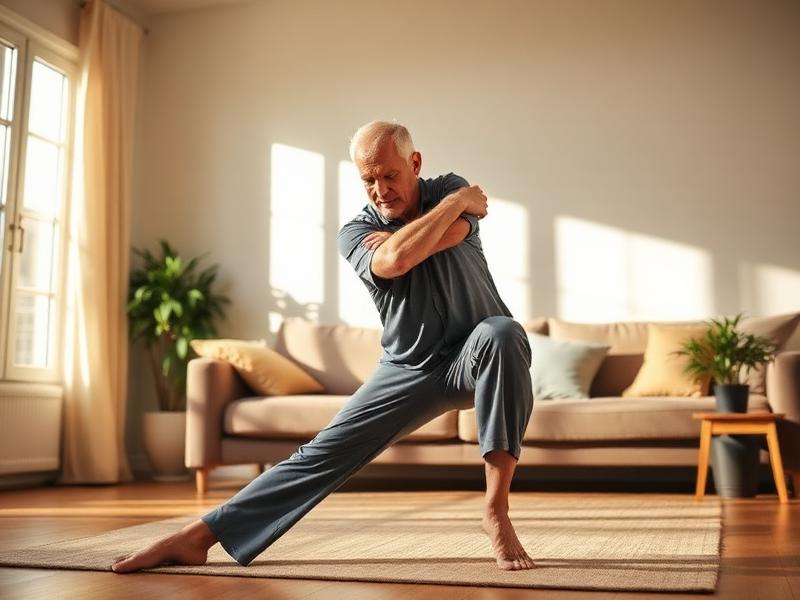
When basic movements are comfortable, add controlled lateral steps, a shallow side lunge, and a slow split-step. The goal is quiet, balanced foot placement with the trunk moving over the base of support. Speed belongs later. A player should be able to control a planned direction before reacting to a ball.
Prepare to slow down
Deceleration practice can start with two or three easy forward steps followed by a balanced stop. Progress to a diagonal approach, then a predictable turn. Keep the space clear and use a coach or therapist when a prior ligament injury, instability, or fear changes movement. General knee strengthening principles can support this phase, but court movement still needs its own progression.
A Criteria-Based Return to Padel

A calendar alone cannot tell you whether the knee is ready. The underlying issue, symptom severity, previous injury, and ordinary demands all change the timeline. Use the stages below as a decision ladder. If a stage causes swelling, a limp, or a clear next-morning flare, return to the last manageable level and seek help if the pattern persists.
Stage 1: Daily movement is comfortable
Walking is normal, ordinary stairs are manageable, the knee moves close to its usual range, and there is no meaningful swelling. A person recovering from a diagnosed injury may have different clinical criteria, so these checks do not replace medical clearance.
Stage 2: Planned court movements are controlled
Test an easy warm-up, split steps, short lateral shuffles, shallow lunges, and gentle forward stops without a ball. Both directions should feel organized. The aim is not a maximal agility test. It is to see whether simple court shapes can be repeated without compensation.
Stage 3: Add the ball without match pressure
Use cooperative volleys, predictable feeds, and short rallies. Stay away from desperate retrievals and jump smashes at first. A shorter session with longer breaks makes the response easier to interpret. The following morning should be no worse than the established baseline.
Stage 4: Reduced game, then normal play
Begin with a limited number of games or a fixed time cap. Doubles may reduce court coverage for some players, although match intensity still matters. Do not increase duration, intensity, consecutive days, and tournament pressure at the same time. One controlled change gives you useful feedback.
What Should a Padel Warm-Up Include?
A useful warm-up prepares the exact movement vocabulary of the sport. Begin with several minutes of easy whole-body movement, then use ankle and hip motion, comfortable knee bends, calf raises, lateral steps, and controlled split-step practice. Finish with easy court drills before hard points.
A practical padel warm-up can combine progressive movement, balance, controlled landing, and short agility drills. This is preparation, not a guarantee of injury prevention, and consistency matters more than performing one elaborate routine before a tournament.
Warm-up should not be used to numb or hide an injury. If symptoms worsen as movement becomes more specific, treat that as information. Return to a lower level rather than forcing the body through the full routine.
Do Court Surface, Shoes, or a Brace Fix the Problem?
Surface and equipment can influence how movement feels, but they are rarely the whole explanation. Check that the shoe fits securely, the sole is not badly worn, and traction feels predictable during lateral movement. A running shoe designed mainly for forward motion may feel unstable to some players on court. Conversely, excessive grip can make a pivot feel abrupt. Padel research has not established one shoe as the universal injury-prevention choice.
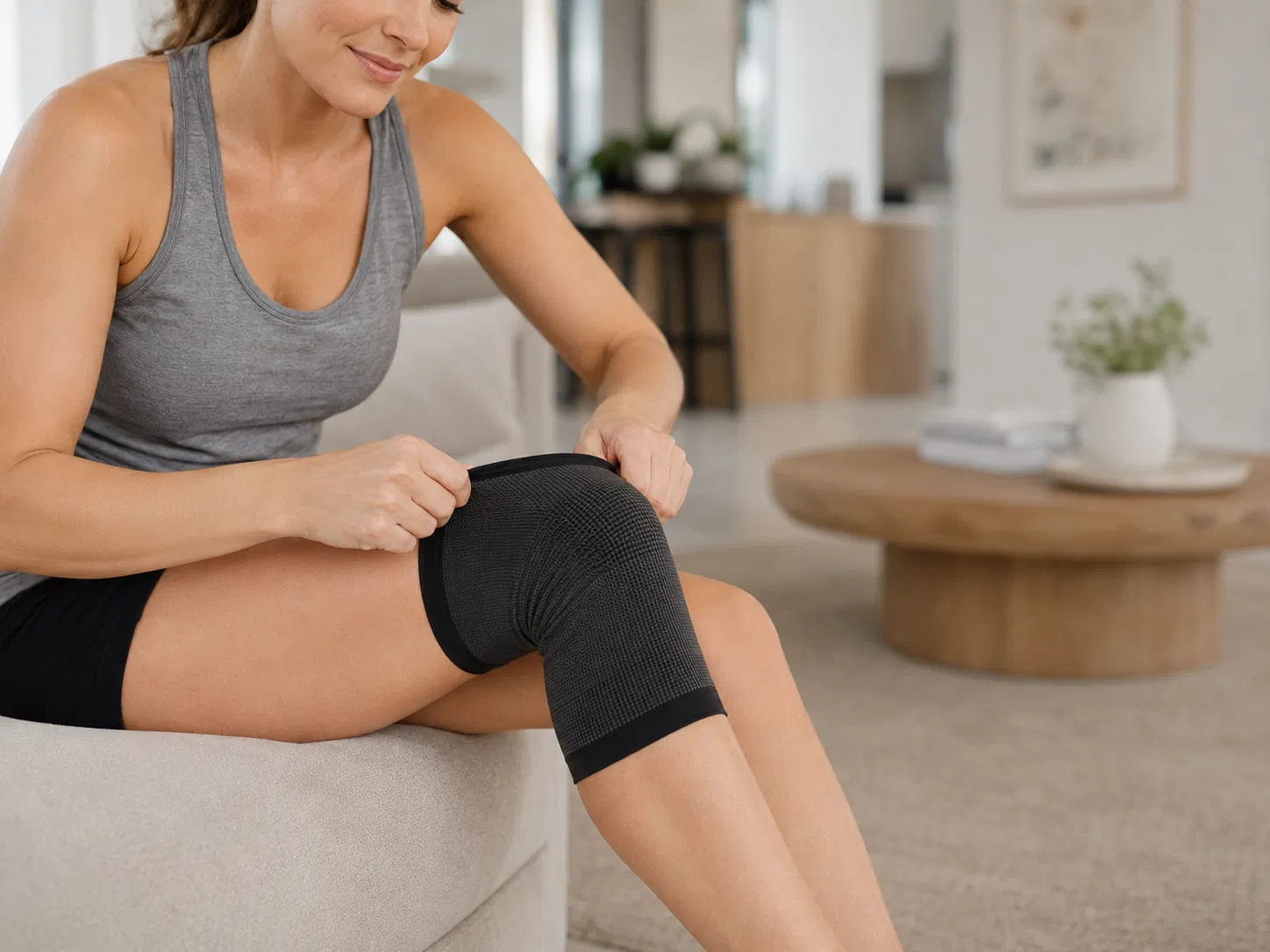
A sleeve or brace may provide warmth, compression, or confidence, but it does not restore strength, diagnose pain, or make an unstable knee safe. Use a device as one part of a plan, not permission to ignore swelling or altered movement. If a brace causes numbness, color change, more pain, or restriction, remove it and reassess.
When to Get Medical Help
Arrange an assessment when padel knee pain keeps returning, limits normal walking or stairs, produces repeated swelling, or does not improve after a sensible reduction in the provoking load. Seek prompt care for a pop with rapid swelling, inability to bear weight, a visibly deformed or physically locked knee, repeated giving way, or inability to straighten the leg. A hot red swollen joint with fever, or calf swelling with chest pain or breathing difficulty, needs urgent medical guidance.
If you also play badminton, its net lunges, overhead jumps, and recovery steps need a separate progression. The badminton knee pain guide addresses those movement-specific demands.
The Bottom Line
Padel knee pain is best understood as a movement and workload problem until an examination shows a specific diagnosis. Braking, turning, low lunges, and landings each ask something different from the knee. Map the symptom to the movement, check what changed in recent weeks, and take swelling or instability seriously.
Mild, improving symptoms may respond to a shorter court dose, comfortable conditioning, progressive lower-limb strength, and a return that moves from planned drills to reactive games. A traumatic event, altered gait, locking, or giving way belongs on a different path. The aim is not simply to get through the next match. It is to rebuild enough capacity that the knee can handle the repeated stops and turns that make padel enjoyable.
Frequently Asked Questions
Why do my knees hurt after playing padel?
Padel combines repeated braking, short acceleration, side steps, pivots, low lunges, and occasional jump landings. A sudden increase in matches, consecutive playing days, a new surface, or more intense rallies can exceed the load your knees have recently handled. The location and behavior of the pain matter more than the sport label. Front pain, joint-line pain, swelling, and instability are different patterns and should not all receive the same response.
Is padel bad for your knees?
Padel is not automatically bad for healthy knees. It is a multidirectional sport, so it asks for more braking and turning capacity than straight-line exercise. Risk is influenced by workload, previous injury, strength, movement control, recovery, and the specific event that caused symptoms. A gradual introduction with court-specific preparation is more sensible than treating the sport itself as harmful.
Can I keep playing padel with knee pain?
Do not continue if pain changes your movement, produces a limp, follows a pop or twist, or comes with swelling, locking, or giving way. Mild discomfort that stays stable, does not alter movement, and settles by the next morning may allow a reduced session, but recurring pain still deserves a load review. When the cause is uncertain, a sports medicine or physical therapy assessment is safer than repeatedly testing it in full matches.
Do padel shoes prevent knee pain?
No shoe can guarantee protection or correct a workload problem. A secure fit and predictable traction may help you move with confidence, but research has not established one padel shoe design as a knee-injury solution. Replace badly worn soles, avoid shoes that slide unpredictably, and be cautious if a very grippy sole catches during pivots. Comfort during actual side-to-side movement matters more than marketing labels.
How should I return to padel after knee pain?
Return by function rather than by a fixed number of days. First regain comfortable walking, stairs, and ordinary knee motion without meaningful swelling. Then test controlled squats, step-downs, lateral steps, and easy lunges. Progress to predictable court drills, then short cooperative rallies, then a reduced match. Increase only one demanding variable at a time and check the knee later that day and the following morning.